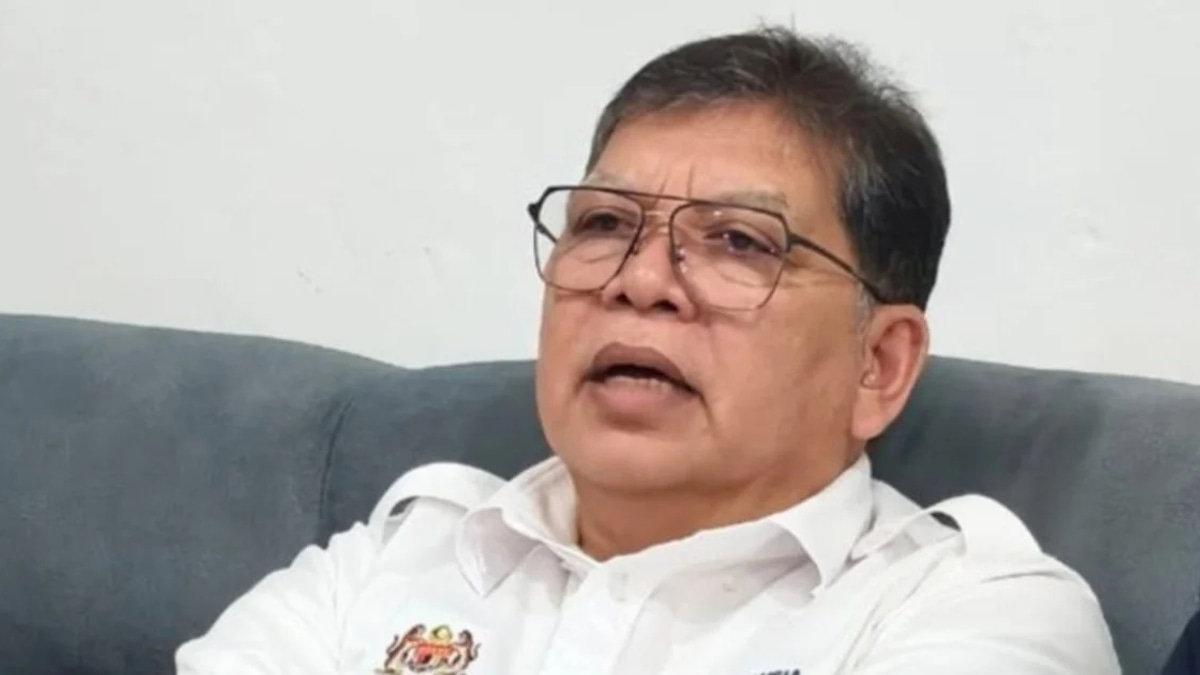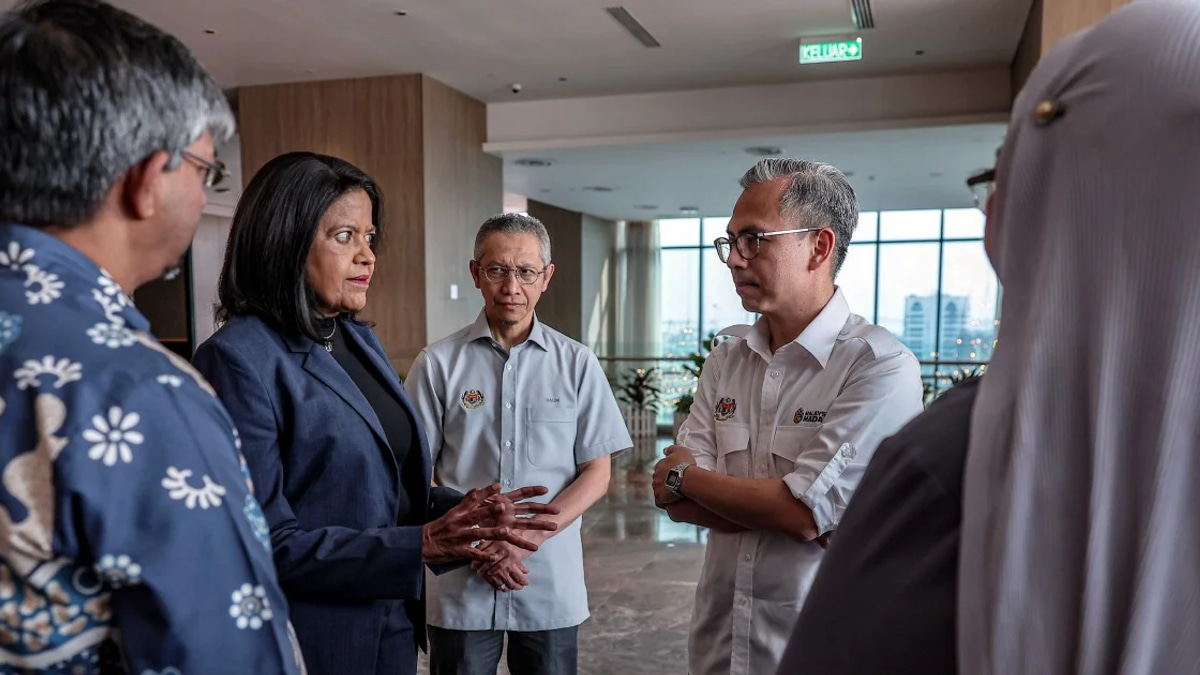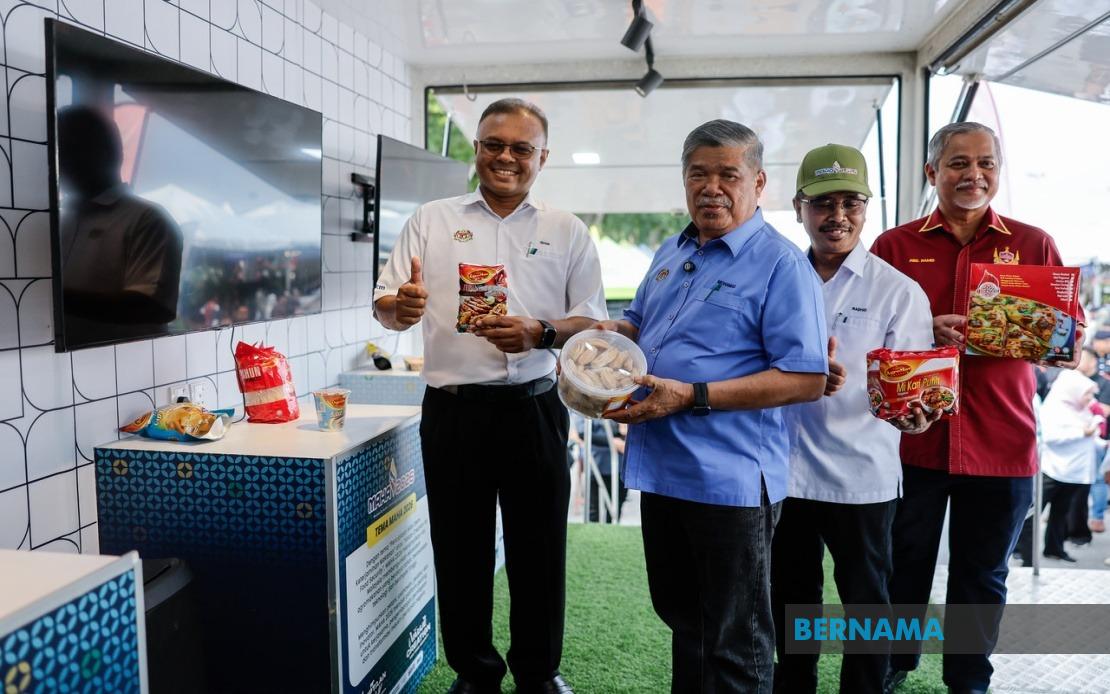
Malaysia's biennial agriculture showcase will open its doors to overseas participants for the first time, with Agriculture and Food Security Minister Datuk Seri Mohamad Sabu announcing that MAHA 2026 will feature a significant international presence aimed at enriching the experience for local agribusinesses and visitors alike. The shift represents a strategic evolution for the Malaysia Agriculture, Horticulture and Agrotourism Show, traditionally a domestic platform, into a regional trading hub that positions the country as a focal point for agricultural innovation and commerce across Asia.
Confirmed participants from the international stage include representatives from Brazil, China, the United States, Japan, South Korea, Hungary, and China's Guangxi region, with Uzbekistan signalling intent to join and several other nations still in consultation stages. Mohamad emphasised that this expansion underscores a fundamental truth in modern food systems: no nation operates in isolation when addressing its agricultural and nutritional needs. The minister framed international collaboration as essential, noting that when one country faces agricultural challenges or natural disasters, neighbouring and trading partners inevitably become involved in providing relief and support. This interconnectedness makes knowledge-sharing and commercial ties through platforms like MAHA increasingly valuable.
The decision to internationalise the show reflects broader concerns about food security in Southeast Asia and globally. With climate volatility, population growth, and supply chain disruptions becoming permanent fixtures of agricultural planning, Malaysian policymakers recognise that exposure to global best practices and technologies offers tangible benefits. By hosting foreign exhibitors, MAHA 2026 transforms from a showcase of domestic capabilities into a learning opportunity where local farmers, agribusiness entrepreneurs, and government officials can observe cutting-edge farming techniques, pest management strategies, and mechanisation approaches deployed successfully elsewhere.
According to Datuk Isham Ishak, secretary-general of the Agriculture and Food Security Ministry, the international participation creates dual advantages for Malaysian stakeholders. Domestic exhibitors and visitors will gain access to foreign agricultural products, services, and innovations that may address gaps in the local market or inspire new business models. Simultaneously, international attendees will encounter Malaysia's own agricultural offerings, potentially creating export pathways for local producers. This exposure is particularly valuable for small and medium enterprises that lack established international networks but possess competitive products or services worth scaling beyond domestic borders.
Crucially, MAHA 2026 will feature structured business-matching sessions designed to facilitate genuine commercial transactions. Rather than functioning purely as a trade exhibition where companies merely display their wares, these sessions create dedicated spaces for buyers and sellers to negotiate contracts, explore partnerships, and arrange supply agreements. For Malaysian agricultural producers seeking to export, these interactions represent direct access to international decision-makers. Conversely, foreign exhibitors gain insight into local market conditions, regulatory frameworks, and consumer preferences that inform their Southeast Asian strategies.
Simultaneously with the internationalisation drive, the government unveiled a technological tool intended to undergird agricultural stability and profitability. The Surveillance and Intervention Supply Demand Agrofood system, or SISDA, represents a significant infrastructural investment in real-time agricultural monitoring. Leveraging big data analytics and machine learning algorithms, SISDA processes vast quantities of information about production volumes, inventory levels, market demand, and price fluctuations across Malaysia's agrofood sector. The system's early warning capabilities enable policymakers to anticipate supply shortages or price volatility before they materialise, allowing preventive intervention rather than crisis management.
The deployment of SISDA addresses longstanding challenges in agricultural governance. Malaysian farmers have historically faced unpredictable price swings that threaten viability, while consumers experience periodic spikes in food costs that strain household budgets. Government agencies lack comprehensive, timely data about supply conditions, making it difficult to implement targeted support programmes effectively. By centralising information flows and automating analysis through machine learning, SISDA promises more precise interventions tailored to specific commodities, regions, and market conditions. Rather than blanket subsidies or ad hoc price controls, authorities can deploy resources where they yield maximum benefit.
The system's capacity to ensure stable food supplies carries particular resonance for Malaysia, a nation with significant food import dependence despite its agricultural heritage. Domestically produced rice, palm oil, and tropical fruits sustain export revenues, while rice imports and processed food purchases remain substantial. SISDA enables the government to balance domestic priorities—ensuring sufficient affordable staples for citizens—with commercial imperatives that drive farmer incomes and agribusiness profitability. By maintaining price stability within reasonable bounds while keeping margins viable for producers, the system supports both food security and sectoral competitiveness.
The timing of these announcements reflects evolving strategic calculations in Malaysian agriculture policy. Regional competitors, particularly Thailand and Vietnam, have invested heavily in agricultural technology and export infrastructure, capturing growing shares of Asian food markets. By positioning MAHA 2026 as an international platform and deploying sophisticated monitoring systems, Malaysia signals ambition to reclaim and expand its role in regional food commerce. This is not merely symbolic; the visibility MAHA provides, combined with the market intelligence SISDA generates, creates conditions for Malaysian agricultural enterprises to innovate and compete more effectively.
For Malaysian visitors and participants, the 2026 edition of MAHA promises material benefits. Farmers can access seeds, equipment, and expertise from international suppliers, potentially improving productivity and sustainability. Agribusiness entrepreneurs can identify partnership opportunities with foreign firms or develop import-distribution channels for overseas agricultural products. Consumers and media observers gain insight into global food trends and emerging commodities that may soon reach Malaysian markets. The educational dimension extends beyond commercial transactions to encompassing technological literacy about precision agriculture, soil management, and climate-adaptive farming practices increasingly essential as climate patterns shift.
The government's promotional campaign, including the Central Zone Road to MAHA 2026 programme, reflects determination to build anticipation and participation. By staging preparatory events across different regions, authorities ensure that rural and semi-urban agricultural communities—often distant from policy announcements—become aware of the show's expanded scope and relevance to their interests. This grassroots engagement strategy acknowledges that successful agricultural transformation requires buy-in from producers and communities, not merely proclamations from Putrajaya. When farmers understand that MAHA offers genuine commercial opportunities and practical knowledge, attendance and engagement increase substantially.
The convergence of MAHA's internationalisation and SISDA's deployment suggests a coherent vision: Malaysia's agricultural sector, supported by intelligent data systems and connected to global supply chains through strategic trade platforms, can deliver both prosperity for producers and food security for consumers. Whether these ambitious tools deliver on their promise depends on implementation quality, stakeholder engagement, and the willingness of Malaysian agribusinesses to adapt and innovate. The 2026 show will offer early indicators of whether this strategic direction successfully positions Malaysian agriculture for competitiveness in an increasingly interconnected and volatile global food system.