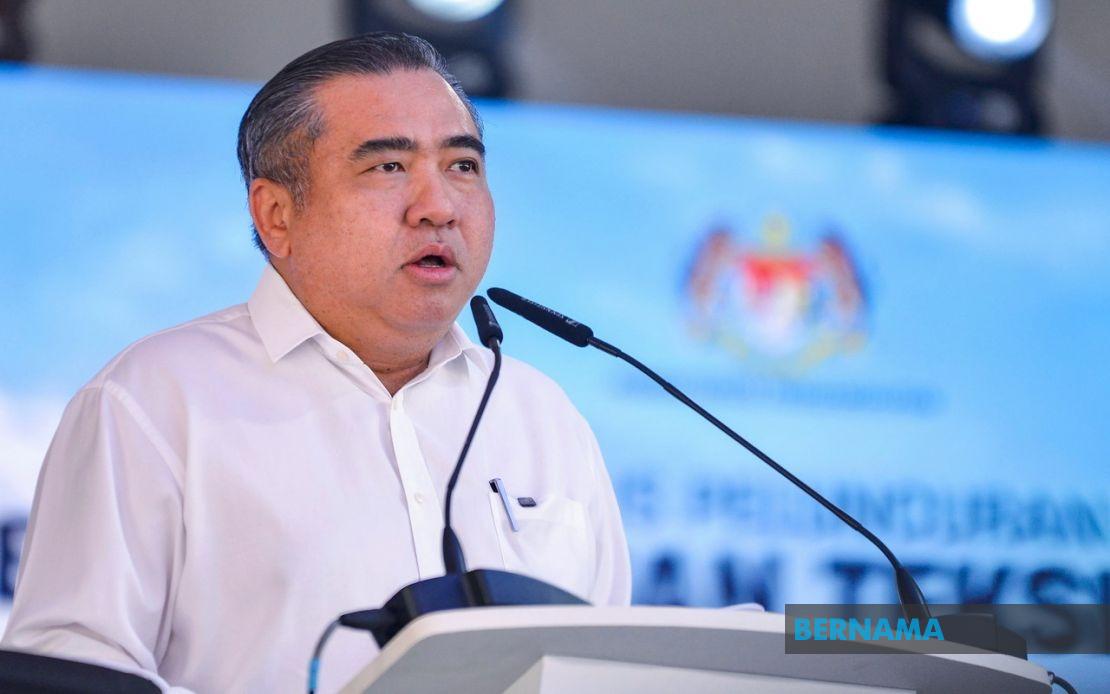
Transport Minister Anthony Loke unveiled a transformative shift in Malaysia's taxi industry on Wednesday, announcing that participants in the National MADANI Taxi Reform Programme will transition from the conventional leasing arrangement to direct vehicle ownership. The initiative, officially launched by Prime Minister Datuk Seri Anwar Ibrahim at Dataran Merdeka in Kuala Lumpur, represents a significant departure from decades-old industry practice and aims to improve financial security and earning potential for drivers across the nation.
The cornerstone of this reform centres on a pivotal distinction between previous schemes and the new model: drivers will become the legal proprietors of their vehicles, even when financing through institutional channels. Minister Loke emphasised that this ownership structure fundamentally differs from traditional leasing frameworks where operators retained nominal control. The Ministry of Finance provided special approval to enable this arrangement, reflecting government commitment to empowering individual taxi operators within a modernised regulatory framework.
This shift carries substantial implications for Malaysian taxi drivers facing persistent economic pressures. Under leasing models, operators bore the financial burden of rising maintenance costs, fuel expenses, and regulatory fees while ownership advantages accrued to fleet operators. By transferring ownership to individual drivers, the reform addresses long-standing grievances regarding cash flow constraints and limited asset accumulation within the sector. Drivers can now build equity through vehicle ownership, creating a tangible long-term financial asset rather than servicing perpetual rental obligations.
The programme's vehicle selection reflects contemporary industry expectations. The Proton S70 sedan replaces older taxi models, incorporating advanced safety systems that align with international standards, improved passenger comfort specifications, and enhanced fuel efficiency that reduces operational costs. This modernisation extends beyond mechanical specifications to aesthetic presentation. The new taxis will abandon the traditional roof-mounted taxi topper, adopting a contemporary appearance that reflects Malaysia's positioning as a developing economy with modern urban infrastructure. Special registration series beginning with "GET" provide visual differentiation and administrative tracking of programme participants.
Minister Loke outlined supplementary revenue mechanisms designed to offset the financial demands of vehicle ownership. In collaboration with private sector partners, the ministry will introduce digital advertising screens within taxi cabins, creating passive income opportunities for operators. This strategy recognises that modern taxi economics increasingly depend on diversified revenue streams beyond passenger fares alone. The advertising sector expansion reflects broader monetisation trends in urban mobility services throughout Southeast Asia, where advertising integration has become standard in transportation networks.
Digital integration constitutes another critical dimension of the reform agenda. The programme incorporates connectivity with e-hailing platforms and modern booking systems, enabling drivers to access customer demand through multiple digital channels simultaneously. This integration addresses a fundamental competitive challenge faced by traditional taxis against ride-hailing services, which captured substantial market share through superior digital accessibility. By embedding traditional taxi operations within digital ecosystems, the MADANI initiative attempts to restore competitive parity while maintaining regulatory oversight and driver protections that distinguish traditional taxis from unregulated ride-sharing models.
The reform programme reflects broader government objectives articulated through the MADANI framework, which emphasises inclusive economic development and improved quality of life for lower-income workers. Taxi driving remains an accessible income source for individuals without tertiary qualifications, making sector improvements a visible social policy achievement. By enhancing financial sustainability and modernising operational frameworks, the government addresses employment concerns while signalling commitment to informal and semi-formal economy participants who constitute significant voting blocs in urban electoral contests.
Regional implications extend beyond Malaysia's borders. Southeast Asian economies from Thailand to Indonesia face comparable taxi industry challenges, including competition from ride-hailing platforms and deteriorating driver profitability. Malaysia's comprehensive reform model—combining vehicle ownership restructuring, technological integration, and supplementary revenue mechanisms—may influence policy discussions across the region. Countries seeking to preserve traditional taxi sectors while adapting to digital transportation trends will likely scrutinise the MADANI programme's effectiveness and outcomes.
The reform's success hinges on several implementation variables requiring sustained government attention. Financing accessibility through participating financial institutions must remain affordable to prospective drivers; excessive loan requirements or interest rates could limit programme uptake. Insurance costs for new vehicles may exceed those for older fleet vehicles, potentially offsetting ownership advantages. Market demand for digital taxi services in Malaysian urban centres requires validation; if digital integration fails to generate substantial revenue, supplementary income projections prove unrealistic. Government commitment to enforcing regulatory frameworks—preventing unlicensed operators from undercutting reformed sector participants—remains essential for programme viability.
The programme's official launch included attendance from Minister in the Prime Minister's Department Hannah Yeoh and Kuala Lumpur Mayor Datuk Seri Fadlun Mak Ujud, signalling whole-of-government coordination across transport, urban development, and federal territories portfolios. This institutional alignment suggests serious implementation intent beyond symbolic policy announcements. Subsequent rollout phases will reveal whether regulatory structures adequately support driver transition to ownership models and whether digital revenue streams materialise as projected.
For Malaysian taxi drivers, particularly those operating in major urban centres where programme implementation will commence, the MADANI initiative represents both opportunity and uncertainty. Vehicle ownership offers genuine wealth-building potential and operational autonomy previously unavailable under leasing arrangements. However, drivers assume financial risks traditionally borne by fleet operators, including vehicle depreciation, maintenance costs beyond warranted components, and demand volatility in increasingly competitive mobility markets. The reform's ultimate impact on driver incomes and sector sustainability will become apparent only through extended operational experience across diverse urban and regional markets throughout Malaysia's taxi service network.

