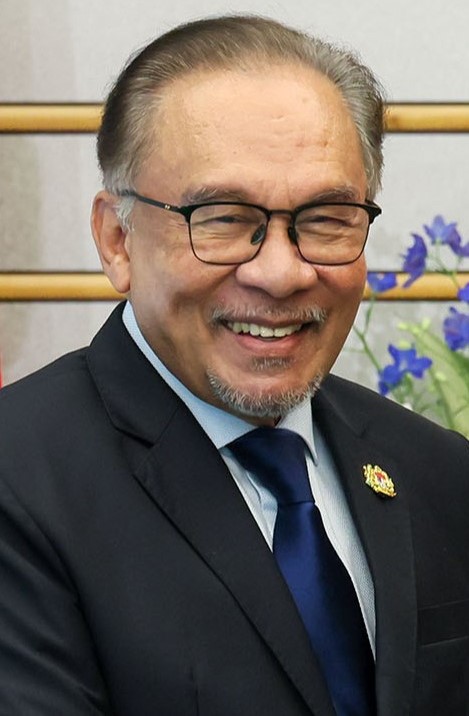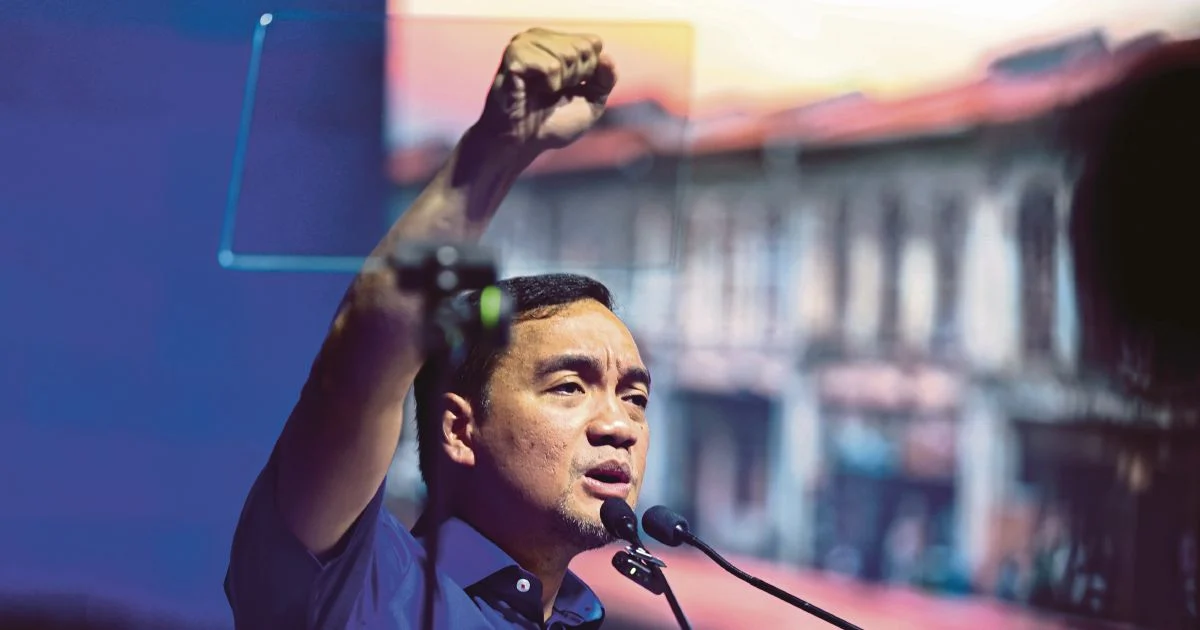
The Machap constituency is set for another contest involving Caretaker Menteri Besar Datuk Onn Hafiz Ghazi, who has announced his intention to retain the seat he currently holds. This development marks a significant moment in Johor politics, as the state prepares for electoral renewal under the caretaker administration framework that has temporarily placed state governance in holding status.
Onn Hafiz's decision to defend his position from the Machap seat reflects confidence in his political standing within his constituency and his broader appeal to voters in the southern state. The Machap seat, which encompasses parts of the Kluang district, has been a notable battleground in recent electoral cycles, and retaining it is strategically important for any political leader eyeing the top administrative role in Johor. The menteri besar's commitment to contesting this particular seat underscores the significance of local constituency support as a foundation for state-level political leadership.
The timing of this announcement comes as Johor navigates the political landscape following the dissolution of the state assembly, which triggers fresh electoral proceedings. During this caretaker period, Onn Hafiz operates in a temporary capacity, maintaining administrative functions while awaiting the outcome of democratic processes. This interim status has become increasingly familiar in Malaysian politics, reflecting how state-level electoral cycles align with the constitutional framework governing transitions in executive authority.
For Onn Hafiz personally, defending Machap carries both symbolic and practical weight. Parliamentary constituencies and state assembly seats are the foundation upon which leadership credentials rest in Malaysia's system, and a strong performance in one's home constituency often translates to enhanced legitimacy within party structures and among fellow elected representatives. A successful defence would vindicate his political strategy and reinforce his standing as a figure capable of holding voter confidence across multiple electoral cycles.
The Machap constituency itself represents a mix of urban and semi-rural demographics typical of much of Johor's landscape. Voters in this area have demonstrated varying degrees of responsiveness to both BN-aligned candidates and opposition challengers in previous contests, making the seat genuinely competitive. Understanding local issues—agricultural policy, rural development, and the concerns of semi-urban communities—will likely shape campaign messaging from all contenders in this space.
From a broader state political perspective, elections in Johor retain particular significance within Malaysia's federal structure. As the second-largest state by population and economy, Johor's electoral outcomes influence not only state governance but also carry resonance for national coalition dynamics. The caretaker government system, while ensuring temporary continuity, maintains administrative neutrality pending electoral verdicts, allowing voters to exercise fresh choices without incumbent administrative advantages distorting the process.
Onn Hafiz's announcement signals that current office-holders in caretaker roles are actively preparing for electoral contests rather than viewing the interim period as a pause from political engagement. This active campaign preparation by sitting administrators reflects the reality that caretaker status, while imposing certain restrictions on new policy initiatives, does not prevent political actors from consolidating support or canvassing constituencies for upcoming polls.
The coming Johor election will test voter sentiment on state administration, economic management, and the performance of existing leadership during a period of significant national and global economic uncertainty. The stakes for candidates like Onn Hafiz extend beyond individual seat retention to questions about which political coalitions and administrative philosophies voters prefer to lead the state through its next term. Machap's outcome will contribute to answering these broader questions about Johor's political direction.
Opposition parties will undoubtedly field candidates to contest Machap as part of their broader Johor strategy, viewing any seat as an opportunity to either gain ground or defend existing strength in the state assembly. The competitive nature of Malaysian electoral politics means that even sitting menteri besar candidates cannot take constituency support as automatic, necessitating active engagement with voter concerns and consistent campaigning throughout the electoral cycle.
For Malaysian observers monitoring state-level politics and constitutional developments, the Machap contest and broader Johor election represent important data points about voter preferences, the effectiveness of state-level governance, and the durability of political alliances at regional level. Results will inform how political actors across Malaysia calibrate their strategies heading into subsequent electoral periods, given the interconnected nature of state and federal political cycles.
The preparation phase now underway, with candidates confirming their contests and parties organizing campaign machinery, will shape how Johor voters receive political messaging over coming weeks. Onn Hafiz's defence of Machap will accordingly form one important thread within the larger tapestry of this significant state electoral exercise, with implications for both regional and national political configurations.