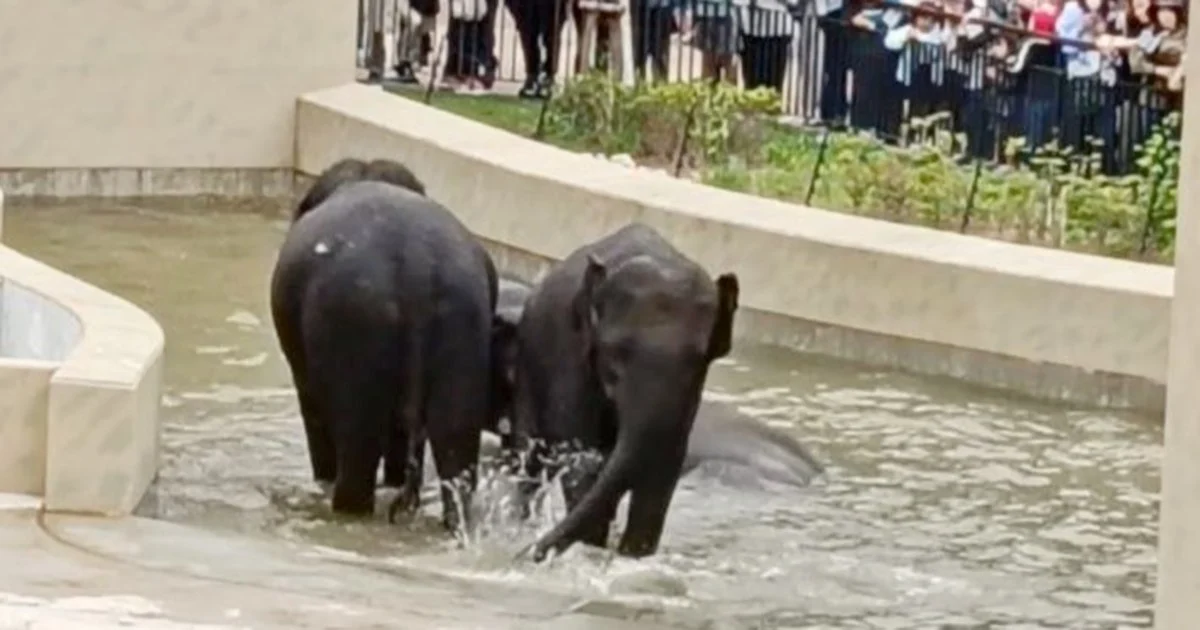
The Malaysian Anti-Corruption Commission has initiated an investigation into the Taiping Municipal Council regarding its controversial decision to transfer three elephants to Tennoji Zoo in Japan, with the current phase of the inquiry centred exclusively on a thorough examination of documentation and administrative records related to the transaction.
The scope of MACC's initial investigation remains narrow, focusing specifically on documentary evidence rather than expanding into witness interviews or site visits at this early stage. This methodical approach allows investigators to establish a clear chronological trail of decisions and approvals that led to the relocation of the three animals, which occurred amid considerable public concern about the welfare of Malaysia's wildlife assets.
The transfer of the elephants to the Japanese facility in Osaka sparked significant debate among animal welfare advocates, environmental groups, and Malaysian citizens who questioned whether proper due diligence was conducted and whether the decision served the best interests of the animals. The inquiry's concentration on paperwork suggests that anti-corruption authorities are seeking to verify whether all procedural requirements were met and whether appropriate governance frameworks were followed in authorizing such a major decision involving public assets.
Taipinga Municipal Council, which oversees the city's civic administration and public facilities, would have been responsible for maintaining proper documentation of any transaction involving the transfer of animals under municipal care. The MACC's focus on reviewing these records indicates investigators are attempting to establish whether correct authorization processes were observed, whether cost considerations were transparently evaluated, and whether stakeholder consultations were adequately documented.
The investigation's documentary phase is a standard initial step in anti-corruption inquiries, allowing investigators to identify inconsistencies, gaps in approval chains, or irregularities in record-keeping that might warrant deeper scrutiny. Without making allegations, the examination of records can reveal whether key decisions were made by appropriate personnel with necessary authority, whether competing bids or proposals were properly evaluated, and whether financial transactions were accurately recorded.
For Malaysian readers concerned about institutional accountability, this development underscores how anti-corruption mechanisms can be triggered by decisions perceived as questionable by the public. The MACC's willingness to examine the elephant transfer demonstrates that no transaction—regardless of its subject matter—is beyond scrutiny when concerns about propriety are raised by citizens or stakeholders.
The Tennoji Zoo relocation generated particular concern because elephants hold significant cultural importance in Malaysian society and are considered important symbols of the nation's natural heritage. Questions arose about whether alternative solutions, such as enhanced facilities within Malaysia, had been adequately explored before the decision to send the animals abroad was finalized.
The documentary review phase will likely examine approval memoranda, correspondence between municipal officials, cost-benefit analyses, consultation records, and any external recommendations that may have influenced the decision-making process. Investigators will also scrutinize financial records to confirm that any compensation or arrangements associated with the transfer were properly accounted for and authorized.
This inquiry reflects broader international scrutiny of wildlife transfers and animal welfare practices. Many countries have become increasingly concerned about ensuring that decisions involving endangered or significant animal populations follow transparent processes and prioritize animal welfare above other considerations. The MACC investigation signals that Malaysia takes such matters seriously from a governance perspective.
The investigation's limitation to documentary review at present does not preclude expansion if irregularities are discovered during this initial phase. Should the paper trail reveal inconsistencies or evidence suggesting improper conduct, the inquiry could broaden to include interviews with council members, consultants, and other relevant parties who participated in or approved the decision.
For the Taiping Municipal Council, the investigation represents a procedural challenge that requires full cooperation with authorities. Providing complete and accurate documentation will be essential for clarifying the decision-making process and demonstrating that proper governance standards were maintained throughout. Any missing or unclear records could invite further questions and extended investigation periods.
The probe also carries implications for how Malaysian local authorities approach major decisions involving public assets and institutions. Greater awareness of anti-corruption oversight may encourage municipal councils to strengthen their documentation practices and ensure that decisions—particularly those involving contentious issues like animal welfare—are thoroughly documented and transparently justified.
As the documentary review progresses, the findings will likely determine whether the investigation concludes without further action or whether additional investigative steps become necessary. Either outcome will provide important clarity about the decision-making process surrounding the elephant transfer and the governance standards that guided municipal officials in reaching this significant decision.

