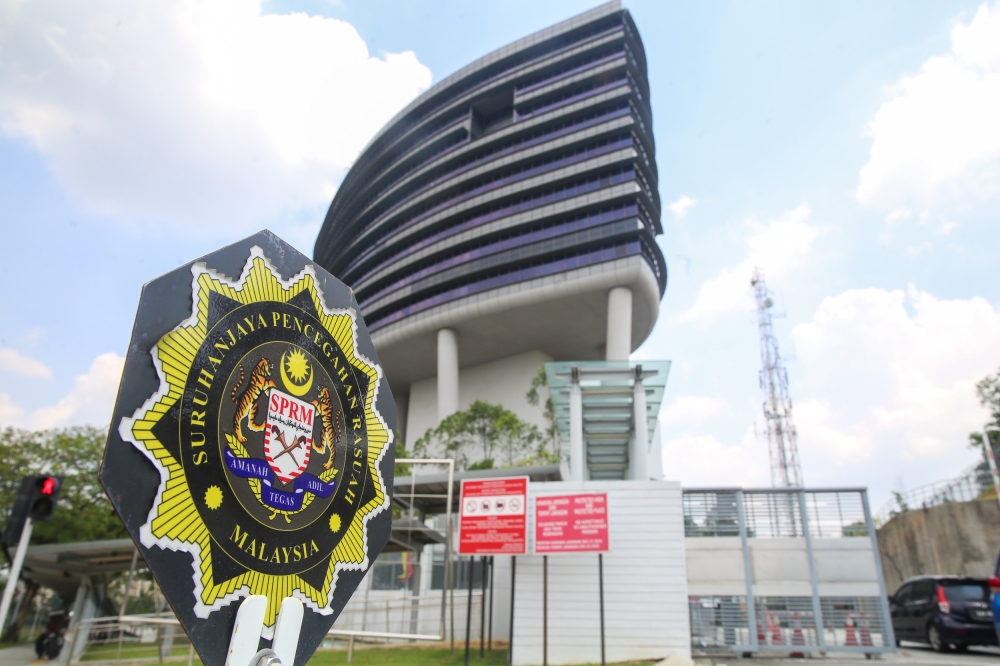
The Malaysian Anti-Corruption Commission is moving to fortify its investigative infrastructure with cutting-edge digital forensics technology, recognising that artificial intelligence poses a new frontier in how corrupt officials and criminal networks might obstruct justice. The agency's expansion of its technological capabilities signals a strategic pivot toward preempting sophisticated fraud schemes that leverage deepfakes, doctored documents, and synthetic media—tactics that could fundamentally undermine the integrity of corruption cases.
Corruption investigations traditionally relied on documentary evidence, witness testimony, and financial trails. However, the proliferation of AI tools capable of generating photorealistic videos and seamlessly altered images has created a troubling vulnerability in how evidence is verified and presented in court. When fabricated materials can be produced at scale with minimal technical expertise, investigators face the difficult task of distinguishing genuine records from convincing forgeries. For an anti-corruption body tasked with pursuing high-profile cases, the inability to definitively authenticate digital evidence threatens both prosecutions and public confidence in the system.
The MACC's investment reflects a broader recognition across Southeast Asian law enforcement that digital manipulation technology has matured rapidly. Deepfakes—synthetic media created through machine learning—can convincingly depict individuals saying or doing things they never did. Defence lawyers might increasingly exploit ambiguity around digital evidence authenticity to cast reasonable doubt on prosecution cases. Similarly, corrupt actors could plant false evidence or create misleading communications to frame rivals or obscure their own misconduct. Without sophisticated forensic tools, investigators operate at a disadvantage.
Building internal expertise in digital forensics requires substantial training and recruitment. The MACC's capability-building extends beyond acquiring software; the commission must develop human capacity to interpret forensic findings, understand the technical limitations of detection tools, and explain complex digital evidence to judges unfamiliar with such material. Training investigators to recognise signs of manipulation and document chains of custody for digital files becomes essential when evidence itself may be contested at the bit level.
The Malaysian context adds particular urgency to this modernisation. Corruption cases often involve politically connected individuals with resources to employ sophisticated technical countermeasures. As digital evidence becomes central to investigations—from encrypted messaging apps to financial transaction records—the ability to authenticate and defend the integrity of that evidence directly affects prosecutorial success. Without robust forensics, even well-founded cases risk collapsing if defence teams successfully challenge the authenticity of digital materials.
Regionally, Malaysia is not alone in confronting this challenge. Corruption investigators across Southeast Asia face similar pressures as AI capabilities democratise. Countries with weaker institutional oversight or less developed forensic capacity may become havens for actors seeking to exploit investigative blind spots. By strengthening its own capabilities, the MACC contributes to regional standards and creates precedent that other national authorities can reference when developing their own protocols.
The detection of manipulated evidence requires multifaceted approaches. Forensic analysts examine metadata embedded in digital files—timestamps, creation records, editing histories—that deepfakes often cannot perfectly replicate. Behavioral biometrics analyse video of individuals to identify unnatural movements or speech patterns inconsistent with genuine recordings. Statistical analysis of image pixels can reveal compression artifacts or lighting inconsistencies created during synthesis. No single technique is foolproof, which is why comprehensive digital forensics capabilities must integrate multiple verification methods.
Beyond technical tools, institutional protocols matter enormously. Establishing chain-of-custody procedures specifically designed for digital evidence, standardising how investigators store and document their findings, and creating oversight mechanisms to prevent evidence tampering are all critical. The MACC's upgrade likely encompasses not just software and hardware but also procedural reforms that embed digital forensics principles throughout the investigative process.
The implications extend to how corruption trials unfold in Malaysian courts. Judges will need familiarity with digital forensics testimony to properly evaluate expert evidence. The introduction of sophisticated technical arguments into courtrooms traditionally less versed in such material may slow proceedings initially, but ultimately strengthens verdicts. When digital evidence withstands rigorous forensic scrutiny, convictions become more defensible on appeal and less vulnerable to claims of technical inadequacy.
International cooperation also plays a role. Deepfake technology crosses borders easily; a manipulated video created in one country can circulate globally within hours. The MACC's enhanced forensic capacity benefits from sharing intelligence with counterpart agencies in other nations. Regional forums on anti-corruption and cybercrime increasingly prioritise digital evidence standards, and Malaysia's investment positions the commission as a contributor to these developing norms.
Looking ahead, the race between detection and creation technologies will likely intensify. As AI tools become more sophisticated, creating harder-to-detect forgeries, forensic techniques must advance correspondingly. The MACC's commitment to ongoing capability development acknowledges this reality and signals that the commission understands corruption investigation is not static but must continuously adapt to technological change.
For Malaysian citizens and observers of the anti-corruption system, these upgrades represent necessary modernisation. Public trust in anti-corruption enforcement depends partly on confidence that evidence presented in court has been rigorously validated. By investing in digital forensics, the MACC demonstrates commitment to meeting evidentiary standards in an era where technology increasingly shapes how corruption is concealed—and how it can be exposed.

