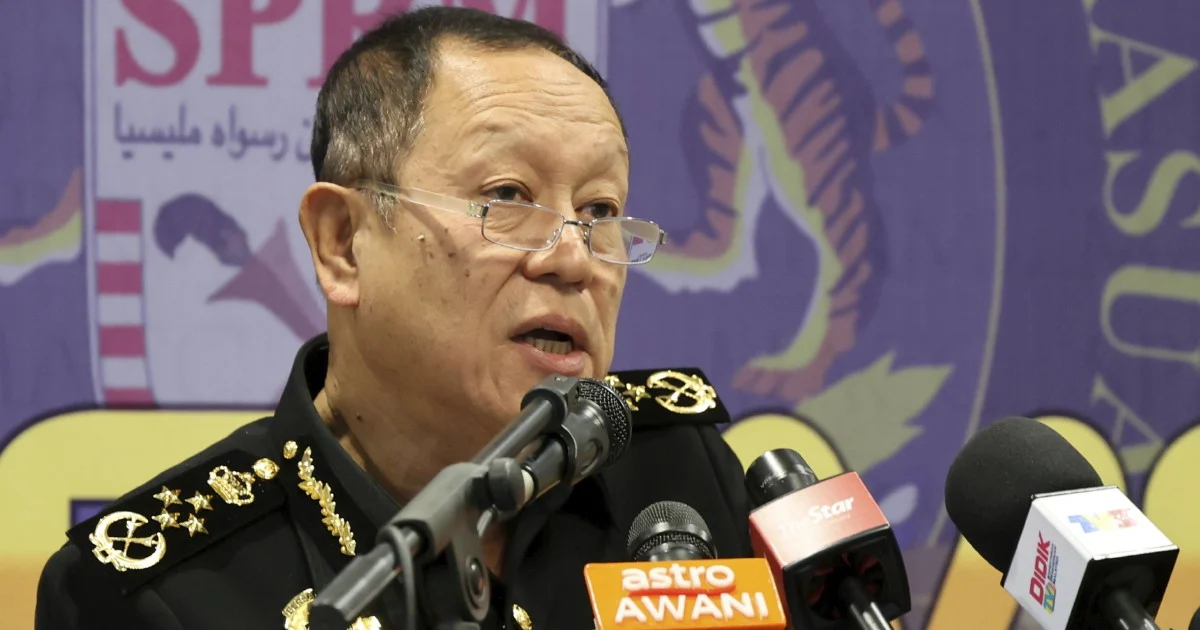
The Malaysian Anti-Corruption Commission has announced it will call in several individuals for questioning as part of a sprawling investigation into a luxury property acquisition in the United States that authorities suspect was funded through illicit transfers from 1Malaysia Development Bhd. Among those expected to provide assistance is the wife of a former Malaysian prime minister, marking a significant escalation in the ongoing inquiry into how 1MDB funds—some of which disappeared amid allegations of gross misappropriation—may have been laundered through high-end real estate purchases abroad.
This development underscores the continuing complexity and reach of the 1MDB scandal, which has engulfed Malaysia's political and corporate establishment for nearly a decade. The case has become a defining investigation in the country's modern history, prompting international cooperation from law enforcement agencies across multiple jurisdictions and drawing scrutiny from the United States Department of Justice. The luxury property inquiry represents one of several parallel investigations into how billions of ringgit that should have funded development projects instead flowed into private accounts and luxury acquisitions worldwide.
The specific property in question has not been identified publicly, but authorities believe the transaction involved individuals connected to the former administration under which 1MDB was established and allegedly mismanaged. The willingness of the MACC to formally call in a former premier's spouse indicates that investigators believe they have gathered sufficient preliminary evidence to warrant direct testimony. Such questioning would typically occur once preliminary inquiries have established plausible connections between the property purchase and fund flows originating from 1MDB accounts.
Luxury property purchases in major American cities, particularly in New York and Los Angeles, have long been identified as a common vehicle for laundering illicit funds. High-value real estate transactions in the United States can involve complex corporate structures, shell companies, and trust arrangements that historically have made it difficult to trace beneficial ownership. The opacity of these transactions was particularly pronounced during the period when 1MDB was actively transferring funds, before international authorities began coordinating efforts to uncover the scheme's mechanisms.
The MACC's decision to broaden its questioning comes as Malaysia continues its painful process of attempting to recover assets and hold accountable those responsible for one of the world's largest modern financial frauds. Previous investigations have resulted in multiple arrests, prosecutions, and convictions of individuals ranging from low-level operatives to senior government officials and corporate executives. However, the geographic spread of allegedly misappropriated assets—spanning Asia, Europe, and North America—has meant that recovery efforts remain incomplete and complex.
For Malaysian readers, the ongoing investigation carries significance beyond the immediate legal proceedings. The 1MDB scandal profoundly damaged Malaysia's international reputation and raised fundamental questions about corporate governance, institutional oversight, and the adequacy of anti-corruption mechanisms. The investigation's continuation demonstrates that despite changes in government and renewed commitments to transparency, the task of fully accounting for missing funds remains painstaking and far-reaching.
The involvement of a former premier's family member in questioning also reflects how thoroughly the scandal permeated the highest levels of the previous administration. While previous legal proceedings have already resulted in convictions of several senior figures from that era, the emergence of new investigative threads suggests that authorities are still uncovering previously unknown or undocumented transactions. This indicates that the full scope of the 1MDB misappropriation may yet be more expansive than initially understood.
International cooperation has proven essential to these investigations, as the funds' journey took them across borders and through multiple financial jurisdictions. The MACC has worked closely with authorities in countries including Singapore, Switzerland, and the United States to trace asset flows and identify beneficiaries. The American property investigation exemplifies how 1MDB-linked inquiries have required coordinated international effort, with the US Department of Justice maintaining active interest in cases involving American real estate and financial institutions.
For Southeast Asia more broadly, the 1MDB case has become a cautionary example cited in discussions about strengthening anti-corruption frameworks and improving cross-border regulatory cooperation. Malaysian authorities have used lessons learned from the scandal to enhance financial monitoring systems and corporate transparency requirements. The ongoing investigation thus serves not merely as a means of holding individuals accountable, but as part of a broader effort to strengthen institutional protections against similar schemes in the future.
The questioning of individuals related to the US property acquisition may also clarify the mechanisms through which 1MDB funds were converted into hard assets abroad. Understanding these pathways is crucial for recovering assets and preventing similar schemes from operating undetected. As the investigation proceeds, further details about the specific property, the individuals involved, and the financial transactions connecting the asset to 1MDB are expected to emerge through court filings and official statements from the MACC.

