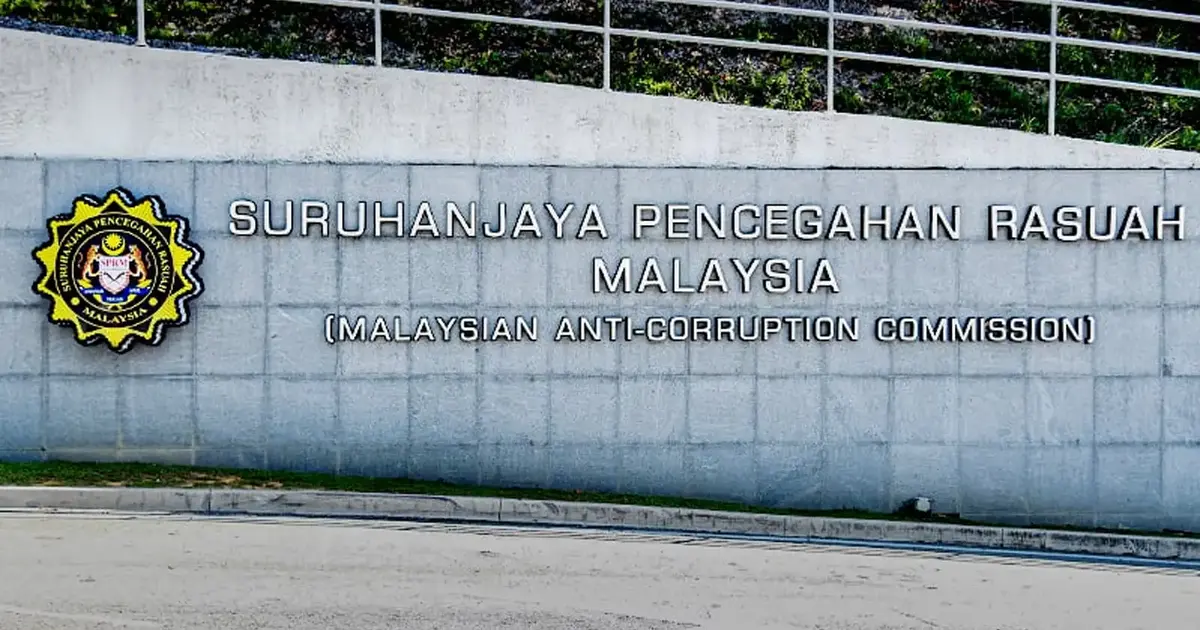
The Malaysian Anti-Corruption Commission (MACC) is moving forward with legal proceedings against 13 company proprietors in relation to misconduct uncovered within the Daya Kerjaya 2.0 initiative, a government-backed employment and entrepreneurship scheme. The enforcement action marks a significant step in the anti-corruption agency's efforts to address systemic irregularities that emerged during an investigation into how participating businesses managed programme funds and obligations.
Daya Kerjaya 2.0 represents a substantial national initiative designed to create employment opportunities and support small and medium enterprise development across Malaysia. The programme has drawn considerable government investment and public attention as part of broader economic stimulus efforts. However, the discovery of irregularities within the scheme's implementation has prompted the MACC to undertake a comprehensive investigation into participating entities and their compliance with programme guidelines and disbursement requirements.
The specific nature of the alleged misconduct encompasses various compliance failures and improper practices identified during the MACC's examination of business operations under the scheme. These irregularities likely involve misuse of allocated resources, failure to meet contractual obligations, or other breaches of the programme's established framework. The scale of the investigation—encompassing 13 separate company owners—suggests the issues are not isolated incidents but reflect a pattern of concern that warranted formal prosecution action.
Court proceedings scheduled for tomorrow will represent the initial stage in the legal process, where charges will be formally presented and bail arrangements may be determined. The prosecution of such cases typically involves multiple hearings and evidence presentations, meaning the legal process will extend over several months. Each defendant's individual circumstances and the specifics of their alleged violations will be examined separately, though the common thread linking all cases is their connection to irregularities within the Daya Kerjaya 2.0 framework.
The MACC's decision to pursue prosecutions reflects the agency's mandate to combat corruption and misconduct in programmes involving public resources. Government initiatives that distribute funds or create special business opportunities are particularly vulnerable to abuse, making the anti-corruption agency's scrutiny essential for maintaining programme integrity and public confidence. When irregularities are identified, swift legal action sends a powerful deterrent message to other programme participants and prospective beneficiaries about the consequences of non-compliance.
For Malaysian stakeholders, including legitimate participants in Daya Kerjaya 2.0 and broader society, these prosecutions demonstrate institutional mechanisms designed to protect government expenditure and ensure fair programme administration. The enforcement action also highlights vulnerabilities within how government schemes are monitored and audited at the implementation stage. Understanding these weaknesses is crucial for programme designers seeking to strengthen controls and prevent future abuse of similar initiatives.
The Daya Kerjaya 2.0 cases also carry significance within Malaysia's broader anti-corruption narrative. Building strong institutional capacity at the MACC and successfully prosecuting programme-related misconduct reinforces the rule of law and demonstrates that those misusing public resources face genuine accountability. However, the existence of sufficient irregularities to warrant prosecution of 13 company owners simultaneously raises questions about the adequacy of initial programme vetting, monitoring mechanisms, and compliance frameworks that allowed such issues to emerge.
Regionally, Malaysia's approach to enforcing compliance within government programmes and punishing misconduct provides lessons for other Southeast Asian nations grappling with similar challenges in their own developmental initiatives. The MACC's investigative capacity and prosecutorial follow-through illustrate how anti-corruption institutions can meaningfully impact the implementation of large-scale government schemes across diverse economic sectors and geographical areas throughout the country.
Looking forward, the outcomes of these court cases will likely influence how government agencies design and oversee future programmes. Should prosecutions result in convictions and substantial penalties, this reinforces the deterrent effect and signals to the business community that programme benefits come with serious compliance responsibilities. Conversely, if legal challenges emerge during proceedings, they may highlight gaps in investigation methodology or evidentiary standards that warrant refinement in future anti-corruption enforcement efforts.
The MACC's action also reflects increasing focus on post-implementation oversight within government schemes, a critical area that often receives less attention than initial programme launch and design. Ensuring that funds reach intended beneficiaries and that participants fulfil their obligations requires sustained monitoring capacity and willingness to pursue enforcement action when violations are discovered. The 13 prosecutions demonstrate this commitment, though the scale of detected irregularities suggests considerable resources will be required to maintain such oversight across Malaysia's expanding portfolio of economic development initiatives.

