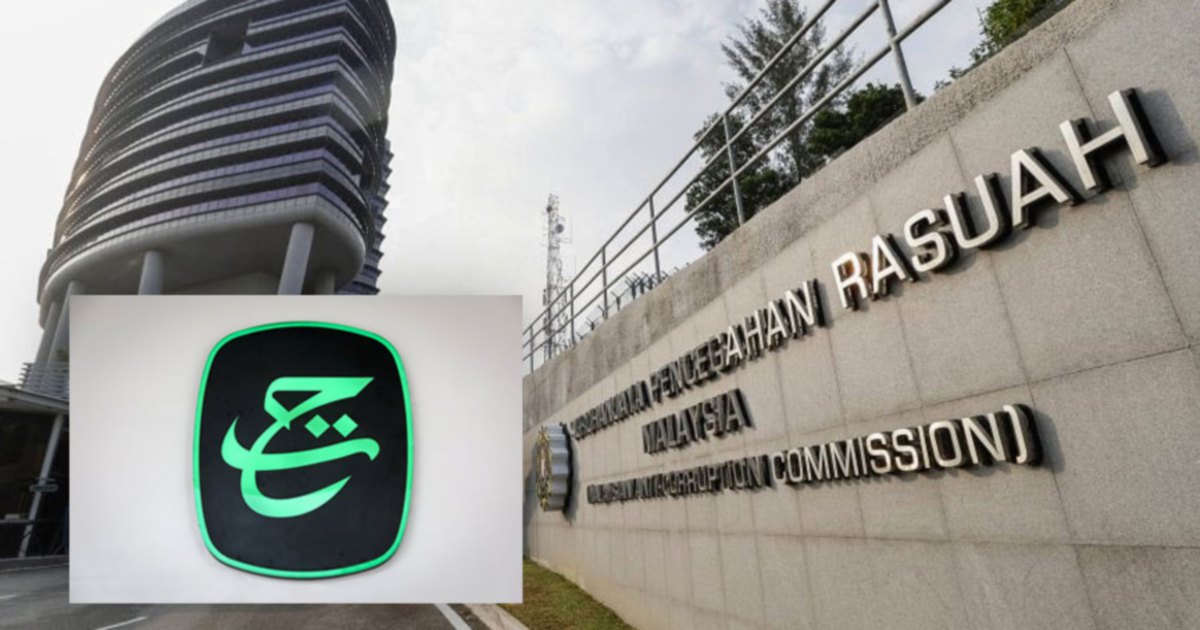
The Malaysian Anti-Corruption Commission has placed a former chief executive officer of Tabung Haji in its investigative crosshairs and is poised to summon the individual for questioning, according to sources familiar with the ongoing inquiry. This development follows the completion of a Royal Commission of Inquiry report that examined governance and operational matters within the Islamic pilgrimage fund, one of Malaysia's largest financial institutions managing billions of ringgit in hajj contributions from Muslim Malaysians.
Tabung Haji, officially the Lembaga Tabung Haji, serves as a crucial savings and investment vehicle for Malaysian Muslims intending to undertake the holy pilgrimage to Mecca. The institution has long been a trusted repository for the religious aspirations and financial resources of millions of Malaysians, making governance failures or misconduct particularly sensitive matters affecting public confidence in Islamic financial institutions. The RCI's investigation appears to have identified areas of concern that have now attracted the MACC's attention, signalling a potential transition from administrative inquiry to criminal investigation.
The exact nature of the allegations or concerns flagged in the RCI report remains unclear, though such investigations typically examine issues ranging from procurement irregularities and fund mismanagement to conflicts of interest or abuse of authority by senior officials. The fact that a former CEO has been specifically identified suggests that leadership decisions made during a particular tenure have come under scrutiny. This pattern of investigation follows a trajectory common in Malaysia, where Royal Commissions sometimes precede formal criminal probes by anti-corruption agencies.
For Malaysian readers, the involvement of the MACC represents a significant escalation in the accountability process. The commission possesses statutory powers to conduct interviews under caution, seize documents, and recommend prosecution for corruption offences under the Malaysian Anti-Corruption Commission Act 2009. A summons would mark a formal stage in proceedings, moving beyond the information-gathering phase into direct questioning of persons of interest.
The timing of this action reflects ongoing efforts to strengthen governance standards across Malaysia's public institutions, particularly those managing substantial public or quasi-public funds. Tabung Haji's significance extends beyond its financial scale—it occupies a unique position as a trusted institution intertwined with religious obligations and aspirations. Any governance lapses therefore carry implications for public trust in Islamic financial institutions more broadly throughout Malaysia and the region.
The RCI itself represents a formal governmental response to concerns that warranted investigation at the highest levels. Royal Commissions of Inquiry are constituted to examine matters of public importance, typically when issues have gained sufficient prominence or controversy to warrant thorough examination. The fact that such a commission was established for Tabung Haji indicates that governance or operational matters had reached a threshold demanding comprehensive investigation.
Industry observers note that investigations into large financial institutions managing public contributions often reveal systemic issues beyond individual misconduct. Poor internal controls, unclear accountability structures, or weak oversight mechanisms frequently emerge as underlying factors. The MACC's approach may therefore extend beyond the former CEO to examine institutional practices and policies that prevailed during the period in question.
For the broader Malaysian public and particularly the millions of Tabung Haji contributors, the investigation carries practical implications. Confidence in the institution's stewardship of their savings directly affects Malaysians' willingness to participate in the hajj savings scheme. Any perception of corruption or mismanagement could discourage future contributions or trigger demands for operational reforms. Government authorities are likely conscious of this broader reputational dimension as they proceed with the investigation.
The involvement of multiple investigative bodies—first the RCI and now the MACC—suggests a layered approach to accountability. The RCI provides comprehensive fact-finding and contextual understanding, while the MACC applies specific legal frameworks for corruption investigations. This combination enables both systemic assessment and individual accountability. The expected summons of the former CEO represents the bridge between these investigative phases.
Regional observers of Malaysian governance and institutional accountability are watching how authorities balance the need for robust investigation with maintaining public confidence in Islamic financial systems. Southeast Asia's largest economy relies heavily on such institutions to serve the religious and financial needs of its substantial Muslim population. Investigations conducted transparently and thoroughly, with clear communication about findings and remedial actions, can actually strengthen rather than undermine institutional credibility.
The timeline for the MACC's summons remains uncertain, though sources suggest it will occur soon following the RCI report's completion and dissemination to relevant authorities. The investigation represents part of Malaysia's ongoing efforts to combat corruption across all sectors, from commercial enterprises to government-linked companies and financial institutions. For Tabung Haji specifically, the process may ultimately lead to institutional reforms and renewed commitment to governance standards that safeguard contributors' interests.

