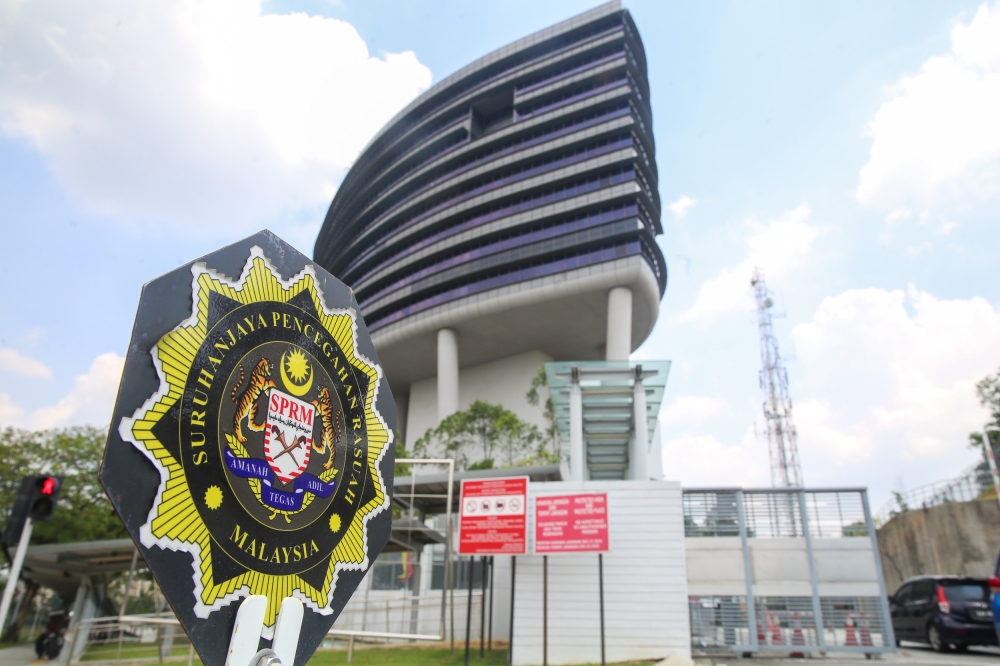
The Malaysian Anti-Corruption Commission has made a direct appeal to the nation's top civil service officials, asking them to take meaningful steps toward safeguarding individuals who report misconduct within their organisations. This initiative comes as the country pursues an improved ranking on the Corruption Perceptions Index, a closely watched global measure of perceived public-sector corruption that influences investor confidence and international standing.
The MACC's message reflects a growing recognition within Malaysia's governance apparatus that whistleblower protection represents a critical pillar of any effective anti-corruption framework. By appealing directly to ministry secretaries-general—the highest-ranking civil servants in each government department—the commission is attempting to embed safeguarding mechanisms at the institutional level where decisions are made and resources allocated. This top-down approach targets those officials with the greatest capacity to implement systematic changes across their respective ministries.
Whistleblower protection has emerged as a particularly sensitive issue in Malaysia's anti-corruption landscape. Without adequate legal safeguards and institutional guarantees of safety, employees face real risks when exposing wrongdoing, ranging from professional ostracism to direct retaliation. The MACC's initiative underscores that whistleblowers often serve as crucial early-warning systems, providing intelligence about corrupt practices that might otherwise escape detection for years. Their willingness to come forward depends substantially on confidence that doing so will not derail their careers or endanger their wellbeing.
The timing of this push aligns with Malaysia's broader strategic objective of climbing the Corruption Perceptions Index rankings. Published annually by Transparency International, the index measures how corruption is perceived among business executives, academics, and country analysts. A higher ranking carries tangible benefits beyond reputational gain: it signals to foreign investors that Malaysia maintains robust governance standards, potentially influencing decisions about capital allocation and business expansion in Southeast Asia. Even modest improvements in the ranking can subtly shift perceptions of Malaysia's institutional reliability.
The emphasis on whistleblower protections represents a strategic calculation that Malaysia's international credibility depends not merely on punishing corruption after the fact, but on demonstrating institutional mechanisms that actively encourage the reporting of misconduct. Countries with strong whistleblower frameworks tend to record higher corruption perception scores because their visibility into problematic behaviour is correspondingly greater. Paradoxically, better reporting systems may initially reveal more corruption, not less, before improved governance practices gradually reduce actual corrupt activity.
For Malaysian civil servants, the MACC's directive carries implicit pressure to move beyond passive compliance with anti-corruption laws toward proactive institutional reform. Many government departments currently lack dedicated mechanisms for receiving, investigating, and protecting individuals who report corruption through internal channels. The MACC is essentially asking ministry leaders to establish such systems where they do not exist, and to strengthen them where they function inadequately. This requires budgetary commitment, staff training, and policy documentation—tangible investments that signal organisational commitment beyond rhetoric.
The broader Southeast Asian context shapes Malaysia's particular interest in improving its corruption perception ranking. Regional competitors including Singapore, Brunei, and Vietnam occupy different positions on the index, and Malaysia's relative standing influences how foreign investors assess the country's governance quality compared to neighbouring economies. As the region becomes an increasingly attractive destination for international capital, small movements in corruption perception scores can influence project funding decisions and corporate investments worth billions of ringgit.
Implementing effective whistleblower protections requires grappling with several practical challenges that Malaysian ministries will need to address. Anonymous reporting channels must be genuinely confidential, investigations must be conducted by personnel with no connection to the accused, and reassignment or promotion decisions must not appear retaliatory. Additionally, whistleblowers require protection not only from direct retaliation but also from the subtler forms of workplace ostracism that can make careers untenable. Building these protections into institutional culture demands consistent messaging from leadership.
The MACC's approach also reflects evolving international standards for anti-corruption work. Major development banks, multilateral institutions, and corporate governance frameworks increasingly view whistleblower protection as non-negotiable. Malaysia's desire to maintain strong relationships with international partners and participate fully in global economic governance structures creates incentives to align domestic practices with international norms. The commission's appeal to ministry leaders thus serves multiple objectives simultaneously: improving actual corruption detection, signalling institutional commitment to international partners, and enhancing Malaysia's standing on global governance metrics.
For Malaysian society, the expansion of whistleblower protections potentially offers broader benefits beyond corruption metrics. When individuals can safely report wrongdoing within government institutions, the quality of public service improves across multiple dimensions including financial probity, service delivery, and ethical conduct. However, realising these benefits requires not only policy changes but also sustained cultural shifts in how government organisations view dissent and internal accountability. The MACC's intervention with ministry leaders represents a beginning rather than a comprehensive solution to embedding these changes throughout Malaysia's public sector.

