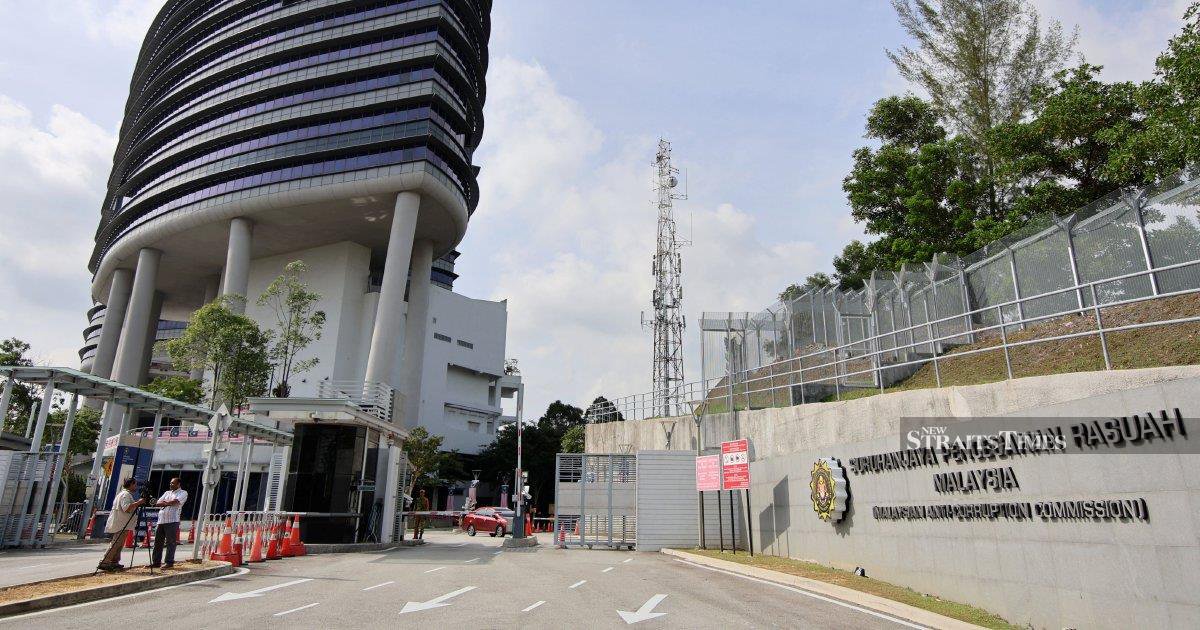
The Malaysian Anti-Corruption Commission (MACC) has issued a significant call to action directed at top government administrators, urging them to establish and reinforce whistleblower protection mechanisms as a cornerstone of Malaysia's anti-corruption strategy. The push comes as the country looks to enhance its standing on the Corruption Perceptions Index (CPI) and demonstrate meaningful governance improvements ahead of 2030.
The commission's appeal specifically targets ministry secretaries-general and department directors-general, positioning these senior officials as key agents for institutional reform. By engaging leadership at this level, MACC is emphasising that whistleblower protection cannot be viewed as a peripheral compliance matter but rather as a fundamental governance imperative that must be championed from the top. This hierarchical approach acknowledges that lasting change in bureaucratic cultures requires commitment and accountability from those managing Malaysia's vast public sector machinery.
Whistleblower protection schemes address a critical vulnerability in anti-corruption frameworks. When public servants and private citizens fear retaliation for reporting misconduct, corruption thrives in shadows. Malaysia's experience reflects broader Southeast Asian patterns where employees at all levels often remain silent about wrongdoing due to genuine concerns about job security, career advancement, and personal safety. By contrast, jurisdictions with robust whistleblower protections report significantly higher detection and prosecution rates for corruption offences, suggesting that legal safeguards translate into tangible enforcement outcomes.
The Corruption Perceptions Index represents a crucial benchmark for Malaysia's international standing. Published annually by Transparency International, the CPI evaluates nations based on perceived levels of public sector corruption, drawing on surveys and assessments from international experts and business leaders. Malaysia's position on this index influences foreign investor confidence, international relations, and the country's reputation within global governance circles. A meaningful improvement by 2030 would signal to stakeholders that systemic anti-corruption efforts are producing substantive results rather than merely symbolic gestures.
Implementing comprehensive whistleblower protections involves multiple dimensions beyond legal statutes. Effective schemes require confidentiality guarantees that genuinely insulate informants from identification, clear reporting channels that bypass potentially compromised supervisory structures, and credible assurance that retaliation will result in severe consequences for perpetrators. Malaysia's existing whistleblower framework includes elements of protection, yet policymakers and enforcement agencies frequently note implementation gaps where protections remain theoretical rather than practical. Field experience from government employees and contractors suggests uncertainty about whether protections would genuinely shield them against subtler forms of reprisal such as transfer to disadvantageous postings or blocked promotions.
The timing of MACC's initiative reflects awareness that Malaysia faces competitive pressure on governance metrics. Regional neighbours have invested heavily in anti-corruption infrastructure, and divergent CPI trajectories create perceptual gaps between nations at similar development stages. Strengthening whistleblower protections positions Malaysia as serious about tackling embedded corruption rather than engaging in cosmetic reform. For multinational enterprises considering regional headquarters locations and supply chain investments, credible anti-corruption enforcement mechanisms differentiate attractive jurisdictions from those where business misconduct risks remain elevated.
Departmental implementation will prove decisive. Secretaries-general and directors-general control resource allocation, institutional priorities, and the communication of expectations to subordinate units. When these leaders genuinely prioritise whistleblower protection—allocating dedicated personnel, establishing accessible reporting systems, and demonstrating follow-through when employees come forward—cultural shifts gradually permeate organisations. Conversely, when leadership treats whistleblower protection as a bureaucratic box-ticking exercise, systems become ineffective, employees notice the disconnect, and reporting rates plummet.
The private sector dimension warrants attention alongside government sector reforms. Many corruption schemes involve collaboration between public officials and business actors. Robust private sector whistleblower protections—extending beyond traditional employees to contractors and supply chain participants—create friction for corrupt arrangements. Malaysian businesses increasingly recognise that robust internal controls and whistleblower channels reduce their own exposure to enforcement action and regulatory sanctions. Progressive companies have begun competing on governance credentials, viewing anti-corruption commitment as a market differentiator.
International experience provides instructive lessons. Countries that have substantially improved their CPI standings typically implemented comprehensive legal frameworks protecting whistleblowers, supplemented by dedicated oversight agencies, regular training programmes, and transparent reporting on investigations and outcomes. South Korea, for instance, saw meaningful CPI improvements correlate with establishment of the Anti-Corruption and Civil Rights Commission and strong whistleblower statutes. These jurisdictions recognised that transparency about how whistleblower reports translate into enforcement actions builds confidence in the system.
For Malaysian readers and businesses, MACC's initiative signals the institutional direction government is pursuing. Organisations should anticipate that regulatory environments will increasingly demand robust internal controls and whistleblower mechanisms. Employees considering whether to report suspected misconduct have clearer indication that institutional support structures are being actively strengthened. The call to bureaucratic leadership represents an acknowledgment that Malaysia's CPI trajectory depends not on isolated anti-corruption operations but on systematically embedding integrity into institutional cultures.
The 2030 timeline provides realistic horizon for meaningful change. Establishing effective whistleblower cultures requires time—legal frameworks must be drafted, administrative systems implemented, training delivered, and most importantly, demonstrated commitment from leadership must become evident through consistent follow-through. MACC's push positions whistleblower protection as central to this agenda rather than peripheral, essentially signalling that Malaysia's anti-corruption future hinges significantly on citizens' confidence that reporting misconduct will result in protection rather than persecution.

