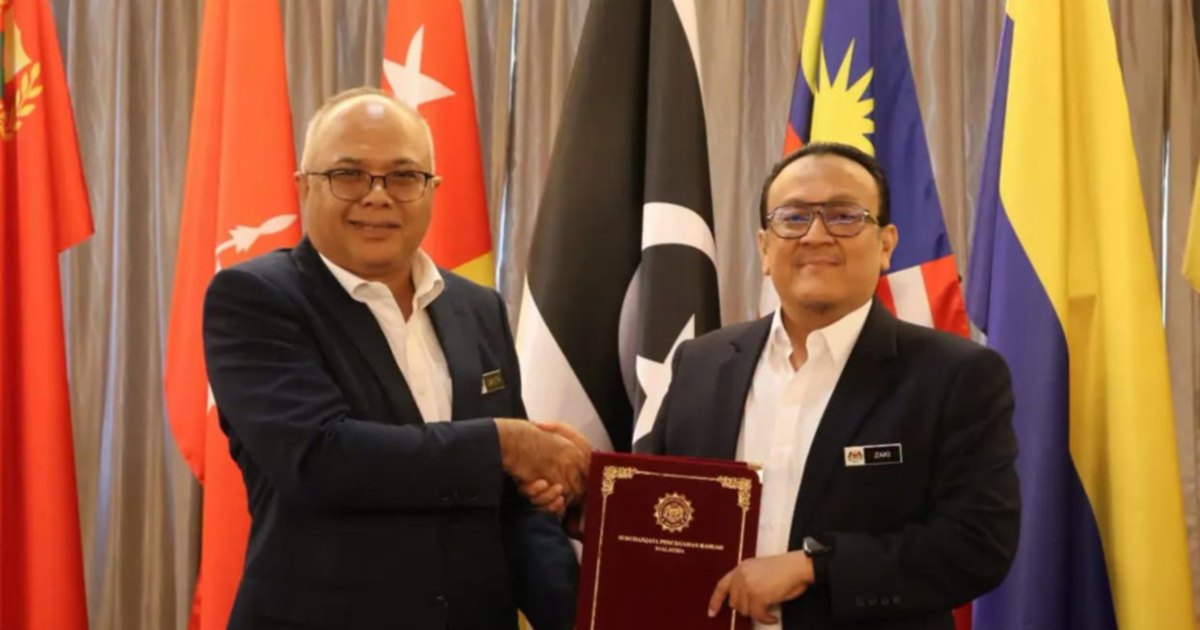
The Malaysian Anti-Corruption Commission has identified structural weaknesses in how the Cooking Oil Price Stabilisation Scheme operates and has proposed six governance reforms designed to plug gaps that enable misuse of state resources. The recommendations, unveiled in Putrajaya, aim to establish stronger oversight mechanisms across the heavily subsidised cooking oil programme that affects millions of Malaysian households and food producers nationwide.
Inefficiencies within the current subsidy framework have long raised concerns among policymakers and transparency advocates. The COSS, which caps retail prices for cooking oil to protect consumers from market volatility, has suffered from operational leakages that divert subsidised product away from intended beneficiaries. The MACC's intervention signals growing recognition that administrative safeguards must be substantially upgraded if the government is to derive maximum value from the billions of ringgit committed annually to this essential commodity support programme.
The six-point reform package addresses systemic vulnerabilities identified through investigation and audit work. Each proposal targets a specific operational layer, from supply chain documentation to verification protocols at distribution points. By tightening procedures at multiple checkpoints, the commission believes leakage points can be systematically eliminated. The reforms reflect international best practices in subsidy programme management, adapting successful models from neighbouring countries that have implemented comparable controls.
Cooking oil subsidies represent a significant budgetary commitment for the federal government, making the efficiency of the COSS a matter of broader fiscal concern. Leakages—whether through diversion of subsidised oil to non-retail channels, smuggling across borders, or falsified records—represent a direct loss of public funds that could otherwise support healthcare, education, or infrastructure. Malaysia's experience mirrors challenges faced across Southeast Asia, where governments struggle to balance consumer price protection with budgetary sustainability and programme integrity.
The MACC's recommendations likely include enhanced documentation requirements for distributors and retailers, improved real-time tracking systems to monitor subsidy allocation, and stricter penalties for programme abuse. Coordination between government agencies involved in administering the scheme—including the Ministry of Domestic Trade and Cost of Living, customs authorities, and state-level regulators—has historically been fragmented. Centralised oversight mechanisms could significantly improve transparency and accountability across the entire supply chain.
Implementation of these reforms will require coordination with multiple stakeholders. Retailers and wholesale distributors must adapt their operational procedures to comply with stricter reporting standards. Government agencies will need additional training and resources to execute enhanced verification protocols. The private sector's cooperation is essential, particularly large-scale cooking oil producers and importers whose records form the foundation of subsidy administration. Any resistance from established market players would need to be managed carefully to prevent disruption to supply.
Regional context matters here. Indonesia's long-standing battle with cooking oil subsidy leakage offers cautionary lessons, while Singapore's targeted approach to essential commodity support provides contrasting models. Malaysia's position as a net exporter of palm oil adds complexity—the government must balance domestic subsidy goals with export market realities and climate pressures regarding sustainable sourcing. Neighbouring countries monitor Malaysian subsidy policies due to cross-border smuggling risks and regional supply chain integration.
The MACC's initiative also reflects broader anti-corruption priorities under Malaysia's recovery agenda. Public procurement fraud and subsidy manipulation represent high-impact corruption risks affecting ordinary Malaysians most directly through inflation, reduced government spending capacity, and deteriorated public services. By demonstrating that the anti-corruption agency can deliver practical, implementation-focused reforms in a major programme, the MACC reinforces its institutional credibility and its capacity to move beyond investigation toward systemic improvement.
Cost-of-living pressures have intensified scrutiny of Malaysia's subsidy programmes. Citizens expect government support mechanisms to deliver real relief without wasteful leakage. The MACC's advocacy for governance tightening demonstrates responsiveness to public concerns about where taxpayers' money actually flows. This messaging matters as the government seeks to maintain social stability while managing inflation and protecting household purchasing power across income strata.
Adopting the MACC's recommendations will require legislative or regulatory amendments depending on the specific reforms proposed. The timeline for implementation remains uncertain, but the urgency is clear—every financial year that passes without strengthened controls represents preventable loss. The success of these reforms will be measurable through reduced subsidy costs for equivalent supply volumes, lower instances of detected diversion, and improved market compliance.
Longer-term, the MACC's involvement suggests the government recognises that subsidy programmes cannot be sustainably maintained without addressing governance deficits. Demographic pressures, climate change affecting agriculture, and global commodity price volatility will all make subsidy delivery increasingly expensive. Building robust institutional frameworks now positions Malaysia to manage these future pressures more effectively. The cooking oil scheme reform offers an opportunity to demonstrate that Malaysia can strengthen programme integrity while maintaining the social protection objectives subsidies are designed to achieve.

