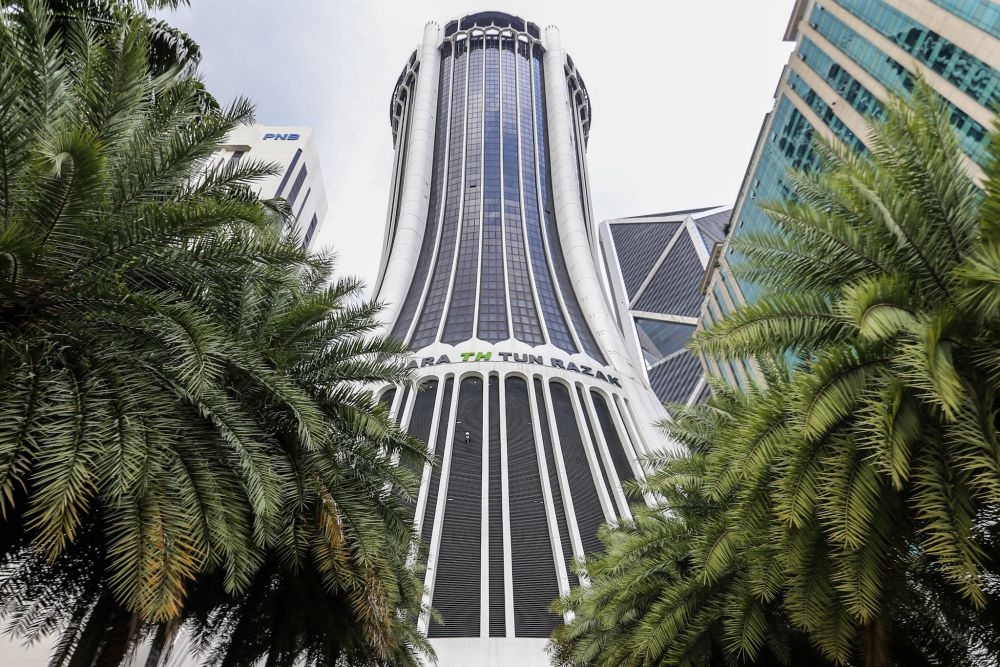
Malaysia's key enforcement agencies have markedly accelerated their investigative efforts into suspected misconduct at Tabung Haji, the state-linked Islamic pilgrimage fund, in response to findings released by the Royal Commission of Inquiry. The Malaysian Anti-Corruption Commission, Royal Malaysia Police, and Inland Revenue Board are now working in coordinated fashion to examine the allegations that emerged from the RCI report, signalling a serious governmental commitment to pursue accountability and potential criminal charges.
The RCI investigation had examined the management and operations of Tabung Haji, which holds and administers savings belonging to millions of Muslim Malaysians preparing for the Hajj pilgrimage. The inquiry's conclusions apparently identified systemic weaknesses, questionable financial decisions, and conduct that warranted formal criminal investigation. By tasking three separate but complementary agencies with the probe—each bringing distinct expertise in anti-corruption, general criminal investigation, and tax compliance—authorities appear determined to leave no avenue unexplored.
For Malaysian citizens, many of whom maintain accounts with Tabung Haji, these allegations strike at the heart of financial security and institutional trust. The fund occupies a unique position in Malaysia's financial ecosystem, combining religious significance with practical savings functions. Millions of Malaysians, particularly from lower and middle-income groups, rely on Tabung Haji accounts as their primary savings vehicle for religious obligations. Concerns about irregularities consequently resonate deeply across communities, extending beyond ordinary concerns about corporate mismanagement to touch on matters of faith and personal aspiration.
The RCI report likely contained detailed findings about specific transactions, approvals, and decisions made by Tabung Haji leadership and senior management. These findings presumably justified the decision to refer matters for criminal investigation rather than merely administrative remediation. The fact that multiple agencies are now coordinating suggests authorities identified conduct potentially violating anti-corruption laws, general criminal statutes, and tax regulations simultaneously. This multifaceted approach indicates the complexity and scope of the suspected irregularities.
The Malaysian Anti-Corruption Commission brings specialised capacity to investigate corruption-related offences, including abuse of power, breach of trust, and solicitation of gratification. Police investigators contribute capacity for general criminal investigation, including potential fraud charges and other offences. The Inland Revenue Board's involvement suggests potential concerns about tax compliance and the propriety of financial transactions, particularly if certain transactions involved unusual or inadequately documented flows of funds. When these agencies work in concert, they create overlapping jurisdictional coverage that maximizes the likelihood of identifying and prosecuting misconduct.
The timing of intensified investigations reflects broader patterns of accountability-seeking in Malaysia's governance landscape. Over recent years, Malaysia has witnessed increased willingness to investigate state institutions and prominent figures through various mechanisms, from special task forces to commission inquiries. The Tabung Haji investigations fit into this trajectory of institutional scrutiny. However, such investigations also place institutions under pressure and generate public concern about financial system integrity, potentially affecting public confidence in other state-linked entities and funds.
For the broader Southeast Asian context, Malaysia's response demonstrates how Muslim-majority nations grapple with accountability within religiously significant institutions. Tabung Haji occupies a role somewhat analogous to hajj funds in other Muslim-majority countries, and Malaysia's investigative approach may offer comparative lessons for institutional governance and oversight. The investigations underscore tensions between religious trust and secular governance frameworks—citizens are simultaneously asked to place religious faith and financial confidence in state-managed institutions.
Regional and international observers will likely scrutinize how thoroughly these investigations proceed and whether they result in prosecutions of senior personnel. The credibility of Malaysia's anti-corruption efforts, already subject to debate over years of political change, depends partly on demonstrable follow-through on high-profile investigations. Delayed proceedings, insufficient charges, or perceived leniency could undermine confidence in enforcement agencies' independence and commitment to accountability.
The investigations will eventually determine whether the RCI's concerns were justified and whether criminal responsibility attaches to individuals or whether systemic reforms suffice. For Tabung Haji account holders, the priority extends beyond abstract notions of institutional integrity to practical concerns about their savings, fund performance, and the organisation's future direction. Should investigations identify serious misconduct, questions will inevitably arise regarding governance changes, leadership transitions, and restored operational protocols to prevent recurrence.
The coordinated investigative approach also demonstrates Malaysia's institutional capacity for inter-agency collaboration on complex matters. Despite Malaysia's governance challenges, the fact that anti-corruption, police, and tax authorities can mobilise comprehensively around RCI recommendations suggests functional capacity within enforcement structures. Whether this collaborative approach becomes standard practice for investigating other state-linked institution concerns remains to be seen, but the Tabung Haji investigations may establish a useful precedent for managing institutional accountability across multiple regulatory domains.

