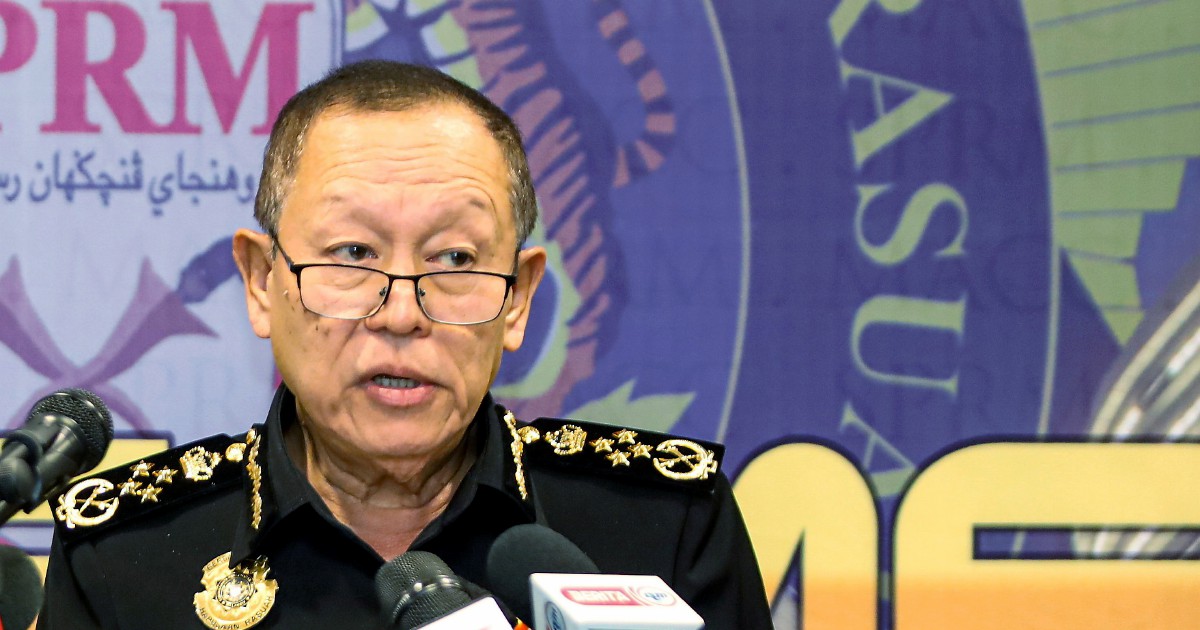
The Malaysian Anti-Corruption Commission (MACC) has formally launched an investigation into suspected irregularities affecting an approximately RM80 million replanting initiative at Felda Palong 7, situated in Wilayah Raja Alias within Negeri Sembilan. This move signals renewed scrutiny over financial management and project execution within federal land development schemes, which have historically served as pathways for rural economic advancement across the country.
Felda Palong 7, like other estates under the Federal Land Development Authority network, plays a significant role in Malaysia's agricultural economy and provides livelihoods for thousands of smallholder farmers. The replanting project represents a substantial capital investment designed to refresh aging palm oil plantations and maintain productivity in an increasingly competitive global market. Such initiatives typically involve complex procurement processes, contractor engagement, and resource allocation across multiple phases, making them susceptible to procedural lapses if oversight mechanisms falter.
The decision to open a formal investigation paper indicates that credible information regarding potential discrepancies has reached the MACC's attention. These could encompass various irregularities ranging from procurement irregularities and contract award processes to budget overruns and project delivery delays. The commission's involvement suggests that preliminary assessments deemed the allegations sufficiently serious to warrant formal investigative procedures rather than mere administrative inquiries.
Felda, as a statutory body operating under the Ministry of Rural Development, manages thousands of hectares of land cultivated primarily for palm oil production. The organisation operates across multiple states and coordinates activities affecting thousands of settler families whose economic welfare depends directly on the productivity and financial health of their respective estates. Replanting projects, though essential for maintaining yields, demand rigorous financial controls given their scale and the number of stakeholders involved.
The timing of this investigation reflects broader efforts across Malaysian institutions to strengthen governance standards and accountability in state-linked enterprises and development schemes. Recent years have witnessed heightened public and regulatory attention to financial management practices within agencies responsible for substantial public resources. This investigation aligns with those efforts to ensure that development initiatives deliver intended benefits without wastage or irregular practices.
Replanting operations within palm oil estates constitute capital-intensive undertakings that typically span several years. They involve clearing mature palms, soil preparation, procurement of new seedlings, planting, maintenance, and eventual harvesting cycles that extend a decade or longer before full returns materialise. The complexity of managing such projects across dispersed locations while maintaining cost controls and quality standards requires sophisticated project management and financial oversight structures.
The RM80 million figure attached to this project underscores its significance within Felda's operational budget and development portfolio. Resources of this magnitude demand transparency in decision-making processes, documentation of expenditures, and adherence to established procurement protocols. Any divergence from approved procedures—whether through collusion, negligence, or systemic lapses—warrants investigation to protect public assets and maintain institutional integrity.
For Malaysian readers and observers of agricultural development policy, this investigation highlights the ongoing tension between executing large-scale infrastructure projects efficiently and maintaining rigorous oversight mechanisms. Felda projects typically benefit rural communities directly, making their proper execution vital for regional development objectives. Conversely, inadequate governance structures can undermine these intended benefits and divert resources away from farmers and estate communities who depend on healthy organisation finances.
The investigation's scope and findings will likely influence how similar projects are structured, monitored, and evaluated across the Felda network going forward. Should irregularities be substantiated, recommendations may emerge regarding enhanced financial controls, independent audit procedures, or revised project approval processes. Conversely, if investigations reveal systemic weaknesses rather than individual misconduct, broader organisational reforms might follow.
Southeast Asian agricultural sectors have witnessed increased pressure to demonstrate professional governance standards, partly reflecting international investment considerations and sustainability certification requirements. Replanting initiatives like Felda Palong 7 occur within this broader context where operational transparency and financial accountability directly affect market access, certification status, and stakeholder confidence. The MACC investigation thus carries implications extending beyond Negeri Sembilan to influence perceptions of governance quality within Malaysia's agricultural development framework more broadly.

