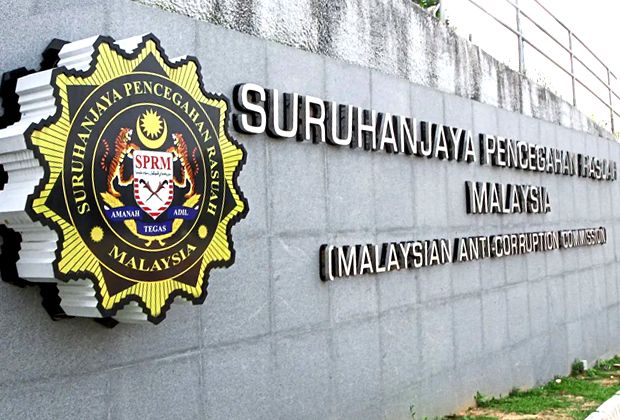
The Malaysian Anti-Corruption Commission has rescinded freezing orders that had immobilised the bank accounts of Rohas Tecnic and its subsidiary HGPT, along with personal accounts held by current and former company officers. The decision marks a significant development in what appears to be a compliance matter involving the telecommunications and power transmission tower manufacturer, bringing relief to a publicly listed firm that had faced operational constraints following asset seizures initiated in mid-October.
Rohas Tecnic disclosed the revocation through a filing with Bursa Malaysia, confirming that all previously frozen accounts have been unfrozen and the company may now conduct banking operations freely. The lifting of restrictions, which had applied to corporate and personal accounts alike, effectively allows management to restore routine business transactions that would have been hampered during the freeze period. This is particularly significant for a company involved in critical infrastructure, where cash flow management is essential for project execution and supplier payments.
The original freezing orders were issued on October 17, 2025, under provisions of the Anti-Money Laundering, Anti-Terrorism Financing and Proceeds of Unlawful Activities Act 2001 (AMLA), affecting not only Rohas Tecnic and HGPT but also another subsidiary, Rohas-Euco Industries Bhd (REI). The initial action had been framed as precautionary under sections designed to combat financial crimes and terrorist financing, reflecting standard protocol when authorities identify transactions or account patterns warranting closer examination.
The timeline of revocation reveals a relatively rapid resolution process. While Rohas Tecnic and HGPT received formal revocation orders from the Deputy Public Prosecutor on November 26, 2025, Rohas-Euco Industries had already obtained revocation confirmation from the MACC itself the previous day. This staggered approach suggests that the various entities may have been handled through different procedural pathways within the anti-corruption and prosecutorial framework, potentially indicating varying complexity in the cases or different triggers for the original seizures.
For Malaysian investors and the broader business community, such actions serve as reminders of the regulatory scrutiny that public companies face, particularly those handling significant cash flows or engaged in infrastructure projects. The swift revocation, however, suggests that authorities found no substantive grounds for continued asset freezes once the matter was examined more thoroughly. This pattern—initial precautionary action followed by relatively prompt release—is not uncommon in anti-money laundering enforcement, where investigators may cast wider nets initially before narrowing focus based on actual findings.
Rohas Tecnic's position in Malaysia's infrastructure sector makes the resumption of normal banking operations material for stakeholders. The company manufactures and supplies power transmission and telecommunications towers, products essential to Malaysia's efforts to expand broadband connectivity and upgrade electrical grids. Project delays caused by account freezes can have downstream effects on infrastructure development timelines, making swift resolution beneficial for the broader economy.
The revocation notices came from two different legal authorities—the Deputy Public Prosecutor and the MACC itself—indicating that AMLA investigations may involve multiple institutional players. Understanding this framework is important for companies that might face similar situations. The existence of different sections within AMLA, coupled with the involvement of prosecutorial discretion, means that outcomes can vary based on which legal pathway is pursued and what evidence ultimately emerges.
Publicly listed companies in Malaysia are particularly sensitive to regulatory actions because of their obligation to disclose material events to shareholders and the stock exchange. Rohas Tecnic's transparency in announcing both the initial seizures and their subsequent revocation reflects good corporate governance, even though the matter itself likely generated concerns among investors about operational continuity and financial stability. The swift resolution should provide reassurance about the company's standing.
The broader implications for Malaysia's anti-corruption enforcement landscape merit consideration. The MACC and prosecutors must balance the need to investigate suspicious financial activity against the risk of imposing undue hardship on legitimate businesses. The relatively quick revocation in this case suggests that authorities recognised the absence of compelling justification for maintaining the freeze, a healthy sign that the system includes checks against prolonged unjustified asset immobilisation. For companies operating in Malaysia, the lesson is that while AMLA compliance and financial transparency remain non-negotiable, wrongful freezes can be contested and reversed through proper legal channels.

