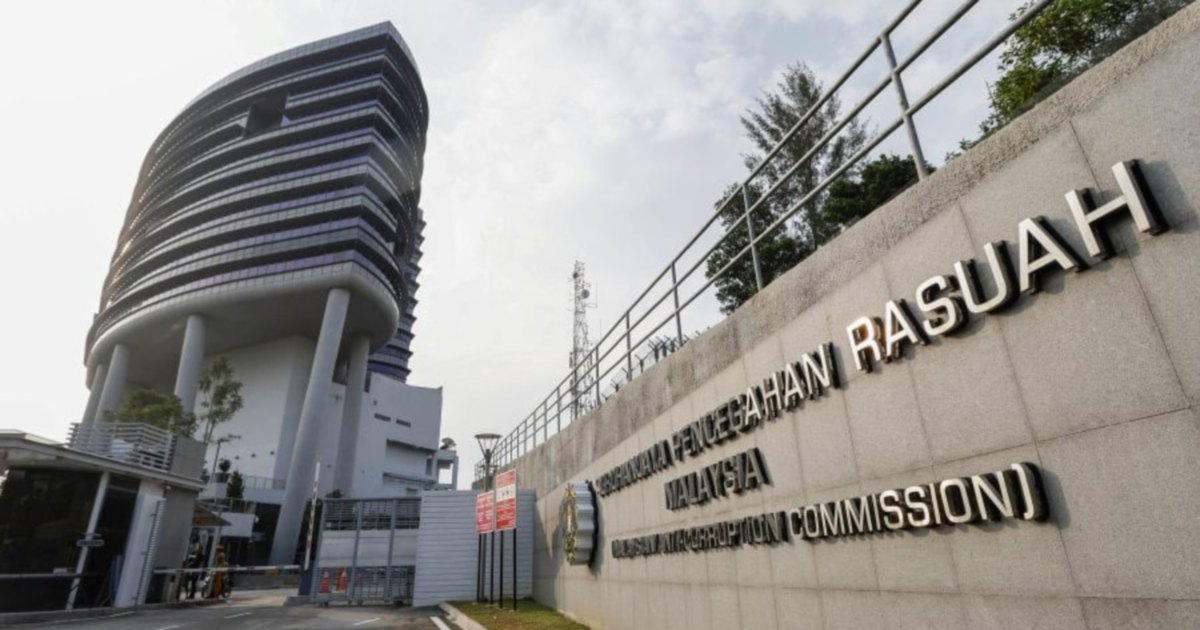
The Malaysian Anti-Corruption Commission has intensified scrutiny of a major investment mishap involving the country's pension fund, with investigators conducting a formal visit to the Retirement Fund Inc headquarters in Kuala Lumpur this week. The inquiry centres on the fund's exposure to eFishery, an Indonesian aquaculture technology company, where the institution suffered reported losses totalling RM200 million. This development marks a significant escalation in the examination of how public retirement savings were deployed in what appears to have been a high-risk venture abroad.
The MACC's decision to personally visit KWAP's administrative offices signals the seriousness with which authorities are treating the matter. Such on-site investigations typically involve reviewing internal documentation, interviewing personnel responsible for investment decisions, and assessing governance procedures that may have failed to prevent the substantial capital loss. The timing of the inspection underscores growing concern within regulatory circles about the stewardship of retirement assets held in trust for millions of Malaysian workers across both public and private sectors.
eFishery, the target of KWAP's investment, operates in Indonesia's rapidly expanding aquaculture sector, an industry that has attracted considerable venture capital and institutional funding across Southeast Asia in recent years. The Indonesian firm positions itself as a technology-driven solution for fish farming operations, leveraging digital platforms and supply chain innovation. However, the investment appears to have deteriorated significantly, resulting in the substantial financial impact now under investigation. This case raises critical questions about due diligence practices and risk assessment procedures employed when Malaysian institutional investors evaluate emerging-market ventures.
For Malaysian readers, the implications of this probe extend beyond mere corporate governance failures. KWAP manages retirement contributions from civil servants and other eligible workers, making it a custodian of financial security for a substantial portion of the workforce planning for post-employment life. Any mismanagement or procedural lapses in capital deployment directly affect the purchasing power and financial stability of future retirees. The RM200 million loss represents real purchasing power that would have otherwise accumulated through returns and compound growth over decades.
The investigation also reflects broader concerns about how Malaysian institutional capital is allocated regionally. Southeast Asian markets, while offering growth opportunities, present distinct risks including regulatory uncertainty, currency volatility, and operational challenges that may not be adequately understood by fund managers accustomed to domestic investment environments. The eFishery case may prompt other Malaysian pension funds and institutional investors to reassess their exposure to Indonesian and broader Southeast Asian technology ventures, potentially affecting capital flows across the region.
Given MACC's involvement, the inquiry encompasses potential questions of whether investment decisions were made improperly, whether conflicts of interest influenced the allocation of retirement funds, or whether adequate governance frameworks existed to prevent such significant losses. The anti-corruption dimension suggests investigators may be examining whether processes were deliberately circumvented or whether oversight mechanisms failed due to negligence or structural weaknesses. Such determinations carry implications for both individual accountability and systemic reform within Malaysian institutional fund management.
The incident illuminates a particular vulnerability in how institutional investors in developing economies engage with early-stage ventures in adjacent markets. While appetite for growth-oriented investments is understandable given long-term horizons and compounding needs, the concentration of substantial capital in single foreign technology companies presents risks that may have been underestimated. The aquaculture technology sector, despite genuine promise, remains relatively nascent and unproven at scale, especially when viewed through the lens of institutional capital preservation obligations.
Stakeholder reactions to the MACC investigation will likely be mixed. Pensioners and contributing workers may demand greater transparency about investment strategies and risk management, while investment professionals may emphasise the necessity of seeking higher returns to meet long-term pension obligations in an environment of modest domestic yields. Policymakers face the challenge of balancing fiduciary responsibility with the legitimate need for Malaysian institutions to diversify geographically and sector-wise to achieve actuarial targets.
The coming weeks will prove critical as MACC's investigation unfolds, with particular attention to recommendations that may emerge regarding internal control enhancements, approval processes for international investments, and oversight mechanisms. Beyond the immediate investigation, this episode will likely trigger broader policy discussions about how Malaysian retirement funds should navigate emerging market opportunities while maintaining capital preservation standards appropriate to their custodial role. The outcome may set precedents affecting how other institutional investors approach foreign venture capital allocation going forward.

