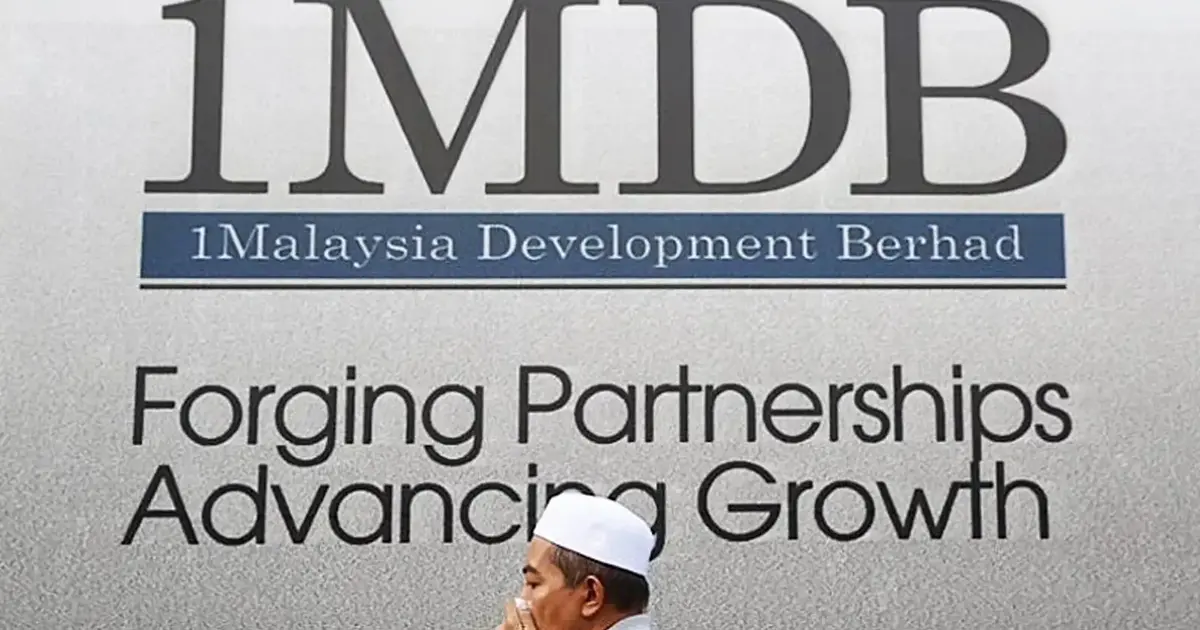
The Malaysian Anti-Corruption Commission has commenced a formal investigation into a portfolio of overseas properties valued at approximately RM59 million that are said to have links to the infamous 1MDB scandal. According to MACC chief Abd Halim Aman, the agency is examining multiple dimensions of potential wrongdoing, including corruption, money laundering, and the recovery of misappropriated assets. This development represents a fresh chapter in the protracted legal and investigative efforts surrounding one of Southeast Asia's most significant financial scandals.
The 1MDB affair, which unravelled over the past decade, revealed a sophisticated scheme involving the misappropriation of billions of dollars from a state investment fund. Throughout Malaysia, Singapore, and other jurisdictions, investigators have traced assets purchased with allegedly stolen funds across residential properties, luxury goods, and financial instruments. The current MACC probe into these specific overseas properties suggests that authorities continue to identify previously unaccounted-for holdings that may have been acquired through illicit channels.
The involvement of luxury properties in such investigations carries particular significance for Malaysia's financial integrity. High-value real estate has long served as a preferred vehicle for concealing the origins of suspect wealth, offering apparent legitimacy while being geographically distant from regulatory scrutiny. Foreign jurisdictions often prove more complex to navigate, requiring international cooperation and legal frameworks that differ substantially from Malaysian standards. The MACC's decision to prioritize this portfolio indicates confidence in establishing sufficient evidence to pursue asset recovery across borders.
Abd Halim Aman's public acknowledgement of the investigation signals the agency's commitment to comprehensive accountability in the 1MDB matter despite years having passed since the scandal's initial exposure. The MACC's approach encompasses not merely prosecution of individuals but systematic asset tracing and recovery efforts designed to return misappropriated funds to Malaysian coffers. This multifaceted strategy reflects international best practices in combating large-scale financial crimes involving cross-border transactions and sophisticated concealment mechanisms.
Money laundering allegations form a critical component of the investigation framework. The process of converting unlawfully obtained funds into apparently legitimate assets through property acquisition represents a textbook example of how criminal proceeds enter the formal economy. By acquiring high-value properties overseas, individuals involved in the 1MDB scheme could distance themselves from immediate suspicion while maintaining access to wealth. International financial institutions and real estate markets, despite strengthened compliance measures in recent years, can still present vulnerabilities that sophisticated actors exploit.
The corruption dimension of the MACC investigation likely encompasses the role of officials, intermediaries, and service providers who facilitated the acquisition and concealment of these properties. Such investigations typically reveal networks of complicity extending beyond the principal actors to include lawyers, accountants, financial advisors, and banking professionals. Understanding the full architecture of these schemes becomes essential not only for prosecutorial purposes but for identifying systemic weaknesses in oversight mechanisms that allowed such activities to persist undetected for extended periods.
Asset recovery represents perhaps the most consequential aspect of this investigation for Malaysia's public interest. The RM59 million in properties identified constitute only a fraction of the total 1MDB losses, but successfully recovering and repatriating these assets would represent meaningful progress in restoring misappropriated state resources. Several countries have already recovered portions of 1MDB-linked assets through civil proceedings and criminal forfeitures, though the process has often been protracted and subject to procedural complexities in foreign legal systems.
The investigation's international dimension underscores the necessity for coordinated enforcement across multiple jurisdictions. Properties situated in countries with varying legal traditions, transparency standards, and bilateral cooperation arrangements with Malaysia require tailored approaches. Some nations have proven particularly receptive to Malaysian requests for assistance, while others present greater procedural obstacles. The MACC's capacity to navigate these complexities effectively will substantially influence the ultimate success of asset recovery efforts.
For Malaysian policymakers and regulatory bodies, this investigation offers renewed impetus to strengthen preventive mechanisms against similar schemes. Although numerous reforms have been implemented since 1MDB's exposure—including enhanced beneficial ownership disclosure requirements and improved inter-agency coordination—persistent gaps remain. The continued identification of undiscovered linked assets suggests that detection and prevention systems, both domestically and internationally, require ongoing refinement and resource allocation.
The 1MDB scandal has profoundly shaped Malaysia's governance narrative domestically and its reputation internationally. Each new development in investigations and asset recovery efforts carries symbolic significance for public confidence in institutional accountability. The MACC's active pursuit of these overseas properties demonstrates that despite the passage of time, the state apparatus remains committed to addressing the scandal's remaining dimensions, even as complexities mount with the involvement of foreign jurisdictions and property markets.
Stakeholders in Malaysia's financial sector and civil society continue monitoring these developments closely. The investigation may also inform ongoing discussions about strengthening international cooperation frameworks, improving transparency in real estate transactions, and enhancing the capacity of anti-corruption agencies to pursue sophisticated cross-border cases. As the MACC proceeds with its examination, the outcomes will likely influence both domestic and regional approaches to combating financial crime and recovering stolen assets.

