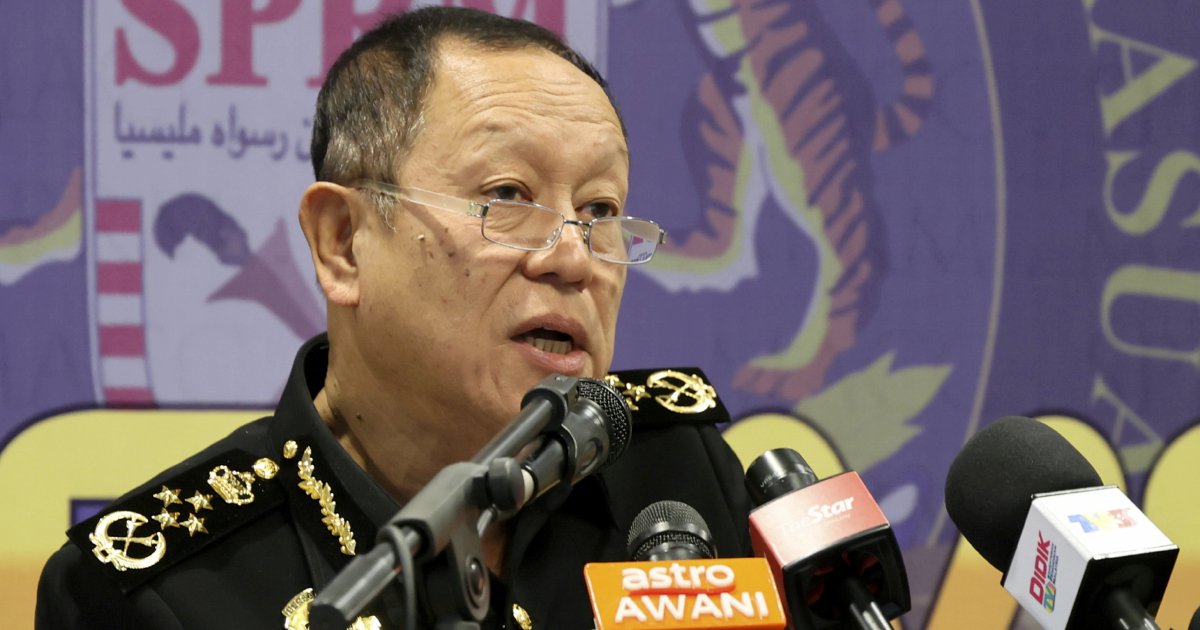
The Malaysian Anti-Corruption Commission (MACC) has commenced its formal investigation into allegations outlined in the Royal Commission of Inquiry (RCI) report on Tabung Haji, marking a significant escalation in scrutiny of the Islamic pilgrimage savings fund. This development comes as investigators were dispatched to Tabung Haji's headquarters in Putrajaya to begin gathering evidence and conducting initial inquiries into the matters raised during the RCI proceedings.
Tabung Haji, a crucial financial institution that manages savings for millions of Malaysians planning to perform the Hajj pilgrimage, has faced mounting questions about its management practices and investment decisions in recent years. The RCI, established to examine governance and operational concerns, completed its investigation and submitted findings that have now triggered this formal MACC probe. The commission's decision to send a dedicated team to TH headquarters underscores the seriousness with which authorities are treating the allegations.
For Malaysian Muslims who have entrusted their hard-earned savings to Tabung Haji, this development carries significant implications. The institution manages funds belonging to approximately three million account holders, with accumulated savings representing a substantial portion of household wealth for many families. Any mismanagement or governance failures could directly impact the financial security of these depositors, making the investigation particularly consequential for the broader public interest.
The transition from the RCI's fact-finding phase to active MACC investigation suggests that the inquiry uncovered evidence warranting criminal prosecution consideration. The RCI process, typically more focused on establishing facts and making recommendations, has yielded findings sufficiently substantive that the anti-corruption agency determined formal investigative procedures were warranted. This administrative escalation indicates the gravity of concerns identified in the commission's report.
Regional observers note that governance questions at major financial institutions serving Muslim populations carry implications extending beyond individual countries. Tabung Haji's role as a trusted repository for pilgrim savings elevates the reputational stakes for Malaysia's financial regulatory framework and Islamic banking sector more broadly. The investigation's conduct and outcomes will likely influence confidence in similar institutions across Southeast Asia.
The MACC's investigative approach typically involves document examination, witness interviews, and forensic financial analysis. By establishing presence at TH headquarters, investigators can access records directly, interview staff members, and establish timelines for transactions and decisions flagged in the RCI report. The on-site presence also signals to institution leadership and employees the investigation's priority status within the commission's caseload.
Tabung Haji's governance structure and investment strategy have been subjects of public debate for some time. The institution's performance relative to conventional savings vehicles, its real estate investments, and senior management decisions regarding fund deployment have attracted criticism from financial analysts and depositor advocacy groups. The RCI appears to have examined these operational dimensions in detail before submitting its conclusions.
The investigation's scope likely encompasses several potential areas of concern including asset management decisions, procurement practices, employment matters, and fiduciary obligations. MACC investigators will need to determine whether conduct violated statutory requirements, breached fiduciary duties, or constituted criminal misconduct. The threshold for initiating formal investigation suggests the RCI report identified conduct potentially crossing into prosecutable territory.
For Malaysia's Islamic finance sector, which has positioned itself as a regional leader in Sharia-compliant financial services, maintaining rigorous governance standards is essential. Tabung Haji, as a high-profile institution with direct depositor relationships, operates under public scrutiny more intense than conventional financial entities. Any findings of governance lapses could ripple through investor confidence in Islamic financial instruments generally, particularly among retail investors and pilgrim savers.
The investigation arrives amid broader global focus on transparency in Islamic financial institutions. International standards for Islamic banking have become increasingly stringent, with regulators and industry bodies emphasizing governance, risk management, and depositor protection. Malaysia's handling of this investigation will be observed by regional financial authorities and international Islamic finance networks as a test case for institutional accountability.
Depositers and the public await clarity on the specific allegations being investigated. While the RCI report likely contains detailed findings, the MACC investigation will determine whether those findings constitute evidence of criminal conduct or procedural violations. The investigation's timeline remains undefined, though such investigations typically require several months to complete depending on complexity and witness availability.
As the investigation unfolds, communication from MACC and Tabung Haji leadership regarding the process and timeline will be crucial for maintaining public confidence. The institution's depositors—many of whom have committed funds based on trust in management and regulatory oversight—will be looking for assurance that their savings remain secure and that accountability mechanisms are functioning effectively.

