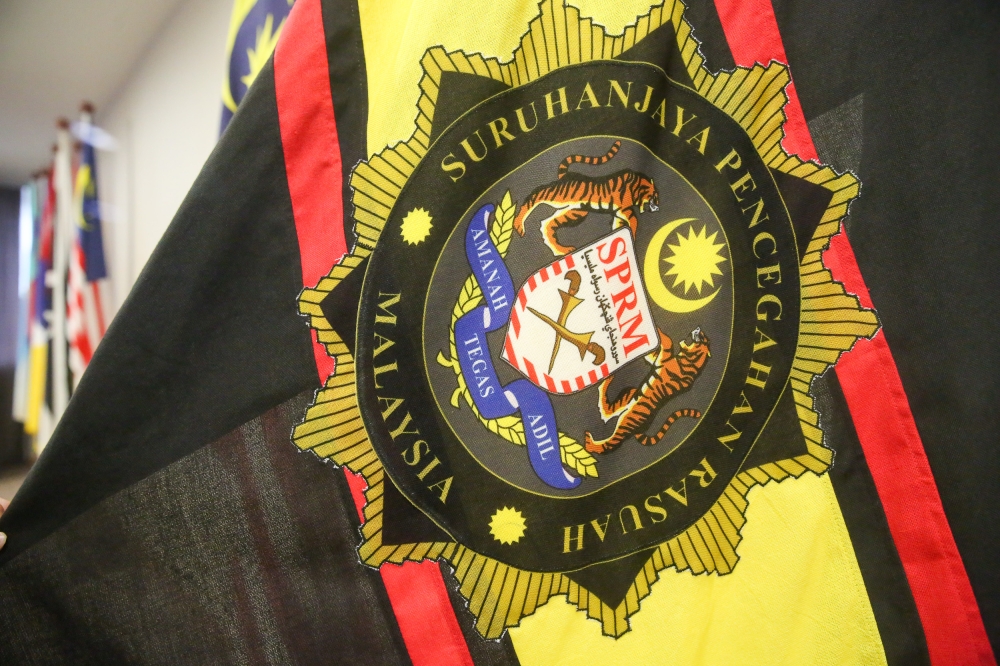
The Malaysian Anti-Corruption Commission has taken a former estate manager into custody as part of an expanding investigation into an RM8 million rubber sapling supply arrangement, authorities confirmed on Monday. The detention centres on a commercial transaction that has attracted scrutiny from the Tabung Haji Royal Commission of Inquiry, which has been examining governance lapses and alleged financial irregularities at Malaysia's pilgrimage savings institution.
The suspect, who previously managed estate operations for a rubber sapling supply company based in the Klang Valley region, now faces questioning regarding the circumstances surrounding the substantial transaction. Investigators are examining whether proper procurement procedures were followed and whether the supply arrangement represented fair value for the Malaysian pilgrimage fund. The focus on this particular transaction reflects growing concerns about how Tabung Haji's funds were deployed during the period under the Royal Commission's scrutiny.
Tabung Haji, one of Malaysia's largest financial institutions serving millions of Muslim depositors saving for the hajj pilgrimage, has come under intense scrutiny following revelations of significant investment losses and governance shortcomings. The Royal Commission of Inquiry was established to investigate the institutional failures and financial decisions that contributed to the loss of billions in depositor funds. The rubber sapling transaction represents one of numerous commercial arrangements now being examined as investigators trace the path of institutional funds.
The rubber sapling sector has been linked to several controversial transactions involving government-linked companies and institutions in recent years. Supply arrangements in this sector, whether for replanting initiatives or commercial purposes, have occasionally been used to channel funds through seemingly legitimate business channels. The MACC's focus on the supply chain documentation and the justification for the RM8 million valuation suggests investigators believe the transaction may have involved inflated pricing or procurement irregularities.
The detention and questioning of the former estate manager indicates that investigators believe individuals involved in facilitating the transaction possess knowledge of how the arrangement was structured and approved. In financial misconduct investigations of this scale, securing cooperation from operational staff often proves crucial to establishing a clear chain of decision-making and identifying where oversight mechanisms failed. The former manager's operational role would have provided insights into how the transaction was processed within the supply company's systems.
Clang Valley's rubber processing and supply industry, while legitimate on the surface, has historically served as a location for various commercial transactions involving institutional buyers. The geographic concentration of rubber-related businesses in this region, combined with the relative complexity of supply chain arrangements, has made it an area where investigators frequently detect anomalies in institutional procurement. The MACC's attention to this particular Klang Valley operation suggests specific irregularities emerged during preliminary investigations.
The Royal Commission of Inquiry's mandate extends beyond mere financial losses to examining the decision-making processes that authorised substantial expenditures. The RM8 million allocation to rubber sapling supply falls within the scope of transactions the Royal Commission believes warrant detailed scrutiny. As the investigation progresses, other individuals involved in approving, authorising, or facilitating the transaction may face similar detention and questioning.
For Malaysian depositors in Tabung Haji, revelations of questionable transactions underscore the importance of institutional accountability and transparent governance in managing collective savings. The institution serves as the primary vehicle through which millions of Malaysian Muslims accumulate funds for one of Islam's Five Pillars, making the integrity of its operations a matter of significant national and religious importance. Investigations into individual transactions contribute to a broader understanding of systemic governance failures.
The rubber sapling transaction investigation also carries implications for how Malaysian institutions manage procurement and vendor relationships. If investigators establish that the transaction involved inflated pricing or circumvented standard competitive bidding procedures, it would highlight weaknesses in institutional purchasing controls. Such findings could influence future policy discussions regarding oversight mechanisms for government-linked entities and large institutional buyers.
As the MACC continues its investigation, the detention of the former estate manager represents a significant step toward establishing the full chain of responsibility for the RM8 million transaction. Investigators will likely focus on documenting communications, internal approvals, and financial flows connected to the arrangement. The cooperation or resistance of individuals at various operational levels will substantially influence the investigation's scope and duration.
The Royal Commission of Inquiry's work extends beyond individual prosecutions to developing comprehensive recommendations for institutional reform. The examination of transactions like the rubber sapling supply arrangement feeds into a larger assessment of how Tabung Haji's governance structures failed to prevent or detect irregular transactions. These findings will eventually inform policy recommendations aimed at strengthening oversight and accountability within major Malaysian institutions managing collective funds.

