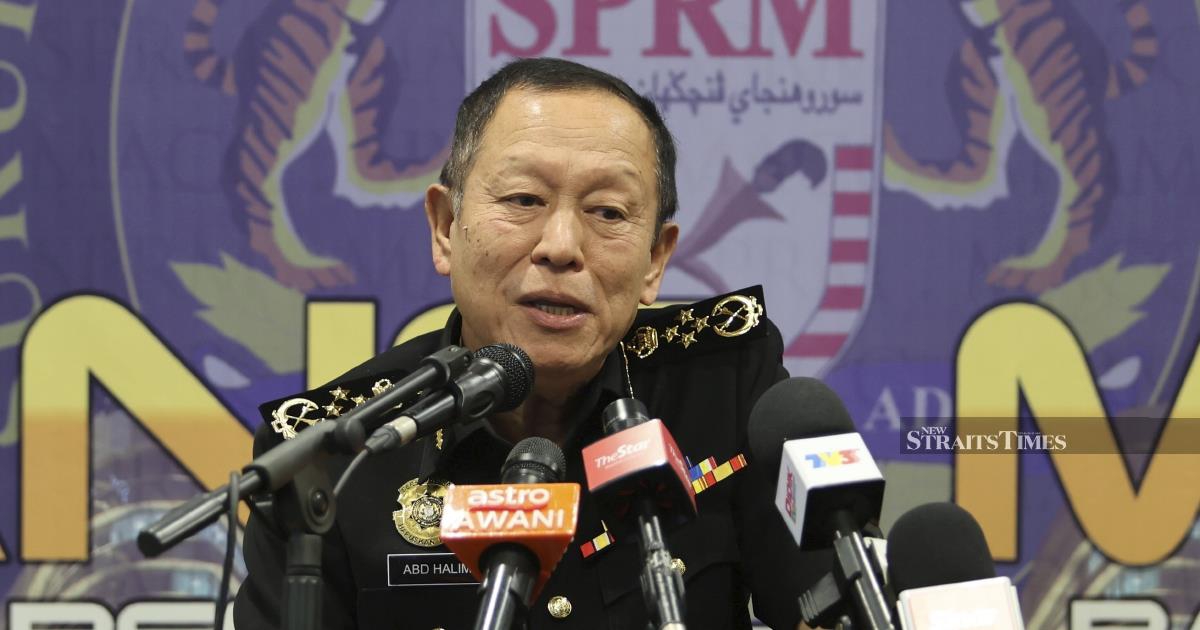
The Malaysian Anti-Corruption Commission (MACC) is deepening its examination of a significant financial transaction involving the Retirement Fund (Incorporated) (KWAP) after collecting formal statements from ten witnesses, a substantial number of which hold senior positions within the pension fund and Malaysia's Ministry of Finance. The investigation centres on KWAP's RM200 million allocation into eFishery, an Indonesian company specialising in aquaculture technology, which has drawn scrutiny over its prudence and governance implications.
The decision to interview multiple high-ranking officials underscores the scale and complexity of KWAP's exposure to this investment, signalling that investigators are examining the decision-making architecture that permitted such a sizable commitment. This multi-witness approach is typical in corruption inquiries involving substantial sums of public money managed by retirement funds, where accountability chains often extend across multiple institutional layers. The fact that both KWAP personnel and Finance Ministry representatives have been called suggests the probe is examining whether appropriate inter-ministerial oversight and approval processes were followed.
KWAP, which manages retirement savings for around 600,000 contributors, occupies a crucial position in Malaysia's social safety net for public sector pensioners. The fund's investment strategy therefore carries weight far beyond typical commercial considerations—it directly affects the financial security of retirees and pensioners across the country. Any questionable allocation decisions could undermine confidence in how KWAP stewards these accumulated reserves, particularly given that many contributors have limited means to recover losses independently.
The eFishery investment represents a bold diversification attempt into Southeast Asian fintech and agricultural technology, reflecting broader trends among regional funds seeking higher-yield opportunities beyond traditional bond and equity markets. However, exposure to Indonesian technology ventures introduces both currency and operational risks that require rigorous due diligence. The investigation's focus suggests questions may exist about whether such due diligence was adequate, whether valuation methodologies were sound, and whether risk assessments properly considered eFishery's market maturity and regulatory environment.
For Malaysian investors and retirees monitoring KWAP's decisions, this inquiry carries immediate relevance. Investment decisions made by large institutional funds influence market confidence and can either affirm or undermine the integrity of pension fund management across the region. If improprieties are substantiated, they could prompt broader questions about governance standards within similar funds elsewhere in Southeast Asia, potentially influencing how other Malaysian and regional funds approach international venture investments.
The decision-making timeline leading up to this RM200 million commitment appears central to investigators' focus. Understanding who recommended the investment, what supporting analysis was presented to KWAP's decision-making bodies, and whether appropriate competitive bidding or evaluation occurred are standard lines of inquiry in such cases. The involvement of Finance Ministry witnesses hints that approval at that level was either sought or might have been relevant to evaluating whether the fund operated within its mandate.
EFishery's background as an Indonesian aquaculture technology platform adds another investigative dimension. Malaysian authorities would be examining whether sufficient verification occurred regarding the company's actual operations, revenue streams, management quality, and regulatory standing within Indonesia. Cross-border investments require heightened scrutiny precisely because verification becomes more challenging and local knowledge more crucial—gaps in due diligence in such circumstances can leave funds particularly vulnerable to misrepresentation.
The statement-gathering phase indicates the investigation has progressed beyond preliminary assessment to substantive evidence collection. This progression typically precedes more formal enforcement action, though outcomes can range from findings of administrative lapses to serious wrongdoing depending on what the statements and supporting documentation reveal. The witnesses being interviewed would provide crucial insights into the approval processes, deliberation records, and communications that preceded the decision.
For Malaysia's broader investment climate, how this investigation concludes matters significantly. Pension funds and retirement vehicles operate as anchors of financial stability, and maintaining public confidence in their governance directly affects both contribution rates and market stability. If the investigation finds systematic failures or intentional misconduct, it could necessitate governance reforms across multiple institutions managing public retirement savings.
The international dimension also warrants attention. Southeast Asian funds increasingly deploy capital across the region, and if Malaysian institutions are discovered to have made questionable investments with inadequate due diligence, it may prompt stricter oversight of cross-border allocations by other regional funds. Conversely, a thorough investigation demonstrating Malaysia's commitment to accountability could strengthen investor confidence in the region's institutional governance standards.
As the MACC's inquiry progresses through this evidence-gathering phase, the statements being collected will likely form the evidentiary foundation for determining whether the eFishery investment involved any breach of fiduciary duty, financial regulations, or anti-corruption statutes. The diversity of witnesses—spanning both the investing institution and the supervising ministry—suggests investigators are methodically reconstructing the complete approval pathway to identify where, if anywhere, proper procedures may have been circumvented or standards compromised.

