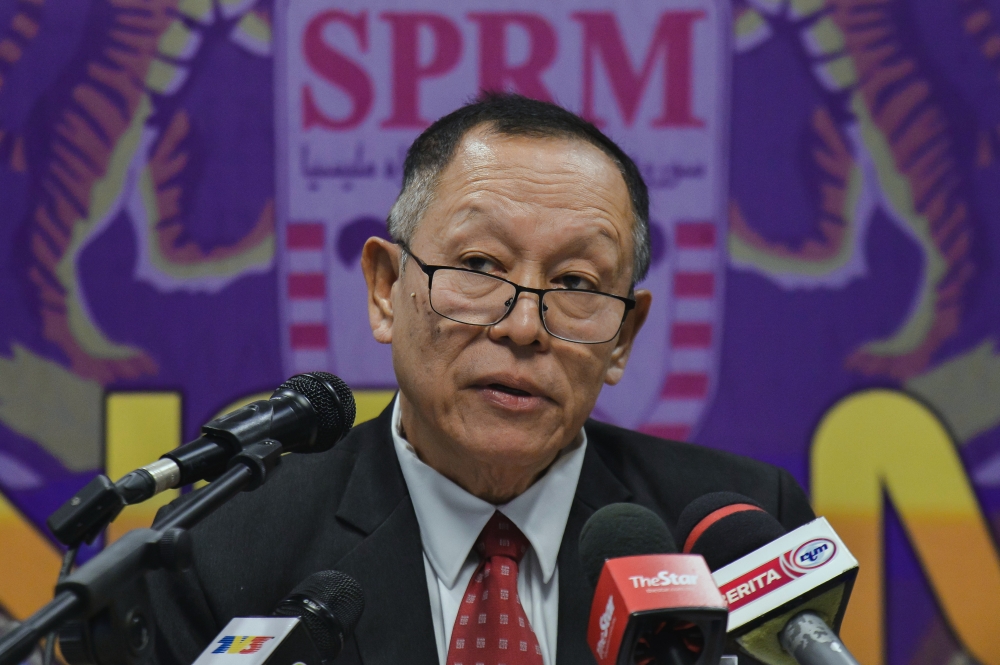
The Malaysian Anti-Corruption Commission is contemplating bringing in foreign forensic specialists to help unravel the expanding complexity surrounding Tabung Haji, the country's Islamic pilgrimage savings scheme. This development emerges after investigators have already conducted extensive questioning of 115 witnesses and placed seven individuals under detention as part of their examination into potential wrongdoing affecting the fund. The decision to seek external expertise signals how intricate and multifaceted the probe has become, requiring skills and resources that may extend beyond the commission's current capacity.
Tabung Haji, formally known as the Lembaga Tabung Haji, represents one of Malaysia's most significant financial institutions, managing savings from millions of Muslims saving towards their hajj pilgrimage to Mecca. The fund plays a crucial economic role beyond its religious significance, with substantial assets and complex financial operations spanning domestic and international markets. Any investigation touching the fund carries implications far beyond individual cases, affecting public confidence in institutions managing religious endowments and savings schemes that are central to Malaysian Muslim life.
The breadth of witness interviews already conducted—115 individuals—demonstrates how deeply the investigation has penetrated Tabung Haji's operations and decision-making structures. These witnesses likely include current and former employees at various hierarchical levels, external business partners, financial advisors, and potentially individuals involved in governance and oversight functions. The number itself suggests investigators are mapping networks of influence and decision-making rather than pursuing a narrow or straightforward case of corruption.
The detention of seven suspects indicates the investigation has moved beyond preliminary inquiry into substantive action against individuals believed to possess crucial knowledge or involvement. In Malaysian practice, detention under MACC procedures allows for sustained questioning and evidence gathering, though it remains subject to court oversight and time limitations. The identity and positions of these individuals within Tabung Haji would provide crucial insight into whether investigators are targeting operational staff, management, board-level decision-makers, or external parties who may have influenced the fund's actions.
Consideration of foreign forensic assistance reflects practical realities facing complex financial investigations in the modern era. International forensic specialists bring expertise in tracing financial flows across borders, uncovering sophisticated accounting irregularities, analyzing digital evidence, and understanding cross-jurisdictional financial architecture. Given that investment funds like Tabung Haji typically maintain international portfolios and may have conducted transactions through offshore entities or foreign financial institutions, accessing external expertise could prove essential for comprehensively mapping the financial transactions under investigation.
The reliance on international forensic capacity also acknowledges that certain investigations may require engagement with foreign authorities or institutions that hold relevant records and information. Cooperation frameworks with counterpart agencies in countries where Tabung Haji holds assets or conducts transactions would likely facilitate more thorough evidence gathering. Such collaboration has become standard practice in modern anti-corruption work, recognizing that financial crime frequently transcends national boundaries and requires coordinated international response.
For Malaysian investors and the broader Muslim community who depend on Tabung Haji, the continuation and intensification of this investigation carries mixed implications. The comprehensive approach being taken suggests authorities are committed to establishing facts thoroughly rather than pursuing expedient conclusions. However, prolonged investigation also creates uncertainty about the fund's governance and operational integrity that could influence public confidence and participation levels. Transparency regarding investigation progress, while respecting due process, becomes important for managing stakeholder concerns.
The investigation's trajectory also carries significance for how Malaysia approaches corporate governance and accountability in state-linked institutions. Tabung Haji occupies unique status as a religious institution with substantial public trust and resources, yet operating within a commercial framework. The investigation implicitly raises questions about oversight mechanisms, board independence, internal audit functions, and whistleblower protections—matters relevant across Malaysia's broader governance landscape. Lessons derived from this case could inform strengthening of governance frameworks across similar institutions.
From a regional perspective, Malaysia's willingness to pursue a major financial investigation involving potentially influential figures and a significant public institution demonstrates commitment to accountability standards that comparable nations in Southeast Asia are increasingly adopting. The engagement of international forensic expertise aligns Malaysia with global best practices in investigating complex financial crimes, potentially strengthening the country's standing among international partners concerned with anti-corruption efforts and financial transparency.
The decision to consider foreign forensic involvement also signals that whatever findings ultimately emerge from this investigation will carry enhanced credibility through international verification and methodology. In cases involving public institutions and significant financial stakes, the independent validation that international forensic specialists provide can help ensure that conclusions withstand scrutiny and contribute to confidence in Malaysian institutions' commitment to accountability and integrity.

