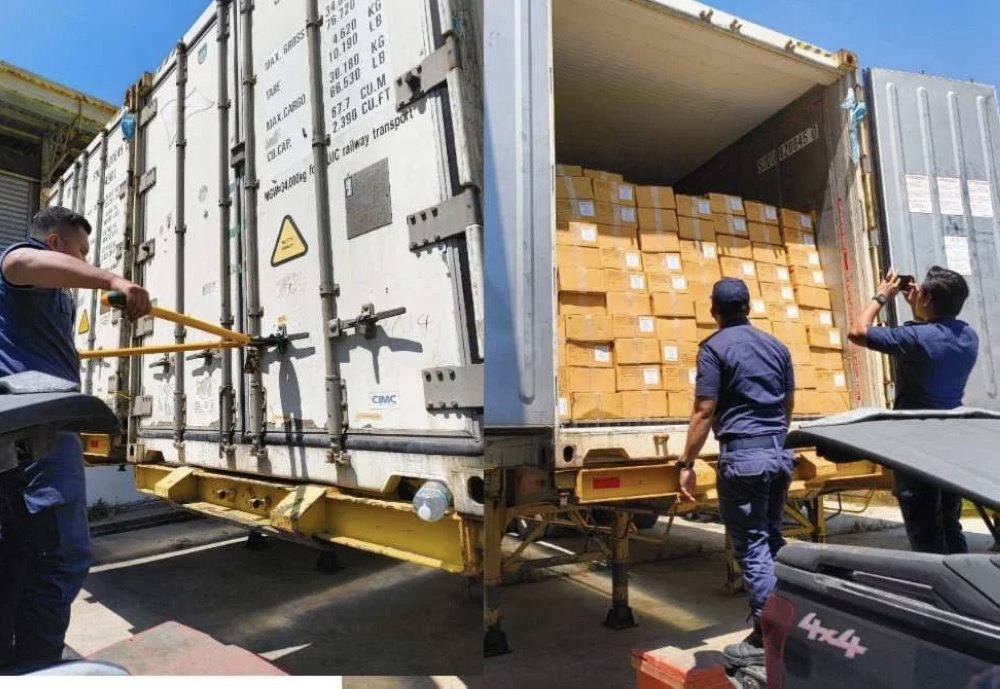
Authorities in Malaysia have moved decisively against an organised smuggling operation that was importing frozen poultry from China without proper licences or regulatory oversight. The Malaysian Anti-Corruption Commission conducted the enforcement action, codenamed Operation Chick, targeting what investigators describe as a sophisticated network that had been circumventing the country's import control mechanisms in Sabah. Three individuals have been taken into custody as the investigation into the syndicate's activities continues, with officials examining the extent of contraband that may have entered the supply chain undetected.
The timing of this bust signals growing official concern about the vulnerability of Malaysia's agricultural and food import systems to organised crime. Sabah, positioned at the northernmost point of Borneo and adjacent to major shipping routes connecting Southeast Asia to China, has long been identified as a strategic entry point for illicit goods. The state's geography and port infrastructure create natural opportunities for smugglers seeking to move high-volume commodities across borders, particularly frozen foodstuffs that can be quickly distributed through regional markets before detection.
Frozen chicken imports represent a particularly attractive target for smuggling operations because of the commodity's high demand across Malaysia, Singapore, and throughout Southeast Asia. The legitimate poultry import market is subject to strict health and safety certification requirements, import quotas, and tariff obligations that increase legitimate supply costs. These regulatory barriers create significant price differentials between illegal contraband and officially sanctioned imports, generating substantial profit margins for criminal networks willing to absorb the risks of enforcement action.
The MACC's involvement in this case underscores the manner in which import fraud intersects with corruption at multiple institutional levels. Successful smuggling operations of this scale typically require complicity or negligence at ports of entry, customs checkpoints, and within transport and distribution networks. Investigators will likely be examining whether any public officials received payments in exchange for overlooking suspicious shipments or facilitating the movement of contraband through official channels disguised as legitimate cargo.
Malaysia's poultry sector has faced persistent supply challenges stemming from avian influenza outbreaks affecting both domestic production and imports from traditional suppliers. These periodic disruptions have created acute shortages that push prices upward, making illegal imports more economically competitive. Consumers and retailers seeking to maintain margins or reduce costs may be unknowingly purchasing contraband products, creating a complex enforcement environment where demand-side pressure reinforces supply-side criminal activity.
The investigation also carries implications for food safety and public health monitoring systems across the region. Frozen chicken that bypasses official import procedures escapes the mandatory health certifications, origin documentation, and cold chain verification that legitimate imports must satisfy. Products of unknown provenance and handling history pose potential risks for contamination, disease transmission, or the presence of prohibited substances, yet consumers have no mechanism to identify or avoid these hazards when such products enter retail networks.
Sabah's role in this particular operation reflects broader patterns of transnational smuggling that exploit the relatively porous maritime borders across Southeast Asia. The state's position has made it a persistent focal point for enforcement agencies combating various forms of contraband, from wildlife trafficking to counterfeit goods. Enhanced coordination between Malaysian authorities and their counterparts in Brunei and the Philippines remains essential for disrupting smuggling routes that utilise coastal areas and maritime approaches.
The financial dimensions of this operation warrant close examination by economic crime specialists. Illicit import networks typically generate proceeds that require laundering through legitimate business structures, property acquisition, or transfer to offshore accounts. The three individuals detained may represent operational elements of a larger financial infrastructure that obscures the true beneficiaries of the smuggling enterprise and distributes both risk and profit across multiple jurisdictions.
Moving forward, Malaysian authorities face the persistent challenge of balancing enforcement intensity against the economic drivers that sustain smuggling networks. Supply-side disruption through operations such as Operation Chick remains necessary but insufficient without corresponding attention to demand dynamics and the regulatory gaps that make smuggling profitable. Stakeholders across the agricultural import, retail distribution, and food safety sectors will require stronger coordination mechanisms and transparency standards to identify and eliminate contraband pathways before products reach consumers.

