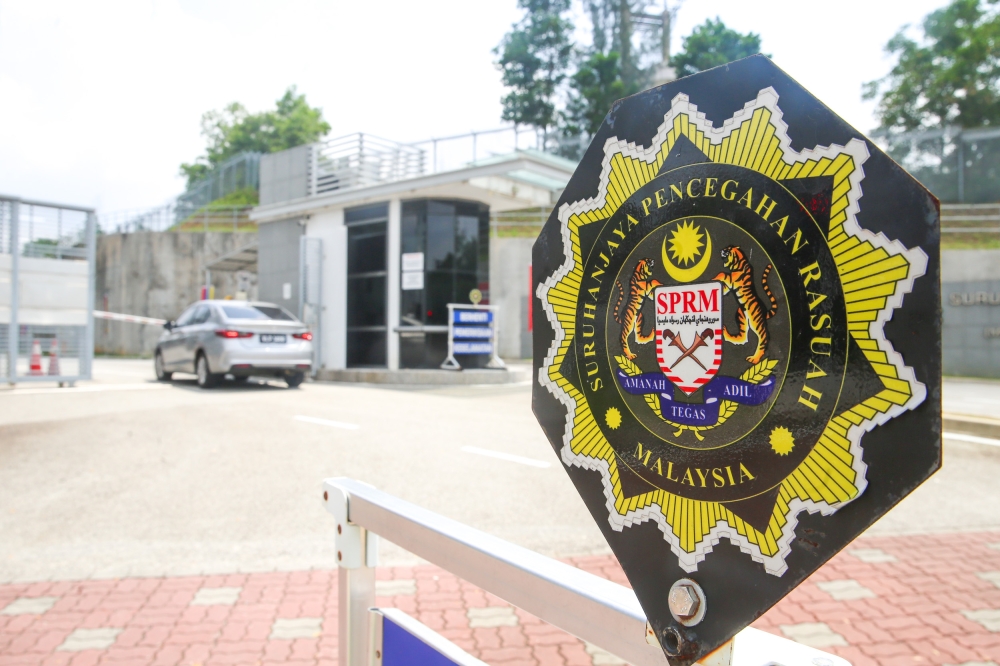
The Malaysian Anti-Corruption Commission has moved to detain three additional individuals as part of its widening investigation into the alleged misappropriation of RM450,000 in penalty payments. The anti-graft agency obtained a five-day remand order against the suspects in Putrajaya on August 5, signalling the severity with which authorities are treating the case and suggesting the investigation extends beyond a single transgression.
This latest arrest marks an escalation in MACC's efforts to uncover what appears to be a coordinated scheme involving the diversion of financial penalties. The decision to seek extended remand indicates investigators believe they require additional time to interrogate the suspects and gather evidence, a standard procedure in complex financial crime investigations where multiple parties may have been involved in facilitating or benefiting from the alleged breach.
Misuse of penalty payments represents a particularly troubling category of financial crime in Malaysia's anti-corruption framework. Such funds typically derive from enforcement actions or regulatory settlements and are earmarked for specific public purposes or compensation schemes. When these monies disappear through fraudulent channels, they undermine both the integrity of Malaysia's financial oversight system and public confidence in institutional accountability mechanisms.
The scale of the alleged fraud—RM450,000—places this firmly in the category of significant corporate crime. For Malaysian readers, this figure provides context about the sophistication potentially involved; such amounts typically require either sustained falsification of records or complicity from individuals holding positions of financial authority. The involvement of multiple suspects strengthens this inference, suggesting a breach that required coordination rather than isolated misconduct.
The MACC's investigative approach reflects contemporary best practices in financial crime prosecution. By securing extended remand periods, investigators gain space to conduct forensic accounting analysis, interview witnesses, cross-reference documentation, and identify any additional parties who might have benefited from or enabled the diversion. This methodical approach, while time-consuming, ultimately produces more robust cases capable of withstanding judicial scrutiny.
For Malaysia's anti-corruption landscape, this case arrives amid broader efforts to strengthen institutional safeguards against financial malfeasance. The willingness of MACC to pursue cases involving penalty payment schemes demonstrates the commission's commitment to addressing vulnerabilities in how Malaysia manages enforcement proceeds. Such vigilance matters considerably in Southeast Asia, where corruption often manifests through precisely these kinds of financial intermediary schemes that exploit regulatory gaps.
The fact that MACC obtained remand orders—rather than merely conducting interviews or issuing warnings—suggests preliminary evidence already exists implicating the suspects. In Malaysia's legal system, remand orders depend on demonstrated reasonable grounds, meaning magistrates reviewing MACC's application would have required compelling justification before authorizing detention. This procedural safeguard ensures that the investigation rests on more than suspicion.
These arrests contribute to ongoing scrutiny of how public and quasi-public financial systems operate across Malaysia. Penalty payments often flow through institutional frameworks where oversight responsibilities are distributed among multiple actors—finance officers, regulatory officials, audit personnel—creating opportunities for circumvention when coordination breaks down or corruption takes root. Understanding how RM450,000 could be diverted will likely inform broader policy discussions about centralizing oversight mechanisms and strengthening internal controls.
The multi-suspect nature of this case underscores how sophisticated white-collar fraud typically functions. Single individuals rarely pull off substantial financial crimes undetected; instead, schemes develop through enabling environments where several parties either actively participate or negligently permit misconduct. Investigating all three suspects simultaneously allows MACC to map relationships, reconstruct the timeline of transfers, and identify which individuals occupied critical junctures where intervention would have been possible.
Regionally, Malaysia's proactive stance against financial crime sends important signals. Neighbouring Southeast Asian countries monitor each other's anti-corruption enforcement intensity, as strong prosecution records in one jurisdiction can dissuade potential offenders from attempting similar schemes. Conversely, perceived laxity invites criminal activity to migrate toward jurisdictions perceived as enforcement-light. MACC's continued pursuit of penalty payment fraud helps position Malaysia as a market with meaningful consequences for financial misconduct.
The investigation's progression will likely depend heavily on forensic accounting expertise. Tracing RM450,000 through multiple accounts, payment channels, and potentially layered transactions requires specialists capable of reconstructing financial flows and identifying markers of intentional obscuration. Malaysia's MACC possesses such capacity, but resource constraints in financial investigations remain a perennial challenge across the region.
Looking forward, this case will merit attention for how courts ultimately characterize the alleged conduct. Depending on the precise nature of the misappropriation, charges might encompass criminal breach of trust, money laundering, corruption, or conspiracy statutes. The applicable legal framework shapes both punishment severity and restitution possibilities, making the charging decision consequential for victims and stakeholders in the funds' intended beneficiary programs.

