The Malaysian Anti-Corruption Commission (MACC) has concluded a four-day intensive statement-recording session with a former chief financial officer of a Tabung Haji-linked statutory body over allegations of power abuse in a controversial RM370 million share acquisition, signalling a critical phase in the ongoing investigation into the lucrative transaction that prompted a Royal Commission of Inquiry.
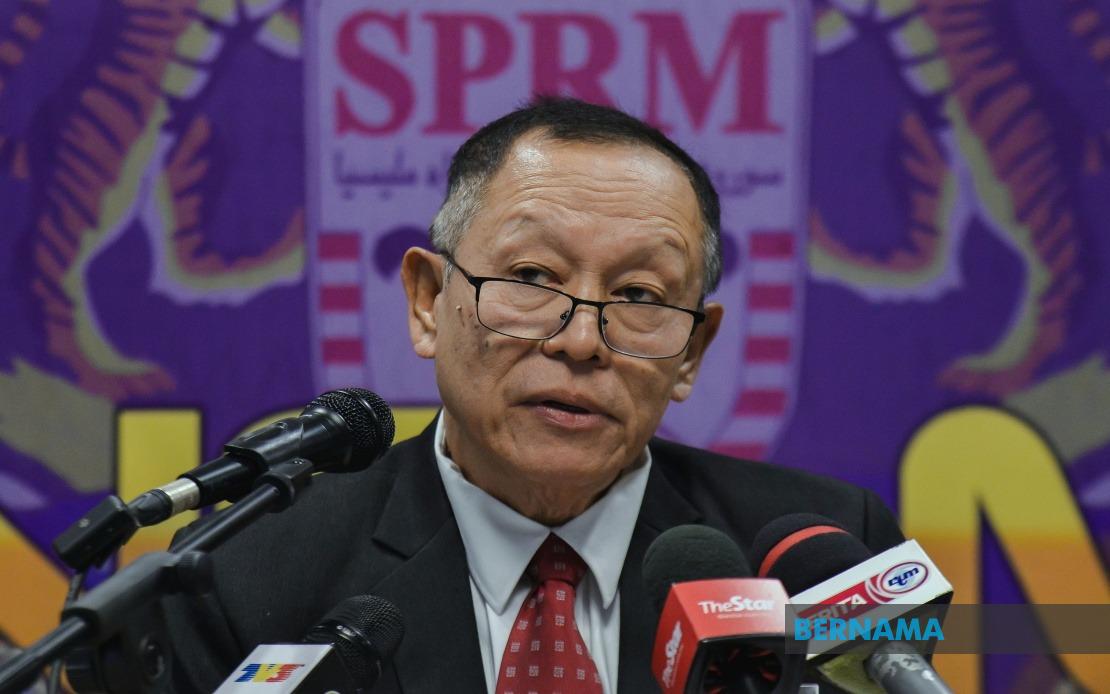
MACC chief commissioner Datuk Seri Abd Halim Aman confirmed on Wednesday that the questioning concluded after the 60-year-old former CFO completed his final day of interviews, which ran from 9 am to 6:30 pm. The extended interrogation underscores the complexity and scale of the suspected misconduct being examined by the anti-corruption body, suggesting investigators have substantial ground to cover regarding the circumstances surrounding the purchase of shares in two plantation companies.
The investigation's focal point is the allegation that officials exploited their positions of authority to approve the acquisition of plantation company shares valued at approximately RM370 million. This transaction subsequently became one of the most contentious findings within the RCI report on Lembaga Tabung Haji, the pilgrimage fund management body that serves millions of Malaysian Muslims saving for the hajj pilgrimage. The RCI's examination of Tabung Haji's governance practices and financial decisions brought this particular share purchase under intense scrutiny, ultimately triggering the current criminal investigation.
The detention of both the former CFO and the company's ex-chief executive officer, who arrived voluntarily at MACC headquarters on Tuesday to provide their statements, represents an important development in the probe. Such action typically indicates investigators believe the individuals possess critical knowledge of the transaction's authorization, execution, and approval process. The fact that both executives submitted to multi-day questioning suggests they may be cooperative witnesses or that their testimonies are integral to establishing whether procedures were circumvented or institutional safeguards were breached.
The RM370 million outlay for plantation shareholdings has long been regarded as a particularly concerning episode in Tabung Haji's administrative history, partly because such sizeable investments require multiple layers of approval and governance oversight. For Malaysian readers and stakeholders in the hajj fund, the investigation carries significant implications, as any misappropriation or breach of fiduciary duty directly affects the trust and confidence placed by pilgrims in the fund's stewardship of their savings. The pilgrimage fund manages contributions from millions of Malaysians, making questions about its governance a matter of public and religious concern.
The four-day duration of the statement recording indicates the MACC is methodically reconstructing the decision-making process that led to the share purchase. Investigators likely sought detailed accounts of board meetings, correspondence, financial appraisals, due diligence reports, and approval documentation. Such thoroughness is essential for establishing whether proper authorization procedures were followed, whether conflicts of interest existed, and whether the transaction was effected at market rates or at inflated valuations that would constitute a financial loss to the fund.
This investigation also reflects Malaysia's broader regulatory environment and MACC's operational capacity. The commission has stepped up scrutiny of statutory bodies and government-linked companies following the revelations contained in various RCI reports and high-profile financial reviews. Public sector governance has become an increasingly visible focal point for anti-corruption efforts, particularly where large sums are involved and where the absence of robust oversight can result in substantial losses to national assets or public funds.
The Tabung Haji case carries additional weight because the organization serves a religiously significant function within Malaysian Muslim society. Any governance failures or corrupt practices undermine not only financial stewardship but also the institution's moral and religious standing. For the broader Southeast Asian region, the investigation demonstrates Malaysia's commitment to investigating potential white-collar misconduct at senior levels within state institutions, a transparency measure that other nations in the region are increasingly expected to replicate.
Looking ahead, the completion of this statement-recording phase may lead to various investigative pathways. The MACC could pursue further interviews with other officials involved in approving or executing the transaction, seek forensic analysis of company records and communications, or prepare recommendations to the Attorney-General's office regarding potential criminal charges. The timeline for concluding the investigation remains unclear, though the intensity of recent questioning suggests the MACC is building toward substantive findings.
For investors and observers of Malaysian governance, the investigation underscores the risks associated with inadequate institutional checks and oversight mechanisms. The RCI's existence and the subsequent MACC investigation together illustrate a system attempting to correct past governance shortcomings through inquiry and prosecution. However, questions about whether such mechanisms can prevent future instances of potential abuse, and whether they reflect systemic weaknesses or individual misdeeds, remain pertinent as the probe progresses.

