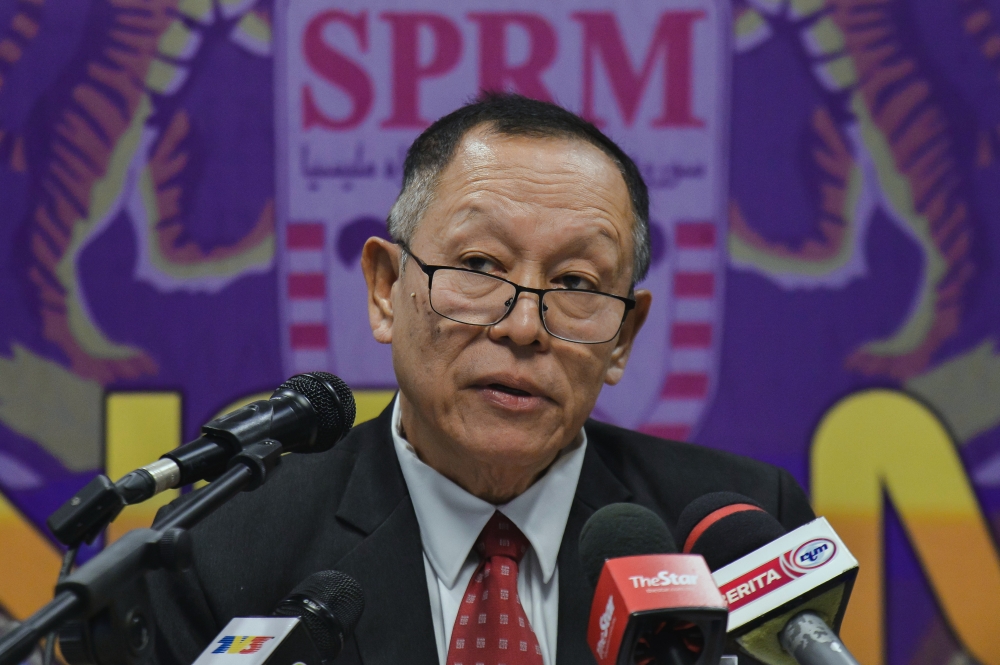
The Malaysian Anti-Corruption Commission has moved swiftly to detain the former chief executive and chief financial officer implicated in what authorities describe as an abuse of power tied to a RM370 million plantation sector transaction. The high-profile arrests signal intensifying enforcement action against executive-level misconduct, an area that has historically proven challenging for Malaysian investigators despite the scale of alleged impropriety involved.
The detention of these two senior figures represents a notable escalation in MACC's investigation into corporate governance failures within Malaysia's plantation industry. Both individuals held pivotal positions within their organisation's decision-making apparatus, roles that granted them substantial authority over major financial commitments and strategic transactions. Their alleged conduct underscores recurring vulnerabilities in how large-value corporate deals are authorised and executed across Malaysia's business landscape.
The specifics of the RM370 million transaction form the centrepiece of the investigation. This substantial sum suggests the deal carried significant strategic importance for the organisation involved, potentially affecting stakeholder interests, shareholder returns, and market positioning. The plantation sector remains economically consequential for Malaysia, with global significance in commodities markets, making governance lapses within this space a matter of broader economic concern beyond individual corporate interests.
Abuse of power allegations traditionally centre on the improper exercise of authority by individuals entrusted with decision-making responsibilities. In the context of large financial transactions, such misconduct might encompass bypassing established approval procedures, misrepresenting transaction details to relevant parties, or prioritising personal or connected interests over organisational and stakeholder welfare. The fact that both CEO and CFO positions are involved suggests potential systemic shortcomings in how such transactions were reviewed and authorised.
For Malaysian readers, these arrests carry implications extending beyond the immediate case. Corporate governance standards remain subject to ongoing scrutiny, particularly following previous high-profile corporate scandals that exposed weaknesses in oversight mechanisms. The MACC's willingness to pursue senior executives, regardless of their former status, reflects growing institutional capacity to investigate white-collar misconduct, though observers note that conviction rates remain an important metric for assessing enforcement effectiveness.
The plantation industry context warrants particular attention given Malaysia's historical reliance on agricultural commodities. While the sector has diversified in recent decades, plantation operations continue employing hundreds of thousands of workers and generating substantial export revenue. Governance failures at corporate level can have cascading effects through employment, supply chains, and international trade relationships, making executive accountability fundamentally relevant to economic stability.
The timing of these arrests likely reflects the conclusion of preliminary investigative phases. MACC typically conducts extensive document analysis and witness interviews before moving to detention, suggesting investigators had assembled sufficient material to warrant formal action. The decision to arrest both figures simultaneously indicates authorities believe the alleged misconduct involved coordinated actions rather than isolated lapses by individual actors.
This development also highlights the distinction between MACC investigation and subsequent prosecutorial outcomes. Arrests represent investigative determination regarding probable cause but do not constitute proof of guilt. The legal process remaining ahead will determine whether sufficient evidence exists to support charges and, ultimately, secure convictions. Malaysian courts have demonstrated varying degrees of rigour in examining complex corporate transactions, and this case will likely require sophisticated presentation of documentary and testimonial evidence.
For international investors monitoring Malaysia's governance environment, such enforcement actions send mixed signals. While they demonstrate investigative willingness, observers often scrutinise whether investigations encompass all responsible parties, whether political connections influence case progression, and whether regulatory frameworks themselves require strengthening. Malaysia's ranking in international governance indices remains subject to questions about enforcement consistency and independence.
The broader context involves ongoing tension between Malaysia's aspiration to be a competitive, rule-governed business environment and documented instances of governance shortcomings at both corporate and governmental levels. Enhanced corporate accountability theoretically attracts quality investment and builds investor confidence, yet execution challenges have periodically undermined such objectives.
Stakeholders in affected companies—employees, shareholders, suppliers, and customers—now face uncertainty regarding the transaction's legitimacy and potential financial implications. Organisations under investigation often experience reputational damage and operational challenges as investigations progress, regardless of eventual outcomes. The extended nature of such processes can create prolonged uncertainty affecting business continuity and stakeholder confidence.
As this investigation advances through formal interrogation and potential charging phases, it will contribute to evolving jurisprudence around corporate misconduct in Malaysia. Legal interpretations established through this case and others like it will shape how organisations understand governance obligations and enforcement priorities. The MACC's capacity to bring such cases, though recently strengthened, remains constrained by resource limitations that affect investigation pace and scope.

