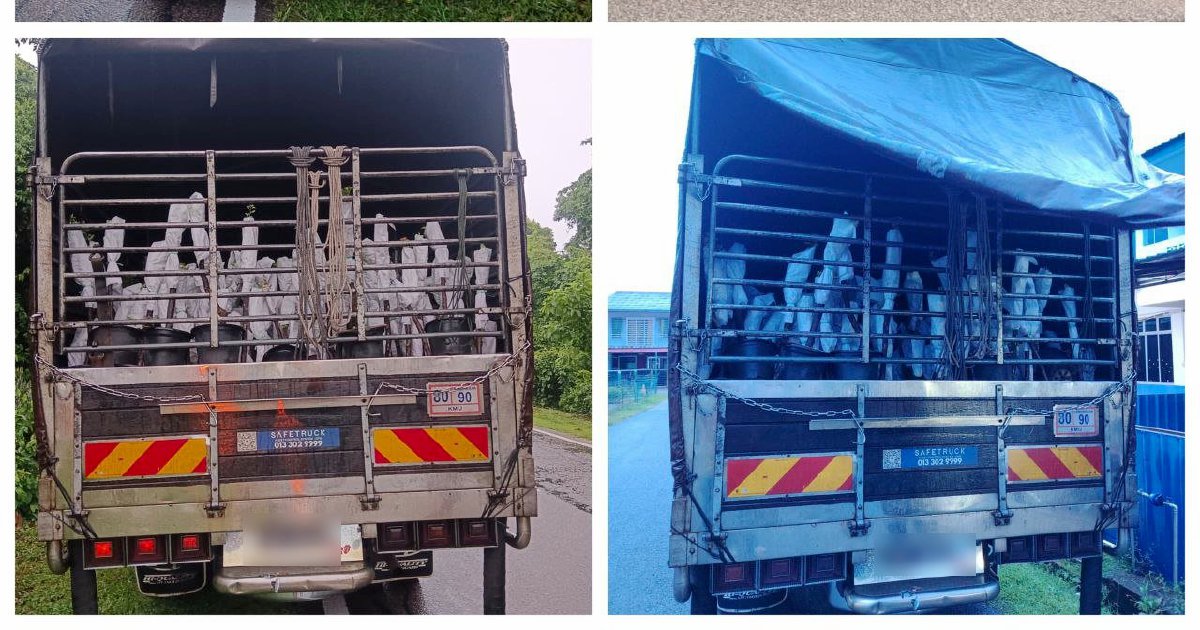
Two commercial transport workers have been taken into custody following the discovery of nearly RM85,000 in contraband plant saplings during a border enforcement operation at Rantau Panjang. The operation, which took place yesterday, resulted in the seizure of horticultural materials that had been illegally transported across the Thai-Malaysian frontier, marking another instance in an ongoing pattern of agricultural smuggling in the region.
The arrested individuals—a lorry driver and his attendant—were apprehended when authorities conducting routine inspections at the border crossing point encountered the concealed cargo. The discovery underscores the persistent challenge faced by customs and agricultural authorities in combating illicit cross-border trade in plant materials, a category of contraband that often escapes widespread public attention despite its economic and biosecurity implications.
Border operations at Rantau Panjang, situated in Kelantan and one of Malaysia's primary land entry points from Thailand, have intensified in recent years as enforcement agencies attempt to stem the flow of undocumented goods and materials entering the country. The region sees considerable two-way traffic, and smuggling operations frequently exploit routine commercial movements to introduce prohibited or restricted items past checkpoint inspections.
Plant saplings represent a particularly concerning category of smuggled goods from a regulatory standpoint. Malaysia maintains strict phytosanitary protocols governing the importation of botanical materials to protect domestic agricultural sectors from pests, diseases, and invasive species that could devastate local crop production and ecosystems. Unauthorized imports bypass these safety measures, creating potential risks to Malaysia's horticultural and forestry industries, which contribute significantly to rural livelihoods across the country.
The scale of this seizure—valued at RM85,000—suggests a commercially significant operation rather than an isolated incident of petty smuggling. Such monetary values indicate either substantial quantities of high-value specimens or particularly rare or sought-after plant varieties, both scenarios reflecting organized trafficking networks capable of identifying market demand and arranging transportation across international boundaries.
Thailand represents a major source of agricultural contraband into Malaysia, given geographical proximity and established transport corridors. The country's diverse botanical resources and lower regulatory oversight in certain agricultural sectors create conditions favorable for traffickers seeking to move materials into Malaysian markets where restricted plants may command premium prices among collectors, nurseries, or agricultural entrepreneurs operating outside formal regulatory channels.
The involvement of commercial transport personnel in such operations is noteworthy. Lorry drivers and attendants operating cross-border routes occupy positions of particular vulnerability to exploitation by smuggling syndicates, who may coerce or incentivize these workers through financial inducements to facilitate contraband movement. Alternatively, some operators knowingly participate in trafficking schemes, understanding the profit margins available through illegal agricultural commerce.
Malaysian customs and agricultural authorities have steadily increased checkpoint operations and personnel training to address sophisticated smuggling techniques. Contraband concealment methods have become increasingly elaborate, often requiring specialized detection equipment and expertise to identify. Yesterday's successful interdiction likely reflects sustained vigilance by enforcement personnel capable of recognizing indicators of smuggling attempts amid legitimate commercial traffic.
The case contributes to broader regional discussions about biosecurity cooperation and cross-border enforcement mechanisms. Southeast Asian nations, including Malaysia and Thailand, face shared interests in preventing agricultural smuggling, plant disease transmission, and illegal species trafficking. Enhanced information-sharing and coordinated checkpoint operations have gradually improved detection rates, though vast quantities of undocumented materials continue entering countries through porous border areas and informal crossing points.
For Malaysia's agricultural sector, such smuggling operations represent both direct and indirect threats. Direct impacts include revenue loss for legitimate nurseries and plant suppliers operating under compliance costs that smugglers avoid. Indirect consequences emerge through potential disease introduction or ecosystem disruption if foreign plant specimens escape cultivation and establish in the wild, particularly given Malaysia's tropical climate supporting rapid proliferation of non-native vegetation.
The detention of these two individuals will likely proceed through standard legal processes involving charges related to agricultural importation violations and smuggling offenses. Such cases typically result in substantial fines and potential imprisonment, serving deterrent functions intended to discourage participation in future trafficking attempts. The severity of penalties has gradually increased as authorities recognize the cumulative impact of agricultural smuggling on national biosecurity and economic interests.
Yesterday's operation exemplifies the sustained effort required to maintain agricultural border security across Southeast Asia. While individual seizures attract limited public attention compared to narcotics or firearms interdictions, the cumulative economic impact and biosecurity implications of plant smuggling demand equivalent enforcement resources and policy attention. Enhanced public awareness regarding the risks and regulatory frameworks governing agricultural importation may also contribute to reducing demand among consumers for illegally sourced botanical materials.
Moving forward, continued inter-agency coordination and technological investment in detection capabilities will likely remain central to Malaysian enforcement strategy at the Thai border and other regional checkpoints. The arrest of these two men, while representing a discrete enforcement success, reflects the ongoing cat-and-mouse dynamic between authorities and trafficking networks operating in Southeast Asia's substantial cross-border agricultural trade.

