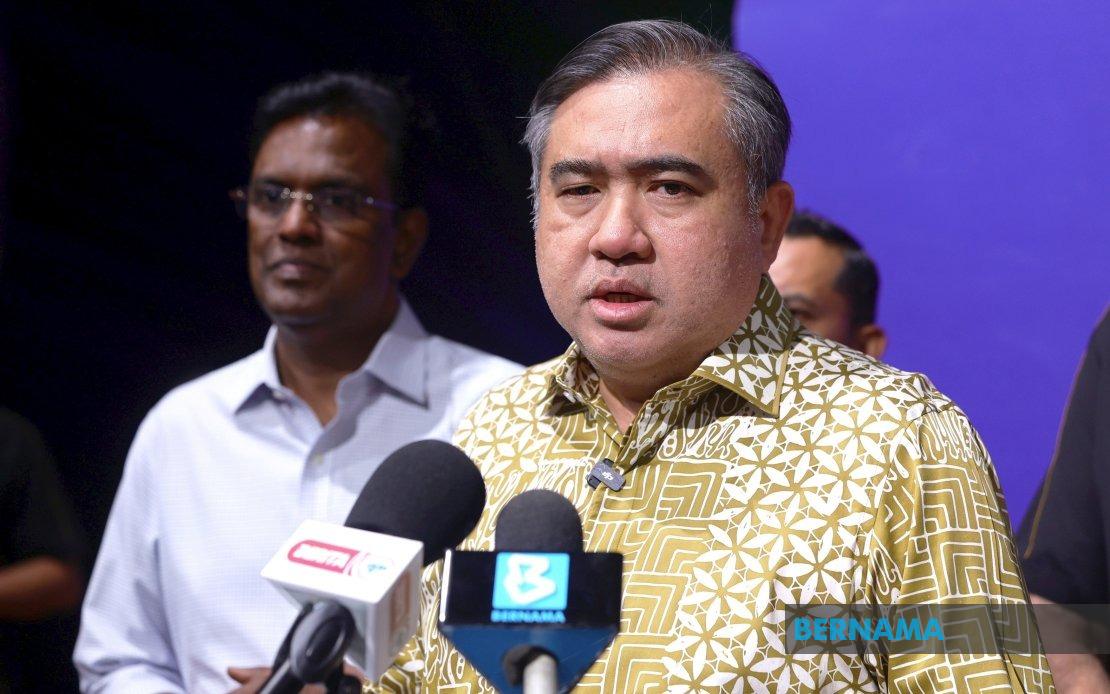
Anthony Loke, the sitting assemblyman for Chennah and secretary-general of the Democratic Action Party, has signalled his willingness to compete against all comers in the forthcoming Negeri Sembilan state election. Speaking in Seremban on Tuesday after opening a driving licence awareness programme, Loke adopted a measured stance toward potential opponents, framing electoral competition as an integral part of Malaysia's democratic framework rather than a threat to his position.
The remarks came in response to media queries about businessman Albert Tei, who has reportedly been approached by a political party and has not dismissed the possibility of entering the Chennah race. Loke's response reflected the pragmatic approach expected of an incumbent comfortable in his constituency, suggesting that multiple candidacies would be both natural and legitimate under the country's democratic system. By positioning competitive contests as a normal democratic exercise, Loke sought to project confidence while avoiding any appearance of complacency.
As DAP secretary-general, Loke occupies a significant position within one of Malaysia's major opposition parties and a key stakeholder in the coalition that currently governs Negeri Sembilan. His tenure in the state assembly spans three electoral cycles, each of which has resulted in his return to Seremban, building a substantial political foundation in the constituency. The invitation to potentially face Tei represents part of a broader competitive landscape taking shape ahead of the 16th state election, with various political movements positioning candidates across the state.
Loke's comments underscored a critical procedural requirement for any prospective candidate: eligibility requirements must be satisfied before nomination. Specifically, he highlighted the necessity for candidates to ensure their registered address aligns with the constituency they wish to contest. This seemingly technical point carries practical significance for anyone considering a late entry into the race, as addressing discrepancies could prove time-consuming. The Election Commission has set a tight timeline, with nomination day scheduled for July 18, polling on August 1, and early voting on July 28, leaving limited opportunity for administrative adjustments.
Beyond procedural matters, Loke framed his approach around constituent representation rather than political combat. He articulated a clear preference for concentrating on the responsibilities attached to his current position, suggesting that the three successive mandates granted by Chennah voters represented both a privilege and an obligation. This rhetorical positioning serves multiple purposes: it projects confidence by suggesting that his track record speaks adequately for itself, it appeals to voters who value service delivery over negative campaigning, and it distinguishes his conduct from the more aggressive posturing sometimes seen in Malaysian politics.
The Negeri Sembilan state election carries broader significance beyond individual constituencies. The state remains a crucial political battleground where competing national coalitions vie for influence. Results from the election could signal shifts in voter sentiment across the broader peninsula, potentially offering indicators relevant to future federal-level calculations. For Loke and the DAP specifically, the contest provides an opportunity to consolidate their position within the state's political architecture and demonstrate continued viability to both supporters and potential coalition partners.
The timing of Tei's potential entry remains uncertain, but Loke's preemptive openness to competition serves a strategic purpose. By welcoming challengers rather than resisting them, he avoids appearing defensive or anxious about his political prospects. This approach also adheres to democratic norms in a way that enhances his public profile and contrasts favourably with any rival who might adopt obstructionist tactics. In the Malaysian political context, where democratic participation is frequently emphasised in official rhetoric, such positions carry weight with voters who value fair competition.
The substance of Loke's remarks also reflects broader DAP positioning on electoral democracy. The party, as a long-standing opposition voice, has consistently advocated for democratic principles and competitive elections as mechanisms through which accountability is maintained and voter choice is honoured. By embodying these principles in his own campaign approach, Loke reinforces the party's broader messaging while establishing credibility as someone willing to stand on his record rather than attempt to exclude rivals.
Looking toward the July-August election timeline, the Chennah constituency faces the prospect of a potentially high-profile contest if Tei formalises his candidacy. The businessman brings experience from the private sector and could represent a different political trajectory than the established party apparatus. However, Loke's three-term incumbency provides substantial advantages, including name recognition, established grassroots networks, and a demonstrable record of engaging with local issues. The outcome in Chennah will likely depend on whether voters prioritise experience and institutional continuity or seek fresh perspectives and different economic approaches.
The broader Negeri Sembilan election will ultimately determine the composition of the state assembly and the nature of the state government for the next five years. Individual constituency races like Chennah contribute to this aggregate outcome, with each seat representing a specific conversation between incumbent and challenger. Loke's readiness to engage in this democratic process, articulated in measured and confident terms, positions him as someone comfortable with competitive politics and trusting in his relationship with the constituents he has served across three successive terms.

