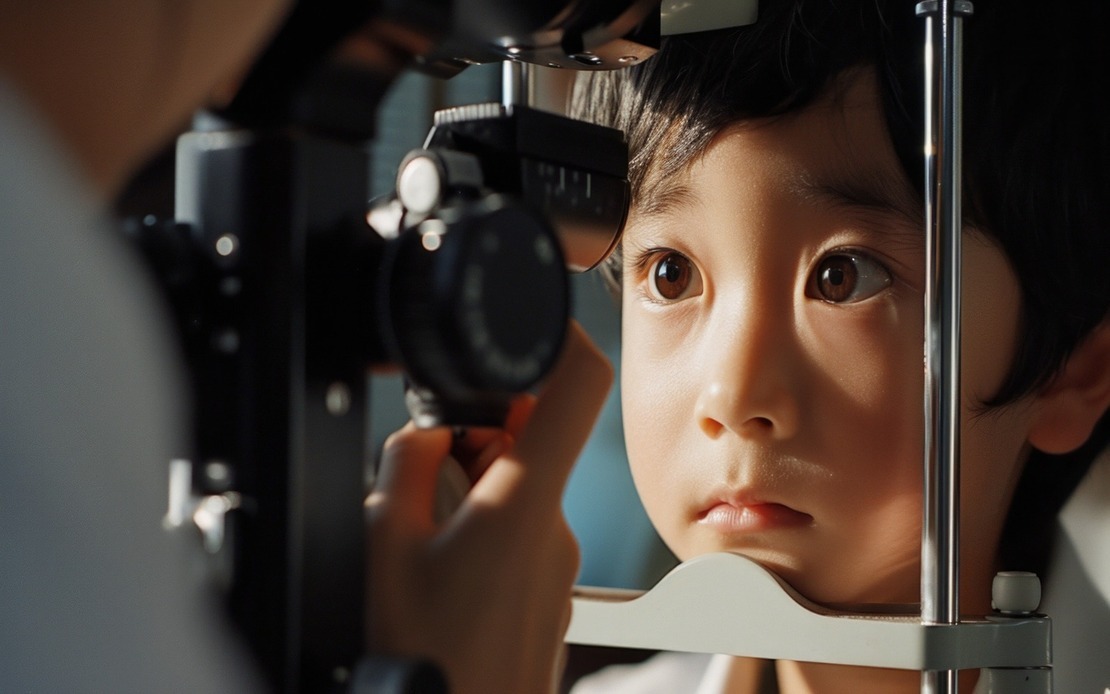
Early detection of eye conditions remains one of the most effective ways to prevent irreversible vision loss across Malaysia's diverse population. According to Dr Fazilawati A Qamarruddin, a consultant ophthalmologist specialising in paediatric eye care at Sunway Medical Centre in Sunway City, conditions such as strabismus and cataracts are frequently overlooked despite being both common and treatable when caught in their early stages. Her insights underscore a growing need for public awareness about comprehensive eye care throughout the lifespan, from infancy through old age.
Strabismus, commonly known as squinting or crossed eyes, represents one of the most prevalent yet underdiagnosed conditions affecting Malaysian children. The condition occurs when the eyes fail to align properly, with one eye pointing in a markedly different direction than the other. This misalignment extends beyond mere cosmetic concerns—it fundamentally disrupts the development of normal vision, impairs depth perception, and can significantly hinder learning capacity and social confidence during crucial formative years. Dr Fazilawati emphasises that whilst uncorrected refractive errors account for many cases, strabismus can also stem from more serious underlying causes including nerve damage, neurological deficits, trauma, or even tumours affecting the brain or eye sockets.
The prevalence of strabismus warrants particular attention within Malaysian paediatric health discussions. International research indicates that between two and four per cent of children globally experience this condition, a figure that translates into thousands of Malaysian children when applied to local population demographics. Despite this significant prevalence, many cases remain undetected until the consequences become apparent through academic underperformance or noticeable damage to a child's self-esteem and social interactions. This detection gap reflects broader gaps in childhood eye screening programmes across the country, particularly in areas lacking specialised paediatric ophthalmology services.
One of the most serious complications arising from untreated strabismus is amblyopia, or lazy eye syndrome. This develops when the brain systematically begins favouring the stronger eye whilst progressively ignoring visual signals from the weaker one. Over time, this neural preference becomes established, and the brain essentially shuts down processing from the affected eye, resulting in permanently reduced vision that cannot be fully corrected later, even with surgical intervention or optical aids. This irreversible outcome underscores why early intervention is not merely beneficial but genuinely transformative for affected children's futures.
Dr Fazilawati advocates for structured vision screening beginning by age three and again prior to school entry, aligning with international best practice guidelines. Parents observing certain warning signs should not defer professional evaluation until school systems identify problems. These signs include frequent head tilting to compensate for eye misalignment, persistent squinting, unusually close positioning to television or screens, or complaints of headaches and visual discomfort. When identified promptly, most refractive errors causing strabismus respond well to prescription glasses alone, avoiding more invasive interventions. She emphasises that early detection can mean the difference between a simple glasses prescription and decades of visual limitation.
Cataracts present a distinctly different challenge, predominantly affecting the elderly population whilst occasionally emerging earlier in specific risk groups. This age-related cloudiness of the eye lens typically manifests in individuals over 60 but can develop prematurely in those with diabetes, active smokers, or those with significant occupational sun exposure. The condition produces characteristic symptoms including progressive vision clouding, increased glare sensitivity, muted colour perception, and particular difficulty with night-time driving. For many Malaysian seniors, cataracts represent a gradual loss of independence, yet modern surgical techniques have revolutionised treatment outcomes substantially.
Contemporary cataract surgery employs phacoemulsification technology, an ultrasound-based approach that fragments the clouded lens through a minimal incision. This advancement marks a dramatic departure from historical cataract procedures requiring large incisions and extended hospitalisation. The smaller incision profile enables same-day surgery in most cases, with patients typically resuming light activities within one week and achieving full visual recovery within two weeks. For Malaysia's ageing population, this represents genuine opportunity to maintain active lifestyles and independence rather than accepting progressive blindness as inevitable.
Screening recommendations should vary according to age and health status. Dr Fazilawati urges all adults to commence regular eye examinations from age 40 onwards, establishing baseline measurements and detecting early-stage conditions before they progress significantly. Children should receive screening before school entry, whilst those with diabetes warrant annual examinations due to the rapid progression potential of diabetic retinopathy—a condition causing retinal blood vessel damage that can quickly lead to severe vision loss if undetected. Early identification allows ophthalmologists to intervene with preventative treatments that significantly alter disease progression.
The modern digital environment introduces new challenges for eye health, particularly among Malaysia's growing youth population. Prolonged screen exposure contributes to worsening myopia or short-sightedness, a phenomenon increasingly documented in paediatric ophthalmology research globally. Dr Fazilawati recommends adopting the 20-20-20 rule: every 20 minutes of screen use, pause and focus on an object approximately 20 feet distant for 20 seconds. This simple practice provides visual system relief and can measurably reduce eye strain and potentially slow myopia progression. As remote learning and digital entertainment increase among Malaysian children and teenagers, such preventative strategies warrant greater public emphasis.
The cumulative impact of untreated eye conditions extends well beyond vision itself, affecting educational achievement, occupational prospects, quality of life, and psychological well-being. A child with uncorrected refractive errors or untreated strabismus may struggle academically not from intellectual limitation but from inability to see classroom material clearly. An elderly person experiencing cataract-related vision loss may withdraw from social engagement, increase fall risk, and experience depression—all preventable through timely intervention. Dr Fazilawati's core message resonates throughout: early detection represents the most cost-effective, reliable strategy for supporting better learning outcomes, maintaining independence, and preserving quality of life across the lifespan. Postponing eye examinations carries genuine costs, measured not merely in healthcare expenditure but in missed opportunities for straightforward treatment that can prevent lifelong disability.

