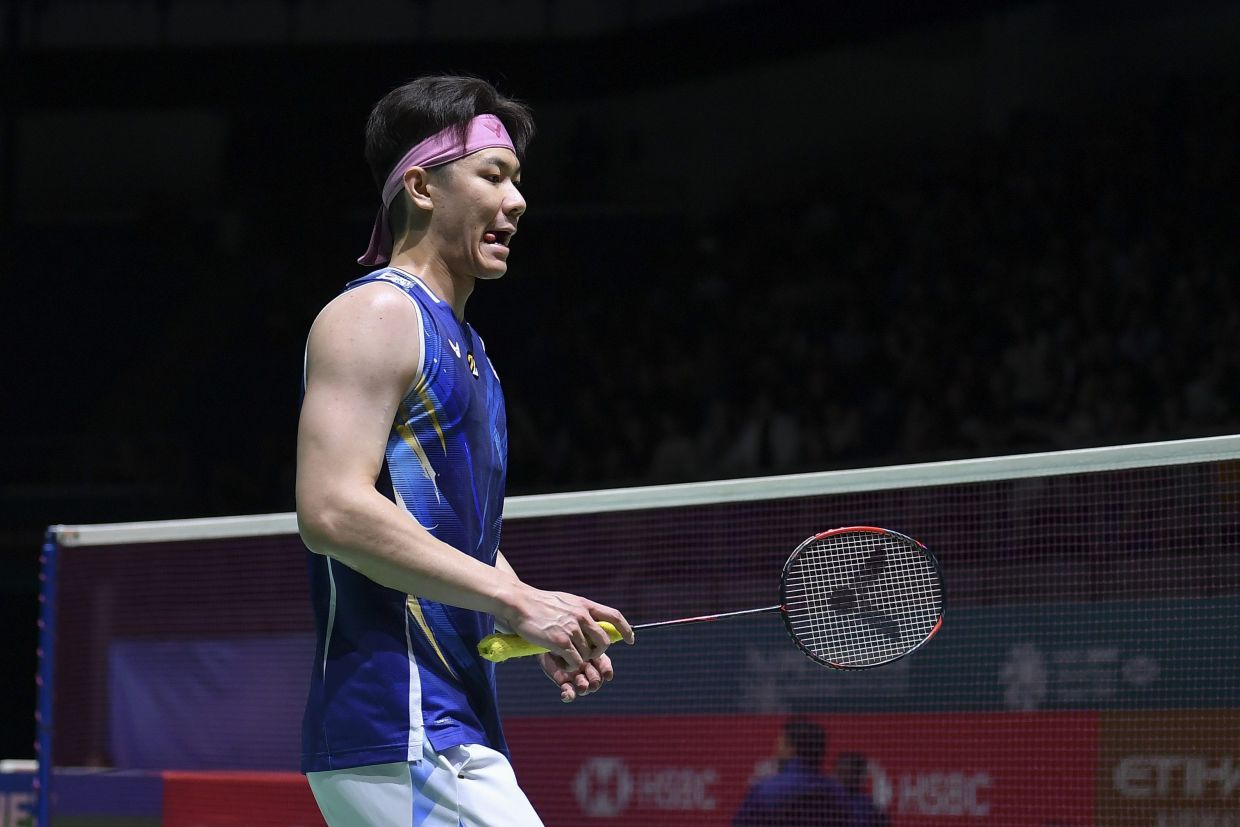
Malaysian men's singles shuttler Lee Zii Jia has declared his unwavering commitment to badminton, rejecting any notion of retirement despite navigating one of the most taxing periods in his professional journey. In a heartfelt message shared via social media, the 28-year-old Kedah-born athlete assured his supporters that he intends to continue competing for as long as physically possible, dismissing doubts about his future in the sport.
The past twelve months have tested Zii Jia's resolve considerably. Beyond the visible challenges of injuries and fluctuating form, the Olympic bronze medallist has grappled with deeper psychological struggles, including self-doubt and a sense of disconnection from those around him. These overlapping difficulties created a compound effect, pushing the world-ranked player to confront fundamental questions about his place in badminton. Yet rather than succumb to these pressures, Zii Jia has chosen introspection and recalibration as his response.
In his social media statement, Zii Jia expressed profound gratitude to his fans and friends, acknowledging that their continued belief sustained him through periods of self-rejection. He reflected candidly on moments when he felt disconnected from his own trajectory, questioning why supporters maintained their faith despite his struggles. This vulnerability represents a marked shift in how elite athletes in Malaysia are discussing mental health and emotional resilience, moving beyond the traditional narrative of pure competitive determination.
The shuttler's journey since departing Malaysia's national setup in 2022 has been considerably more complicated than his earlier career arc might have suggested. Rather than the straightforward progression expected of a talent of his calibre, Zii Jia encountered obstacles that exposed the fragility of athletic careers when multiple stressors converge. The combination of physical injuries, inconsistent tournament results, and psychological challenges created a compounding effect that threatened to derail his momentum entirely.
Zii Jia articulated a critical realization during his recovery process: that an athlete's worth extends beyond winning tournaments. This philosophical shift, while perhaps obvious in hindsight, represents genuine personal growth for a competitor operating at elite levels where results typically dominate all other considerations. He emphasized that persistence itself has intrinsic value, that continuing to show up and attempt improvement carries meaning regardless of immediate outcomes. For Malaysian fans accustomed to celebrating their athletes' victories, this message reframes success as a longer-term, more nuanced endeavour.
A turning point came when Zii Jia found the courage to articulate his struggles and take deliberate control of his circumstances. Previously feeling unable to confide in those around him, he eventually recognized that reclaiming agency over his own life and career decisions was essential to his recovery. This shift from passive acceptance to active self-advocacy proved transformative. He determined that he would rather fail on his own terms than succeed under circumstances that felt constraining, a stance that reflects maturity alongside competitive hunger.
The Olympic medallist's immediate focus has become deliberately narrowed. Rather than pursuing multiple career objectives simultaneously, he is channelling his energy toward court performance while systematically rebuilding his personal stability. This compartmentalized approach suggests he has learned that sustainable comeback narratives require stability beyond the sporting arena itself. For Malaysian badminton audiences, this indicates their champion is making structural changes intended to support long-term rehabilitation rather than chasing quick results.
Recent tournament performances offer cautious optimism for Zii Jia's trajectory. His run to the semi-finals at the Canadian Open, where he lost to Japan's Koki Watanabe, marked his strongest showing of the year and provided tangible evidence that his commitment to recovery yields measurable improvements. Rather than flash-in-the-pan success, this result appears to reflect the gradual consolidation of his return to competitive form. Upcoming tournaments including the Taiwan Open and Korean Masters will provide further barometers of his progress.
Zii Jia's determination to continue carries broader implications for Malaysian badminton. The national sport relies heavily on elite players maintaining consistency across both individual and team competitions. Having a shuttler of Zii Jia's quality attempting comeback after setback demonstrates the depth of competitive commitment within Malaysia's badminton culture. His willingness to confront adversity publicly also potentially normalizes conversations about mental health and career challenges that elite athletes in the region often suppress.
The path forward remains uncertain, and Zii Jia acknowledged this directly. He refused to project timelines or guarantee specific outcomes, instead anchoring his commitment to genuine effort rather than predetermined results. This measured realism, combined with his emotional honesty about past struggles, suggests a matured perspective that may ultimately prove more valuable than the confident certainty often associated with elite sports narratives. Malaysian badminton observers will watch his tournament appearances across Asia over coming months with interest, recognizing that his comeback represents both personal redemption and a statement about persistence in professional sport.

