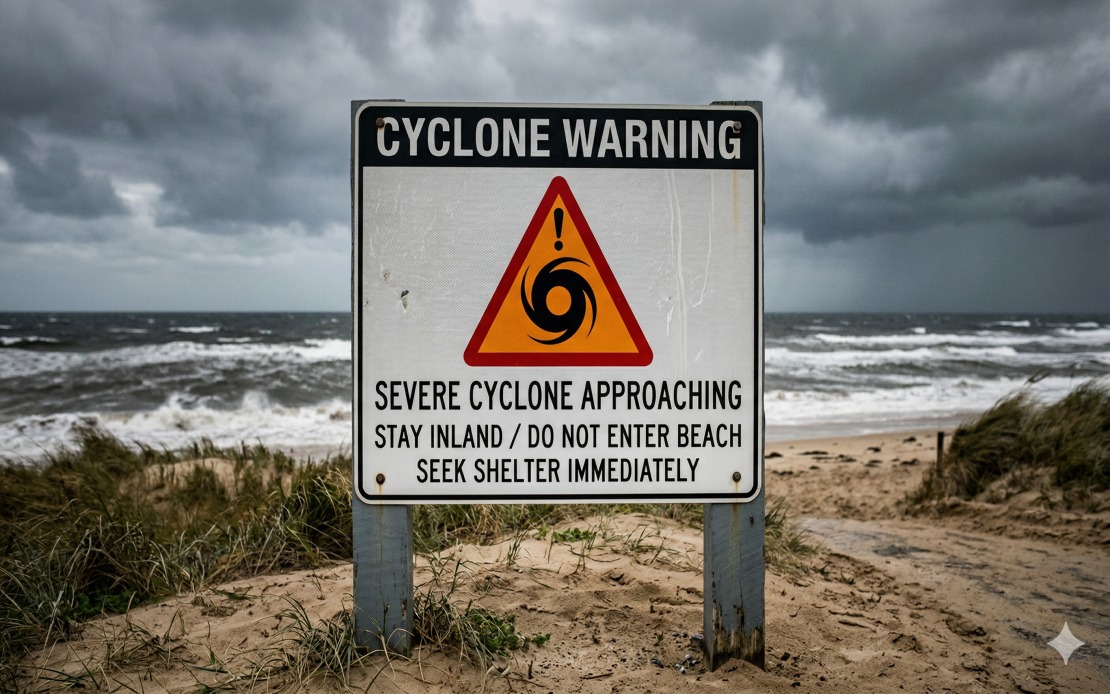
The Baltic nation of Latvia has activated its most serious weather alert system in response to an approaching cyclone expected to deliver destructive conditions across much of the country this weekend. The Latvian Environment, Geology and Meteorology Centre issued a red-level warning on Friday for heavy rainfall affecting central Latvia, with Riga and Jelgava identified as particularly vulnerable zones. This designation represents the highest tier of the country's weather warning framework and reflects the severity of the meteorological event forecasters are tracking.
The critical window for the storm's impact begins at 8 am on Saturday and is expected to persist until 1 am on Sunday, although officials cautioned that the precise boundaries of the affected area remain subject to adjustment as updated forecasts become available. The intensity and scope of the system could intensify or shift during this period, necessitating continuous monitoring by emergency services and the public. Authorities acknowledged the inherent uncertainty in predicting such dramatic weather systems, emphasising that residents should remain alert to official updates throughout the event.
The hazards associated with this cyclone extend well beyond simple rainfall. Meteorologists warn that the combination of torrential precipitation and powerful winds creates ideal conditions for widespread flooding of residential areas, roads, agricultural land, and gardens across the region. Many thoroughfares are expected to become either heavily congested with stalled vehicles or completely impassable as water accumulates faster than drainage systems can manage, potentially trapping motorists and isolating communities. The flooding risk poses serious threats to property, livestock, and stored crops in a nation where agriculture remains economically significant.
Infrastructure vulnerability is another critical concern. The cyclone's violent winds and the waterlogging of soil create substantial risks of tree fall and branch breakage, which frequently results in downed power lines and transformer damage. Widespread blackouts are therefore a realistic possibility across the affected regions. Simultaneously, water distribution networks could experience supply interruptions or contamination, while telecommunications infrastructure including mobile networks and internet connectivity may suffer damage from fallen trees and wind-driven debris. For a modern European nation, such disruptions can have cascading effects on emergency services, financial transactions, and access to essential information.
Looking ahead to the practical implications for ordinary residents, Latvia's State Fire and Rescue Service has issued explicit recommendations for household preparedness. Citizens are being urged to minimise outdoor travel during the storm period, securing any objects that could become projectiles in high winds, including outdoor furniture, signage, and garden equipment. Equally important is the advance charging of mobile phones and portable devices, since mains power disruption could leave residents unable to communicate emergencies or receive official guidance. These precautions reflect the service's assessment that the cyclone poses genuine risks to personal safety.
The cultural and economic impact of the storm is already being felt. Entertainment and sports organisers across Latvia have begun cancelling scheduled outdoor events, acknowledging both the danger to attendees and the practical impossibility of conducting activities in the forecast conditions. This represents a significant disruption to weekend recreation plans for a population that values outdoor social activities, particularly as summer transitions toward autumn. Businesses dependent on weekend foot traffic face unexpected revenue losses.
Latvia is not facing this meteorological challenge in isolation. The neighbouring Baltic nation of Estonia is experiencing forecasts of comparable severity, with the Environment Agency there issuing warnings of identical hazards—heavy rain and strong winds affecting the region simultaneously. The storm system's broad geographic scope underscores its scale and power. In Estonia specifically, the electricity distribution operator Elektrilevi has highlighted the falling tree risk as a primary threat to power infrastructure, mirroring concerns expressed by Latvian authorities. This transnational scope suggests the cyclone is a substantial weather system affecting the entire eastern Baltic coast.
From a regional perspective, Baltic and Nordic nations have become increasingly accustomed to severe weather events as changing climate patterns influence storm frequency and intensity. However, each such event tests emergency response capabilities, infrastructure resilience, and public preparedness. The activation of Latvia's red alert system reflects institutional learning and a commitment to transparent communication of genuine risks. For Malaysian and Southeast Asian readers, this episode illustrates how developed European nations mobilise comprehensive early warning systems and coordinated public response mechanisms when facing natural hazards, providing instructive contrasts with approaches elsewhere in the world.
The cyclone event also highlights the interconnected nature of modern infrastructure and the importance of redundancy and maintenance investment. When power, water, and communications systems rely on above-ground networks vulnerable to weather damage, single events can create cascading failures affecting millions. European infrastructure standards and investment levels mean rapid restoration is typically possible, but the incident reminds planners everywhere that extreme weather poses inevitable challenges to built systems, regardless of wealth or development level.

