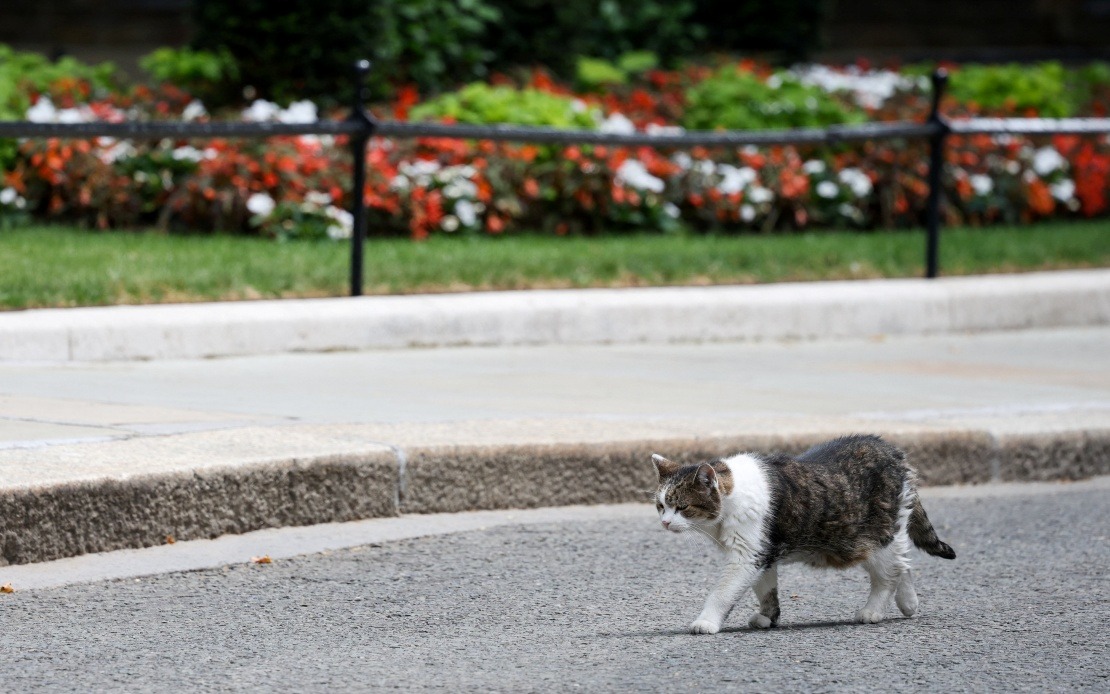
The celebrated feline resident of 10 Downing Street has achieved a peculiar form of longevity in British politics, outlasting six successive prime ministers through an era of considerable governmental upheaval. Larry was observed roaming the grounds of the prime ministerial residence on Tuesday, July 21, while Andy Burnham presided over his inaugural Cabinet meeting following his appointment to the nation's highest office.
Larry's tenure at the iconic London address represents a remarkable institutional memory during a period of significant political turbulence across the United Kingdom. The cat's continuous presence through successive administrations stands in contrast to the revolving door of human leadership that has characterised recent years of British politics. Each prime minister who has occupied the residence has come and departed, yet the feline has remained a consistent fixture within its walls and grounds.
The appointment of Burnham as Prime Minister marks another chapter in Larry's remarkable life at the seat of British power. As ministers convened inside the building to discuss matters of state, the cat maintained its customary routine, indifferent to the ceremonial significance of the meeting taking place. This juxtaposition between the gravity of governmental transition and the cat's casual movements highlights the institutional nature of the role that Larry has come to embody.
For Malaysian readers and observers of Commonwealth politics, Larry's presence at 10 Downing Street serves as a symbol of institutional continuity even as the political landscape shifts dramatically. The parallels to stability in governance, though expressed through a household pet rather than policy, resonate with how nations maintain their constitutional frameworks even when leadership changes. The cat's apolitical nature and simple existence stand as a gentle reminder that some elements of government remain constant regardless of electoral outcomes.
Larry's appointment to the position of Chief Mouser to the Treasury occurred years ago, representing an official designation within the British civil service. This unique title underscores how the British system incorporates elements of tradition and pageantry into its institutional structures. The role, while whimsical in nature, carries genuine historical significance and has been maintained across multiple centuries of British governance.
The cat's longevity in the position reflects broader questions about institutional memory and continuity in political systems. As prime ministers come to office with their own agendas, policy priorities, and visions for the nation, the presence of a constant resident like Larry provides an amusing but genuine thread connecting different eras of British leadership. The feline has witnessed parliamentary debates, Cabinet meetings, state visits, and the quiet moments that define life at the highest levels of government.
For those observing British politics from the Southeast Asian region, the story of Larry offers insight into how Westminster traditions maintain themselves even amid significant political change. The United Kingdom has experienced considerable political turbulence in recent years, marked by rapid succession of prime ministers and significant constitutional debates. Yet the institution itself, as represented by its continuing traditions and symbolic elements, persists through these transitions.
The image of Larry wandering outside during Burnham's first Cabinet meeting captures something essential about the nature of political institutions. While government officials deliberate major policy decisions affecting millions of citizens, the cat pursues its own modest agenda, unconcerned with matters of state. This perspective, though lighthearted, reflects a deeper truth about institutional permanence and the temporary nature of individual leadership.
Larry's status as a recognised figure in British public life demonstrates how institutions transcend individuals who temporarily hold power. The cat has become embedded in popular culture and public consciousness as a symbol of continuity at a particular seat of power. Media coverage of Larry's movements frequently accompanies reports of governmental transitions, creating an unusual but enduring narrative about political change in Britain.
The appointment of Burnham represents another turning point in British politics, yet for Larry, it signals merely another day at the residence. The cat's ability to weather successive administrations with apparent ease provides some gentle humour to what have been turbulent years of British governance. As new prime ministers inherit their offices, they also inherit responsibility for maintaining the welfare and presence of this long-serving feline resident.
Looking forward, Larry's continued tenure at 10 Downing Street remains secure, particularly given the affection with which the cat is regarded by the British public and the institutional respect accorded to the position of Chief Mouser. The feline may yet outlast additional prime ministers, continuing its remarkable run as one of the longest-serving residents of the famous address. For observers of British politics from around the Commonwealth, including Malaysia, Larry's story serves as an amusing reminder that some aspects of governance transcend the personalities and policies of temporary office-holders.

