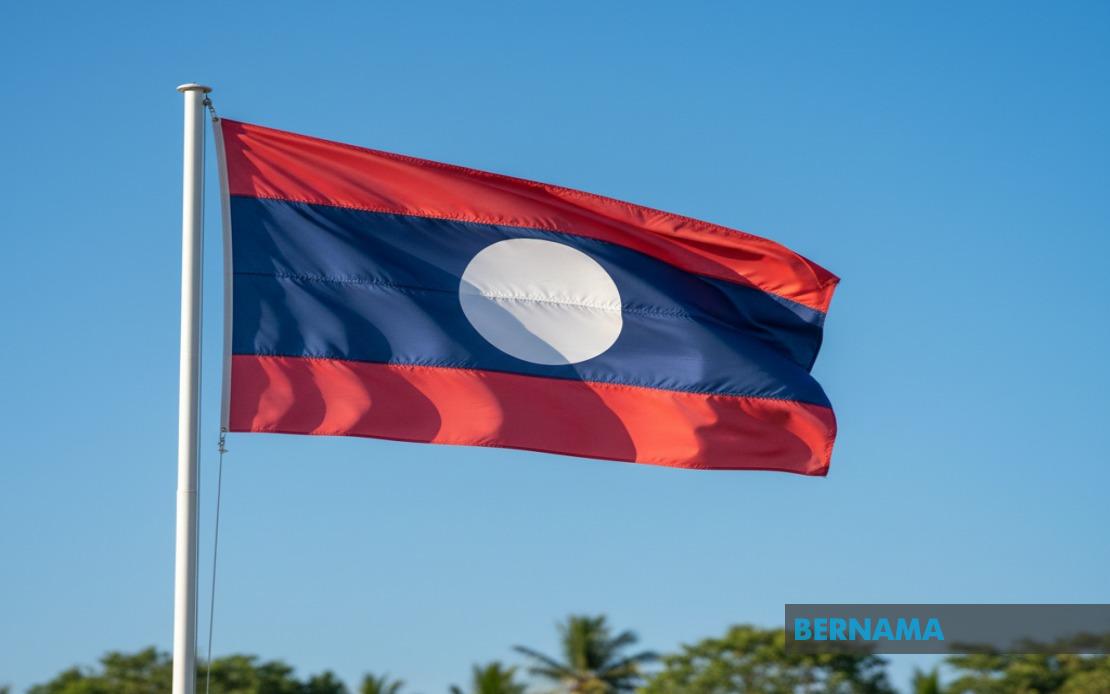
Laos has taken a significant step toward strengthening its media infrastructure by convening the first National Media Congress in Vientiane this week. The three-day gathering, held under the banner of "Strengthening Party Leadership and Developing the Media Toward a New Level of Quality," brought together senior political figures, media executives, editors, journalists, and communication specialists to chart a modernisation pathway for the nation's information sector. The congress concluded with the adoption of a comprehensive roadmap designed to enhance both the quality and operational effectiveness of Laotian media organisations.
The congress represented a rare moment of collective stocktaking for Laos's media landscape, which has historically operated within a tightly controlled state framework. By assembling representatives from across the country's media ecosystem, organisers sought to create space for examining past performance while establishing benchmarks for future development. The three-day format allowed participants to move beyond surface-level discussions, drilling down into specific challenges that constrain the sector's ability to serve public information needs effectively and responsibly.
Khamphan Pheuyavong, heading the Commission for Information and Education, delivered the closing summary emphasising that the congress had successfully accomplished its dual mandate of reviewing historical achievements and identifying obstacles to progress. His presentation underscored that the gathering had crystallised a forward-looking agenda grounded in an honest assessment of where the sector currently stands. This acknowledgment of past and present realities formed the foundation upon which the modernisation roadmap was constructed.
Lao President Thongloun Sisoulith's closing remarks elevated the congress beyond a routine bureaucratic exercise, signalling high-level commitment to media sector reform. His articulation of five specific priorities provides a window into how Laos envisions its media landscape evolving. Rather than imposing top-down directives, the president framed these priorities as invitations for collaborative action, seeking buy-in from media professionals themselves.
The emphasis on unity and cooperation among media organisations represents a fundamental shift in how Laos approaches its information ecosystem. By encouraging "mutual learning" and fostering "better understanding of the evolving information landscape," the framework acknowledges that Laos's media sector cannot operate in isolation from global trends and competing information flows. The president's call to distinguish between constructive criticism and unethical attacks suggests recognition that media environments worldwide grapple with questions of editorial standards in an era of social media and information abundance.
Cultural preservation emerged as a second pillar, reflecting anxiety about Western influence and the erosion of traditional values. The emphasis on humility, generosity, and respect as journalistic virtues, contrasted against vulgarity, dishonesty, and selfishness, codifies an ethical framework rooted in Southeast Asian communitarian values rather than Western individualism. This approach allows Laos to modernise its media infrastructure while maintaining ideological coherence with regional and local traditions.
The third priority—defending truth and justice through responsible reporting—addresses the credibility challenge facing media institutions across the developing world. By positioning Laotian journalists as guardians against misinformation and custodians of public trust, the framework elevates journalism from mere state messaging to a more autonomous profession. This signals potential space for journalists to exercise editorial judgment, though the degree of practical independence remains unclear given Laos's political system.
The fourth priority, calling on state and party agencies to provide "stronger guidance, support, and constructive assistance," reveals the continuing tension between modernisation and political control. While framed as facilitative support, this language acknowledges that state institutions will maintain directive authority over media organisations. The term "constructive assistance" suggests an aspiration toward less heavy-handed oversight, yet the relationship between media and state remains fundamentally asymmetrical.
The fifth priority emphasising continuous professional development and skills enhancement represents perhaps the most genuinely modernising element. By encouraging journalists to embrace innovation and adapt to changing circumstances, the framework opens pathways for Laotian media professionals to access international training, adopt new technologies, and experiment with contemporary journalistic practices. This commitment to professional upgrading could gradually shift media culture from compliance-oriented to impact-oriented.
For Malaysian observers, the Laos congress illuminates broader Southeast Asian approaches to state-media relations during rapid technological change. While Malaysia operates under a more pluralistic media system, both countries grapple with balancing press freedom, state interests, and cultural preservation. The Laotian roadmap suggests regional interest in professionalising journalism and raising editorial standards, even within constrained political environments. This signals that modernisation and political control need not be viewed as entirely incompatible objectives by regional leaders.
The congress also underscores how smaller Southeast Asian nations are asserting agency in their media development rather than simply importing wholesale either Western press freedom models or Chinese state media approaches. By developing indigenous frameworks that blend party-state oversight with professional journalistic standards, Laos is crafting a distinctive regional model worth monitoring as it unfolds.
The practical implementation of this roadmap will reveal whether the congress represents genuine institutional reform or largely symbolic gesture. Success will depend on whether media organisations gain resources and autonomy to execute modernisation plans, whether journalists receive meaningful professional development opportunities, and whether the state demonstrates willingness to tolerate a modestly more independent media ecosystem. The coming months will provide important indicators of how seriously Laos pursues this stated commitment to media sector advancement.

