The Social Welfare Department has directed a Langkawi kindergarten to cease operations temporarily as authorities investigate accusations of child neglect and inappropriate handling of young students at the facility. The directive follows formal complaints filed against the childcare institution, which has prompted a multi-agency response involving both federal welfare authorities and state law enforcement.
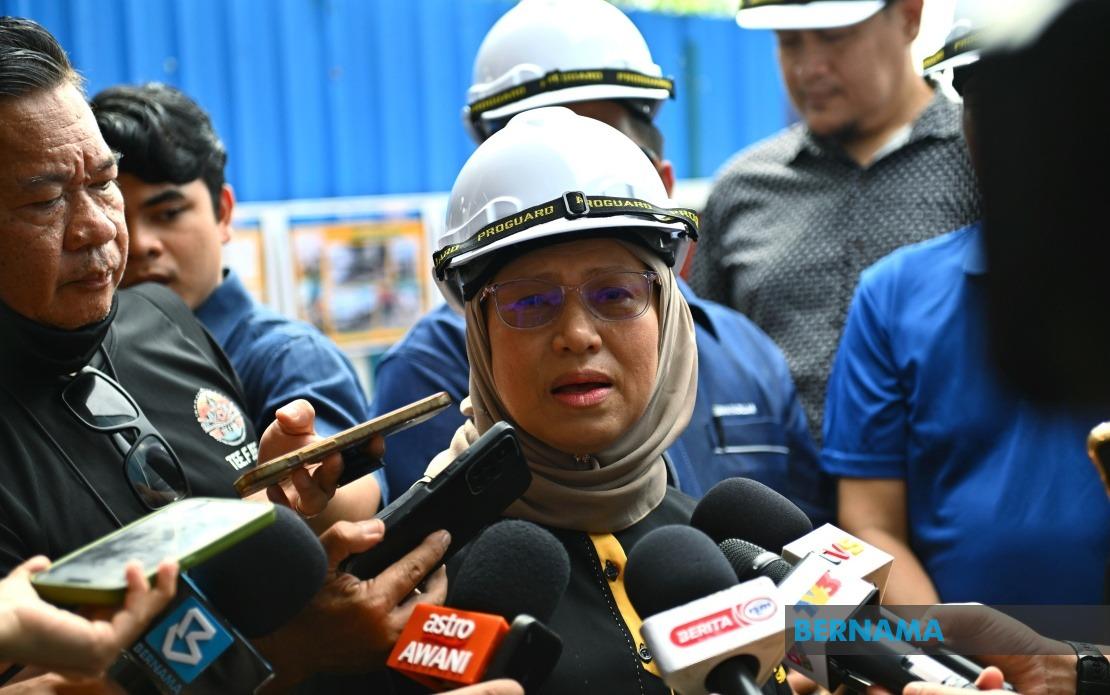
Women, Family and Community Development Minister Datuk Seri Nancy Shukri confirmed the temporary closure order, explaining that while the Education Ministry maintains regulatory oversight of kindergartens, the Social Welfare Department maintains responsibility for broader child protection concerns. She emphasised that her department is working in coordination with police and the District Education Office to thoroughly examine the circumstances that led to the complaints.
Investigations into the facility are proceeding under Section 31(1) of the Child Act 2001, the primary legislation governing child welfare offences in Malaysia. The allegations stem from a report submitted by a former kindergarten teacher who raised concerns about the treatment of children at the premises. According to Langkawi district police chief ACP Khairul Azhar Nuruddin, the complaints include assertions that children were required to sleep on bare floors without mattresses and were confined in toilet spaces—claims that authorities are treating with considerable seriousness given the vulnerability of the affected age group.
The investigation process involves gathering multiple forms of evidence to establish the factual basis of the allegations. Police are examining closed-circuit television footage from the facility, conducting interviews with potential witnesses, and collecting statements from relevant parties to determine whether the accusations have merit. This methodical approach reflects the sensitivity required when child welfare is at stake, as authorities must balance swift action to protect children with the need for proper due process.
Minister Shukri provided additional context regarding the departmental response, noting that child protection officers from the Social Welfare Department have been actively engaged with investigating officers and education officials. The kindergarten operator has already received formal cautioning regarding matters encompassing child care standards, safety protocols, and the welfare provisions mandated by law. Officials have reinforced the requirement that the facility must comply with all applicable regulations, with clear indication that legal consequences will follow if violations are confirmed.
The situation highlights the multi-layered regulatory environment within which early childhood facilities operate in Malaysia. While education standards fall under the Education Ministry's purview, child protection concerns engage the Social Welfare Department's mandate. This division of responsibility requires coordinated action, particularly when allegations of neglect or mistreatment arise. The collaborative approach being deployed in this case demonstrates how federal and state authorities can work together to investigate such sensitive matters and protect vulnerable children.
Parents with children previously attending the kindergarten have been advised to comply with police instructions throughout the investigation period. This guidance reflects authorities' emphasis on ensuring continued safety of all affected children and facilitating the investigative process. The temporary closure order serves dual purposes: it prevents potential ongoing harm while simultaneously allowing investigators to access the premises and examine conditions without operational disruptions.
For the broader early childhood education sector in Malaysia, this case serves as a reminder of the importance of maintaining rigorous standards and proper oversight. Kindergartens and childcare facilities operate under considerable trust from parents who entrust their youngest children to their care. Any breach of this trust through neglect or mistreatment undermines confidence in the sector and raises questions about the adequacy of existing monitoring mechanisms. Regulatory authorities will likely scrutinise compliance and safety protocols across similar facilities to identify whether systemic issues exist.
The allegations also reflect broader concerns about worker accountability in childcare settings. A single staff member's decision to report suspected mistreatment can trigger investigations that protect multiple children and establish important precedents about standards. This whistleblower role, while sometimes uncomfortable for employees, serves a critical protective function in an industry where children cannot advocate for themselves.
Minister Shukri, who also serves as Member of Parliament for Santubong, was in Kuching discussing the facility closure during a wider visit focusing on infrastructure development. She noted progress on the RM600,000 Pending Jetty upgrading project, which is approximately 90 percent complete and scheduled for completion by August 24. The project aims to enhance connectivity between Pending Jetty and the Kampung Muhibbah Seberang area within her constituency, with remaining work involving construction of approximately 12 to 13 metres of jetty sections and accompanying stairways.
As the investigation into the kindergarten proceeds, outcomes will be closely watched by parents, educators, and policymakers. The findings will likely influence discussions about inspection frequency, staff training requirements, and the balance between regulatory flexibility and protective oversight. For the broader Langkawi community, the case underscores that child welfare concerns are taken seriously by authorities and that mechanisms exist for investigating and addressing suspected violations.
The temporary suspension order represents immediate protective action while investigative processes unfold according to legal frameworks. Whether the allegations are ultimately substantiated will depend on the evidence gathered and analysed by police in collaboration with welfare authorities. Regardless of outcome, the case demonstrates that Malaysian authorities are prepared to act decisively when child safety is questioned.

