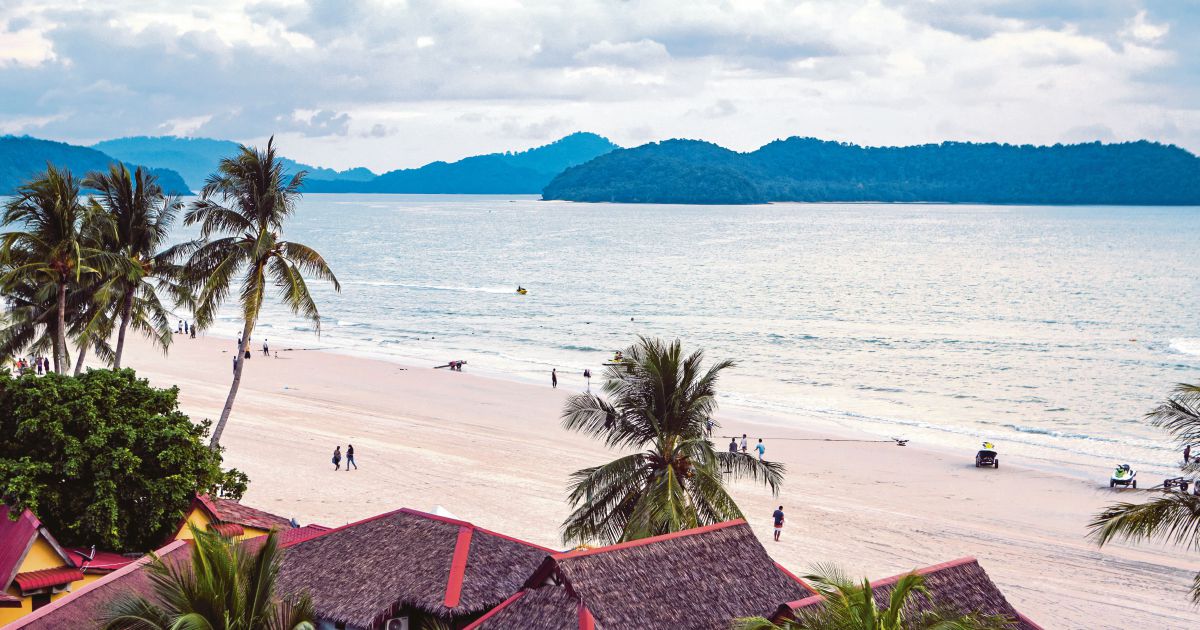
Nearly 40 years after securing duty-free status, Langkawi remains substantially underutilised in terms of its economic capacity, according to Tun Dr Mahathir Mohamad, who has raised concerns about the island's competitive standing in the region's tourism landscape. Speaking on the matter, the former prime minister highlighted that the island has realised roughly 50 per cent of what it could theoretically achieve, a sobering assessment that underscores missed opportunities and development gaps that have accumulated over decades.
The duty-free designation, intended as a catalyst for transforming Langkawi into a major commercial and tourism hub, has clearly not delivered the comprehensive economic transformation that policymakers originally envisioned. While the island has undoubtedly developed considerably and attracted investment and visitors, the gap between its actual output and theoretical potential suggests systemic constraints, inefficiencies, or strategic missteps that have constrained growth. This partial realisation of economic capacity is particularly concerning given the amount of time that has elapsed since the policy was first implemented, allowing competitors to establish themselves more firmly in regional markets.
Langkawi's situation reflects a broader challenge facing many special economic zones in Southeast Asia, where initial advantages can erode without sustained innovation, investment, and regulatory updates. The duty-free model, while still attractive, faces increasing competition from other regional destinations that have successfully diversified their offerings or invested more substantially in infrastructure, accommodation, and entertainment facilities. Thailand's Phuket, Indonesia's Bali, and other competing destinations have continually upgraded their appeal to international tourists and business travellers, making it increasingly difficult for Langkawi to maintain its market share without equivalent improvements.
Infrastructure limitations represent one significant constraint that has likely prevented fuller realisation of the island's potential. While Langkawi has developed port facilities, an airport, and road networks, these may not have kept pace with the growth in visitor numbers or the scale of ambitions for the zone. Modern tourism and commercial operations demand world-class connectivity, reliable utilities, and seamless logistics—areas where incremental upgrades may no longer suffice. A comprehensive assessment of what additional infrastructure investments are required would likely reveal substantial capital expenditure requirements that have not been adequately prioritised in past budgets.
Human capital and skills development also warrant scrutiny when examining why the island has failed to maximise its potential. Tourism and hospitality sectors, which form the backbone of Langkawi's economy, require well-trained professionals capable of delivering service standards that meet international expectations. If workforce development initiatives have lagged, this could explain why the island has not attracted higher-value tourism segments or premium commercial operations that could substantially increase revenue and employment quality. Investment in vocational training, tertiary education partnerships, and skills upgrading would be essential to unlock higher-tier opportunities.
Regulatory and administrative frameworks present another avenue where improvements could yield significant benefits. Duty-free zones function most effectively when bureaucratic processes are streamlined, compliance costs are minimised, and decision-making is rapid and transparent. If Langkawi's administrative machinery has become rigid or overly complex, this could deter new entrants and limit expansion by existing businesses. Comparing Langkawi's regulatory environment with that of successful competitors would reveal whether reforms in this domain could unlock additional growth without requiring massive capital expenditure.
Marketing and positioning also merit examination. Langkawi's brand identity within regional and global tourism markets may not have been sufficiently cultivated or differentiated from competitors. Strategic marketing campaigns that emphasise unique attractions, cultural experiences, or business advantages are essential for maintaining visibility and appeal in an increasingly crowded marketplace. If promotional budgets have been inadequate or messaging unfocused, this could explain why Langkawi has not captured as large a share of regional tourist flows as it might otherwise deserve.
The pharmaceutical and manufacturing sectors, which could theoretically benefit from duty-free status and lower operational costs, may also represent significant untapped potential. Some special economic zones have successfully attracted foreign direct investment in high-value manufacturing and research activities, generating employment and tax revenues that dwarf tourism income. If Langkawi has not actively cultivated such sectors through targeted incentives or industry partnerships, opportunities to diversify beyond tourism and increase economic resilience may have been overlooked.
Dr Mahathir's assessment carries particular weight given his historical association with Langkawi's development during his lengthy tenure as prime minister. His candid acknowledgment that the island has reached only half its capacity suggests that, despite successive administrations implementing various initiatives, fundamental barriers to accelerated growth persist. Whether these barriers are structural, regulatory, or stemming from insufficient commitment of resources, addressing them would likely require a comprehensive developmental blueprint backed by sustained political will and adequate funding.
Moving forward, stakeholders in Langkawi's future would be well-advised to commission detailed analyses identifying specific constraints limiting economic performance. Such investigations could pinpoint which sectors offer greatest growth potential, which infrastructure gaps are most critical to address, and which regulatory or administrative changes would yield the highest returns on investment. The window for reclaiming lost competitive ground remains open, but only if deliberate, strategic action is taken to bridge the gap between current performance and the island's substantial unrealised potential.

