The island of Langkawi is preparing for a significant upgrade to its emergency medical infrastructure with the introduction of a dedicated sea ambulance service, set to commence operations in the first quarter of 2025. This development marks a turning point for a community that has grappled with transportation barriers when moving critically ill or injured patients to mainland healthcare facilities, a challenge that has persisted for years despite the island's status as a major tourist destination. The initiative, backed by government funding, addresses what residents describe as a fundamental gap in emergency care access for an island population separated from the peninsula's major medical centres.
The Finance Ministry's commitment of RM5.5 million covers both the acquisition of the ambulance vessel and its initial operational expenses, signalling serious governmental intent to resolve a healthcare accessibility problem that has affected residents across all demographics. This financial allocation reflects recognition that transport infrastructure directly impacts health outcomes in island communities, where delays in emergency response can prove life-threatening. The funding represents more than symbolic support; it translates into concrete maritime assets and trained personnel dedicated to swift patient transfer during medical crises.
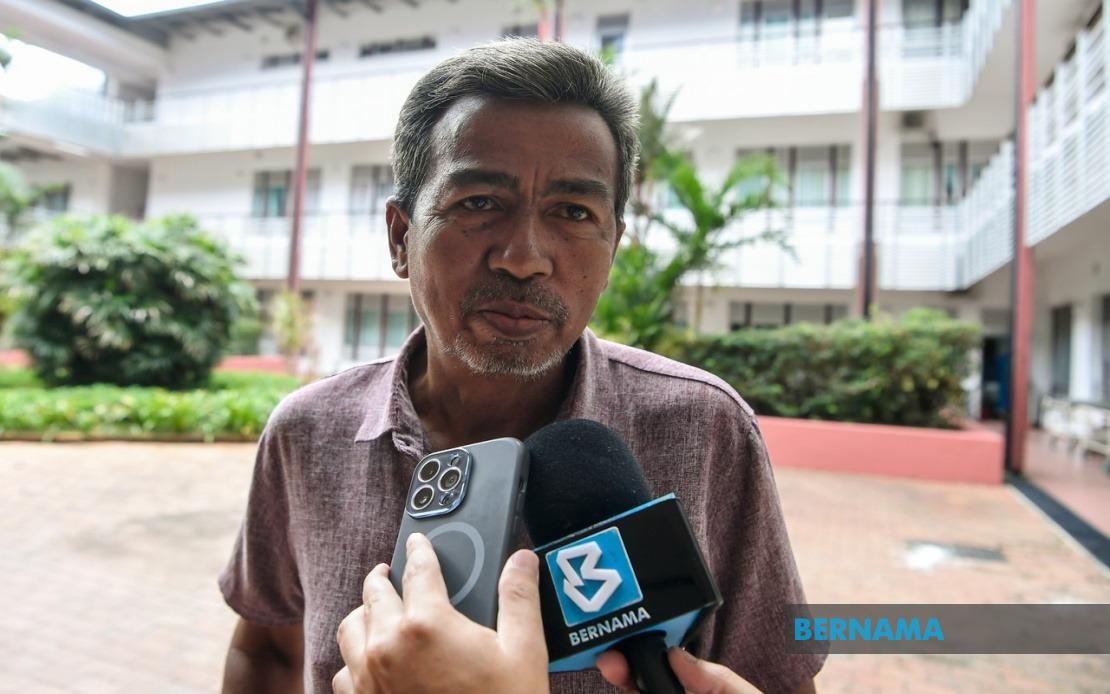
Yusuf Zakaria, chairman of the Langkawi Small Traders Association, emphasised the distinction between the upcoming government service and the existing non-governmental water ambulance currently serving the island. While acknowledging the voluntary sector's contribution, Zakaria highlighted that a formally structured, government-operated service would establish clearer protocols, accountability mechanisms, and consistency in emergency response procedures. His perspective reflects a broader concern among island communities about standardisation and reliability when lives depend on rapid medical intervention. The assurance of professionalised operations under government oversight addresses anxieties about ad-hoc arrangements that characterise some volunteer-dependent systems.
Contractor Muhamad Hafiz Abdul Jalil articulated a practical frustration that many residents share: the inadequacy of commercial ferry services for transporting patients requiring urgent medical attention. Ferry vessels prioritise passenger comfort and scheduled routes rather than medical emergency protocols, creating situations where patients deteriorate during transit or face unnecessary delays. The sea ambulance represents a purpose-built alternative designed specifically for medical transport, with capabilities for stabilising patients en route and direct routing to appropriate mainland hospitals without commercial port constraints.
The timing of operations also addresses a critical vulnerability in Langkawi's current system. Masri Ahmad pointed out that ferry services cease during evening and night hours, precisely when medical emergencies do not follow convenient daytime schedules. A dedicated sea ambulance operating beyond conventional commercial hours would eliminate the arbitrary temporal barriers currently facing residents requiring emergency transfer after dark. This around-the-clock availability represents a substantial improvement in healthcare equity, ensuring that accident victims, cardiac patients, or individuals suffering acute conditions receive timely transport regardless of hour.
Tourist considerations add another dimension to this infrastructure investment. Langkawi's economy depends substantially on visitor arrivals, and the island attracts hundreds of thousands of international tourists annually. Medical emergencies involving visitors currently create complex logistical challenges, potentially damaging the destination's reputation if inadequate emergency response becomes evident. A dedicated sea ambulance enhances Langkawi's standing as a mature, well-equipped resort destination capable of managing health crises with international-standard protocols. For many visitors, knowing that comprehensive emergency services exist provides reassurance that influences travel decisions.
The service's implementation must overcome several operational hurdles typical of maritime emergency services in Southeast Asia. Coordination with mainland hospital networks requires established communication protocols, pre-arranged landing facilities, and reciprocal agreements with receiving medical centres. Weather conditions, particularly during monsoon seasons, present unpredictable operational constraints that necessitate contingency planning. Training requirements for crew members demand investment in maritime safety certification alongside medical emergency competencies, a specialised skill set that may require recruiting personnel from outside Langkawi.
This initiative mirrors broader regional trends toward strengthening healthcare infrastructure in island communities across Southeast Asia, where geographic isolation has traditionally created two-tiered medical access. Countries including Indonesia, the Philippines, and Thailand have increasingly recognised that island populations require dedicated emergency transport solutions rather than generic healthcare funding distributed across mainland and maritime areas uniformly. Malaysia's commitment to Langkawi positions the country within this progressive framework, acknowledging that geography creates legitimate equity challenges requiring targeted intervention.
The 2025 launch timeline provides a reasonable window for procurement, crew training, and establishing operational protocols, though delays in maritime projects remain common. Successful implementation will likely generate documentation and best practices applicable to other Malaysian island communities facing similar isolation challenges. Penang, despite its infrastructure development, and smaller Sabah and Sarawak islands could potentially benefit from lessons learned during Langkawi's sea ambulance rollout.
Langkawi residents' enthusiastic reception reflects genuine relief at having their long-standing healthcare accessibility concerns acknowledged through concrete government action. The sea ambulance represents not merely an ambulance service but recognition that island residents deserve equivalent emergency care access to peninsula dwellers. This principle, once established through Langkawi's implementation, may reshape healthcare planning discussions across Malaysian maritime communities, establishing expectations that geographic separation should not determine medical emergency response quality.

