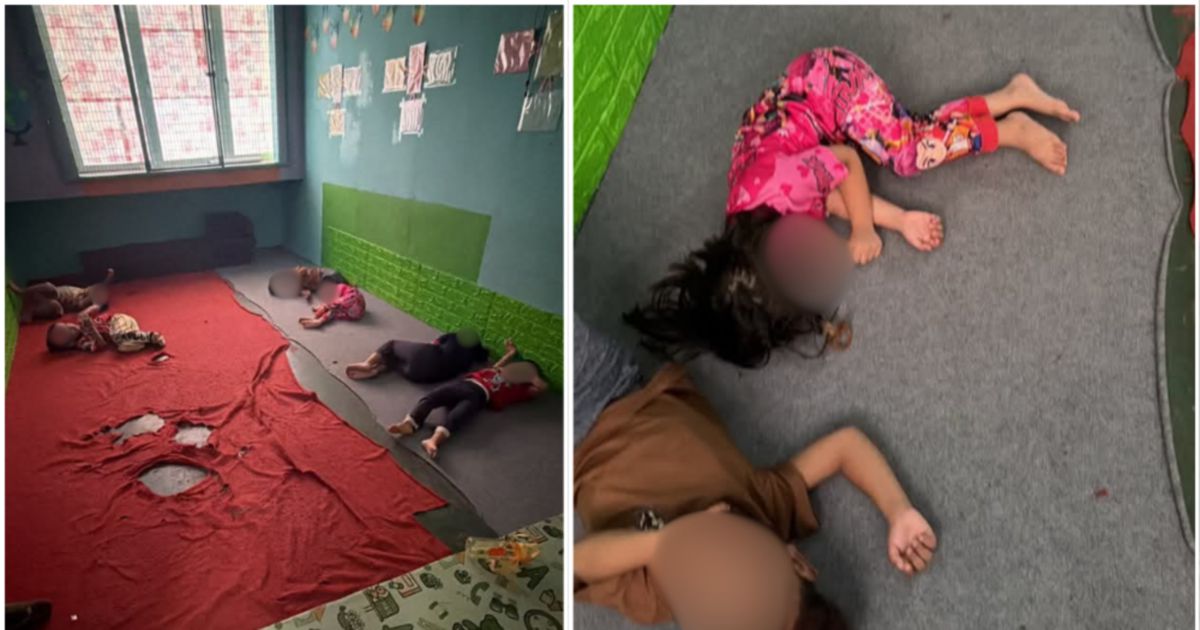
Police in Kuala Lumpur have initiated formal investigations into troubling abuse allegations at a childcare centre located in Kuah, Langkawi. The inquiry centres on reports that children enrolled at the facility were subjected to food deprivation and locked in toilet facilities, raising significant child welfare concerns across the island state.
The allegations represent a particularly serious breach of duty of care, given that parents entrust childcare facilities with the wellbeing and safety of their youngest and most vulnerable dependents. The reported practices—withholding meals and isolating children in bathrooms—constitute potential violations of Malaysia's Child Act and could trigger both criminal and civil proceedings depending on the investigation's findings.
This case arrives amid growing scrutiny of early childhood care standards in Malaysia. While many licensed facilities maintain rigorous safeguarding protocols, gaps in enforcement and inspection capacity have permitted occasional incidents of abuse to persist undetected for extended periods. The incident highlights the importance of robust monitoring systems and parental vigilance, particularly in states like Kedah where the childcare sector, though vital to working families, sometimes operates with minimal oversight.
The Langkawi case underscores a broader challenge facing Malaysian policymakers: balancing the need for affordable, accessible childcare with stringent safety standards. Many parents, particularly those in tourism-dependent economies like Langkawi, depend on daycare services to maintain employment and household income. However, this demand can sometimes outpace regulatory capacity, creating conditions where substandard facilities continue operating.
Langkawi's specific context merits consideration. The island's economy relies heavily on tourism, which means many parents work irregular or extended hours in hospitality and service sectors. This creates acute demand for flexible childcare solutions, sometimes at the expense of quality oversight. Families seeking affordable, convenient options may inadvertently place children in inadequately regulated environments.
Police involvement signals the seriousness with which authorities are treating these allegations. Investigation procedures typically involve interviews with affected families, staff at the facility, and relevant officials from the Ministry of Women, Family and Community Development. Medical examinations may be conducted to assess children for signs of malnutrition or physical trauma from confinement.
The Ministry of Women, Family and Community Development operates a licensing framework for childcare centres that includes surprise inspections, staff qualifications requirements, and facility safety standards. However, enforcement varies significantly across states, with resource constraints sometimes limiting inspection frequency. Licensed facilities must meet minimum standards for nutrition, space per child, staff-to-child ratios, and documented safeguarding policies.
These allegations also raise questions about reporting mechanisms. How did authorities learn of the alleged mistreatment? Whether through parental complaints, concerned staff members, or observation by other regulatory bodies, the case demonstrates why accessible reporting channels remain critical. Many parents hesitate to raise concerns through official channels, fearing retaliation or closure of the facility their family depends upon.
The incident carries implications extending beyond Langkawi. Across Malaysia, similar cases periodically surface, prompting temporary policy attention before momentum fades. A comprehensive response would require sustained investment in inspector training, unannounced inspection protocols, digital reporting systems for parents, and clear consequences for operators who violate safeguarding standards.
For Malaysian families, this case serves as a reminder to conduct thorough due diligence before selecting childcare providers. Checking licensing status through the Ministry of Women, Family and Community Development's website, visiting facilities unannounced, speaking with other parents, and maintaining regular communication with caregivers can help identify potential warning signs. Children's sudden changes in behaviour, reluctance to attend daycare, or physical symptoms warrant investigation.
The investigation's outcome will likely influence childcare standards discussions in Kedah and potentially nationwide. If substantiated, prosecutions could set important precedents regarding accountability for early childhood facility operators. Conversely, acquittal would necessitate examining whether allegations reflect genuine care lapses or misunderstandings about appropriate disciplinary approaches.
Meanwhile, the children involved in these allegations require immediate support. Social welfare agencies typically provide counselling and assessment to ensure affected children's wellbeing and recovery. Family-based support becomes essential following institutional trauma of this nature, particularly for very young children whose sense of safety and trust has been violated.
As the investigation proceeds, it serves as a catalyst for broader reflection on how Malaysia can strengthen childcare quality while expanding access. Policymakers, facility operators, parents, and child protection advocates must collaborate on solutions that protect the interests of some of Malaysia's most vulnerable members whilst supporting families' legitimate childcare needs.

