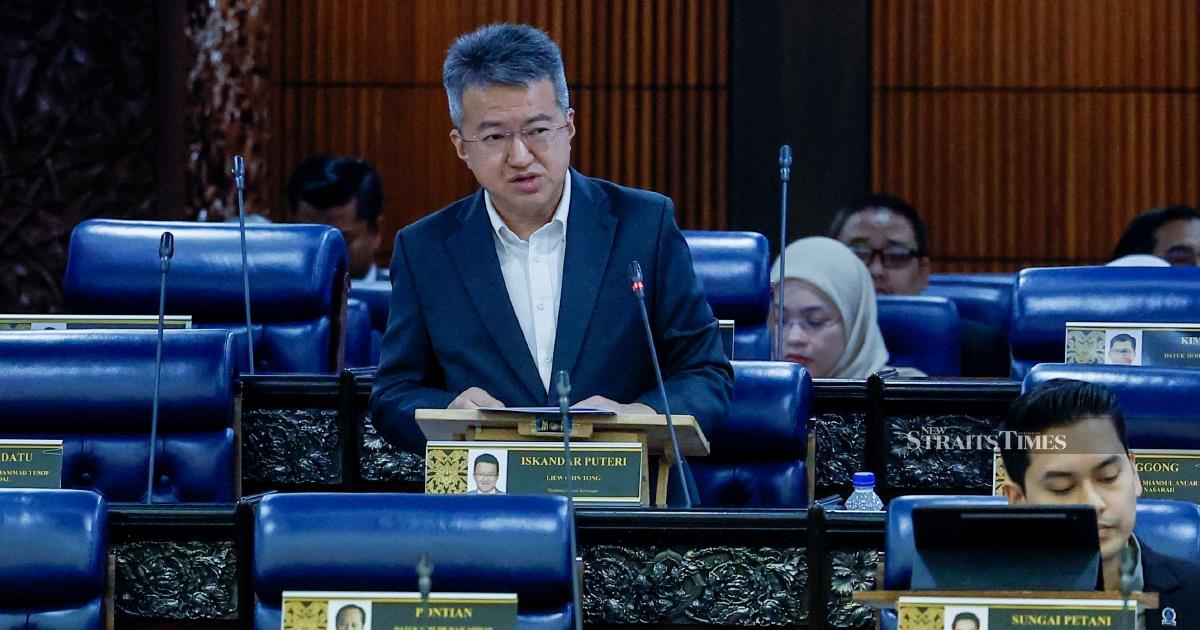
Lawmakers have moved to strengthen governance over Malaysia's national trust fund by passing legislation that will prevent unauthorised withdrawals and require explicit parliamentary approval for any future access to KWAN resources. The move follows a significant breach of trust that occurred in 2021, when RM5 billion was withdrawn from the Kumpulan Wang Amanah Negara without adequate parliamentary oversight, sparking public outcry and revealing substantial gaps in the existing regulatory framework.
The controversy surrounding the 2021 withdrawal exposed how the fund, established to serve as a sovereign asset set aside for the nation's future needs, had been left vulnerable to administrative decisions that circumvented proper democratic channels. At the time, the withdrawal raised serious questions about accountability and the adequacy of checks and balances governing access to such significant public resources. The incident prompted policymakers to undertake a comprehensive review of KWAN's operational structure and safeguards.
Under the newly enacted legislation, any future withdrawal from KWAN will be contingent upon securing a resolution from the Dewan Rakyat, Malaysia's lower house of parliament. This requirement fundamentally alters the fund's operating framework by anchoring all material decisions about its resources to the elected representatives of the people. The shift represents a significant reassertion of parliamentary authority over executive discretion in matters concerning public finances of such magnitude.
The Bill addresses multiple vulnerabilities that became apparent during the 2021 incident. Prior to its passage, the framework governing KWAN appeared to lack sufficient specifications regarding the circumstances under which withdrawals could be authorised and the procedural requirements that should accompany such decisions. This ambiguity created conditions under which substantial sums could be accessed without the formal sanction that democratic governance demands. The legislation now provides explicit, binding procedures that must be followed before any fund can be accessed.
For Malaysian policymakers and observers of public finance management, the episode highlights the critical importance of institutional safeguards when managing national wealth funds. Many countries have learned through similar experiences that sovereign wealth and trust funds require multiple layers of oversight, including legislative approval, to prevent misuse and maintain public confidence. The KWAN case exemplifies how even ostensibly straightforward administrative decisions can acquire significant political and fiscal implications.
The timing of the legislative response is noteworthy, as it reflects growing parliamentary and public concern about ensuring transparency in how government resources are deployed. The requirement for a Dewan Rakyat resolution means that future withdrawals will be subject to public debate, scrutiny by opposition members, and documented voting records that provide accountability trails. This contrasts sharply with the 2021 circumstances, where the withdrawal proceeded with minimal legislative awareness or formal approval.
Regionally, Malaysia's experience with KWAN offers instructive lessons for other Southeast Asian nations managing similar sovereign wealth instruments. As countries across the region accumulate reserves and establish long-term development funds, they face analogous questions about balancing executive efficiency with democratic oversight. The Malaysian solution—requiring explicit parliamentary approval—represents one approach to resolving this tension, though it carries implications for fund management flexibility that policymakers must carefully weigh.
The 2021 withdrawal's impact extended beyond immediate questions of procedural propriety. The incident damaged public confidence in the stewardship of national assets and raised concerns about whether elected institutions were adequately exercising their fiduciary responsibilities. By mandating parliamentary approval going forward, the new legislation signals a commitment to restoring such confidence through institutional accountability and transparency.
Implementing the new framework will require coordination between the Ministry of Finance, parliamentary administration, and KWAN trustees to establish clear protocols for presenting withdrawal requests to parliament, ensuring timely decision-making while maintaining rigorous scrutiny. The legislation does not specify detailed mechanics—such as timeframes for parliamentary consideration or voting procedures—leaving room for Standing Orders and administrative guidance to develop appropriate operational guidelines.
The closure of this governance loophole carries broader implications for Malaysia's public financial management systems. It demonstrates that even long-standing institutional arrangements can require updating when their limitations become apparent through specific incidents. Future refinements to KWAN's framework may address additional issues that implementation reveals, suggesting this legislative effort represents the beginning rather than the conclusion of governance evolution.
For stakeholders in Malaysia's economic management—including investors, civil society organisations, and international observers—the legislative action provides reassurance that weaknesses in institutional oversight are being systematically addressed. The requirement for parliamentary approval means that KWAN's resources will henceforth remain subject to democratic legitimation, a principle increasingly recognised as essential for maintaining the integrity of sovereign wealth management in contemporary democracies.

