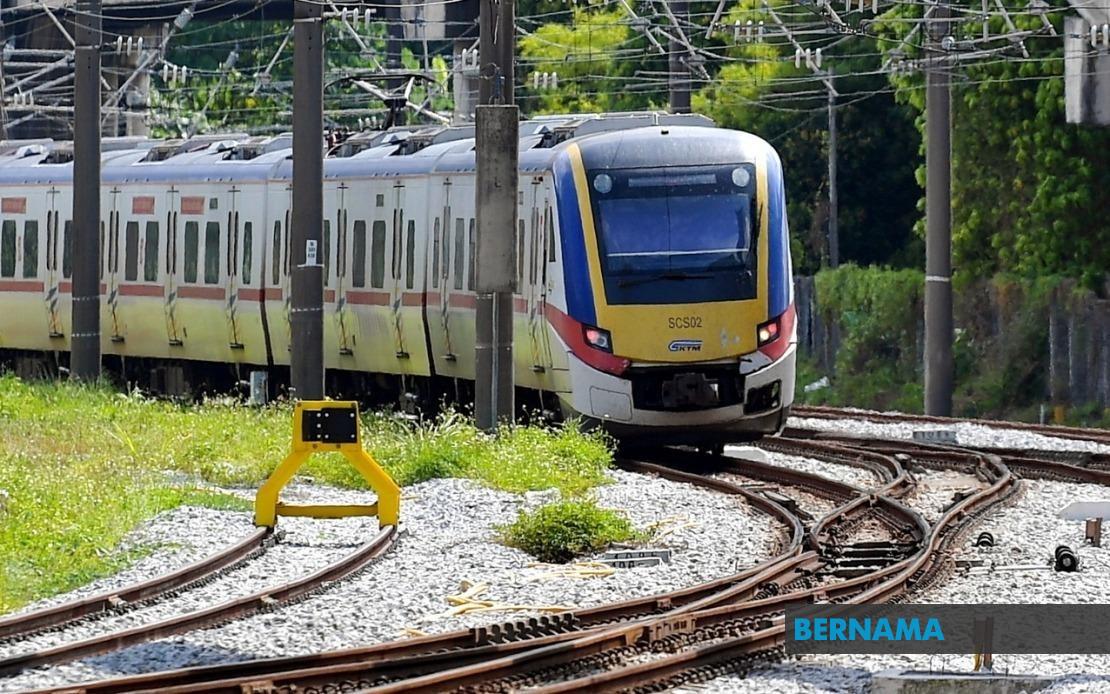
Keretapi Tanah Melayu Berhad (KTMB) is preparing for the August-September holiday crush by deploying 124 additional train services across its Electric Train Service (ETS) and regional Electric Multiple Unit (EMU) Plus network, creating approximately 38,944 new seats for passengers. The move reflects the operator's strategy to absorb seasonal demand spikes while maintaining service reliability during periods when leisure travel peaks alongside school closures and National Day festivities.
The expansion plan encompasses three distinct service categories tailored to different travel corridors and passenger volumes. The ETS, which connects Malaysia's major urban centres and serves longer-distance commuters, will operate 100 additional services offering 31,600 seats across specific dates spanning from August 21 through September 6. These services concentrate on high-demand windows: the initial three-day period from August 21 to 23, the extended weekend break from August 28 to 31, and the extended holiday period from September 4 to 6. Complementing this strategy, the EMU Plus service, which caters to intermediate-distance travellers, will introduce 24 extra services providing 7,344 seats on selected dates within the same timeframe, including a notable service extension to Bandar Tasik Selatan that addresses suburban connectivity needs.
Regional rail services have not been overlooked in this capacity expansion initiative. KTMB's northern sector Komuter network, which serves the Padang Besar-Butterworth-Padang Besar corridor connecting Thailand's southern provinces with Penang and its hinterland, will operate eight supplementary services from August 27 to 31. This targeted reinforcement brings the daily service total on this route to 46 trains, a significant boost for northern region travellers during the holiday window. For Malaysian passengers and international visitors accessing northern routes, this expansion should meaningfully reduce crowding and wait times during peak travel periods.
Tickets for all additional services became available starting August 13 through KTMB's standard sales channels, allowing passengers to plan journeys well in advance. The timing is strategic, providing sufficient booking windows for both holiday planners and those making spontaneous travel decisions as the festivities approach. This contrasts with previous periods when additional capacity announcements sometimes arrived too late for effective advance bookings, a criticism that KTMB has evidently sought to address through earlier promotional timelines.
The capacity deployment occurs against the backdrop of KTMB's 16th anniversary celebrations of the ETS service, which launched on August 12, 2010, initially serving only the Kuala Lumpur-Ipoh corridor. The service has since expanded substantially, reaching Butterworth and Padang Besar in 2015, with further southward expansion planned for late 2025. According to performance metrics released by the operator, the ETS has transported 44.3 million passengers cumulatively since inception, a testament to its integration into Malaysia's transport ecosystem. More tellingly, the January-July 2024 period recorded 3.67 million passengers against 2.36 million in the identical period last year, representing a robust 56 percent year-on-year increase that validates continued investment in capacity and service frequency.
This growth trajectory carries significant implications for Malaysia's broader transport infrastructure planning. The sustained passenger volume increases suggest that high-speed rail and rapid transit systems remain economically viable and strategically important for a developing Southeast Asian economy seeking to reduce road congestion and carbon emissions. For Malaysian commuters and holiday travellers, the expanding ETS network represents genuine alternatives to congested highways during peak periods, potentially shaving hours off journey times between major cities while reducing accident risk and fuel consumption.
KTMB's group chief executive officer Datuk Azlan Shah Al Bakri framed the capacity additions as evidence of consistent strategic commitment to service expansion and quality enhancement. His remarks emphasised that sixteen years of operational success reflects passenger confidence in the reliability of Malaysia's rail infrastructure, a soft power asset in regional competition for transport market share. The planned southward expansion at the end of 2025 suggests that KTMB envisions ETS eventually serving Malaysia's southern regions more comprehensively, potentially reshaping inter-city travel patterns in Johor and beyond.
The holiday period expansion also showcases KTMB's data-driven approach to demand forecasting and resource allocation. Rather than maintaining static service levels year-round, the operator strategically positions assets to match known seasonal patterns, optimising operational efficiency while ensuring capacity meets passenger expectations during predictable rush periods. This stands in contrast to some transport operators that maintain uniform service levels and consequently experience overcrowding during holidays.
Contemporaneously with the service expansion, KTMB has conducted customer appreciation initiatives from August 10 to 14, including promotional vouchers, meal vouchers through KFC partnerships, complimentary travel tickets, and RM16 discount offerings tied symbolically to the ETS' sixteenth anniversary. These marketing activities serve dual purposes: rewarding existing loyal passengers and creating positive sentiment heading into the busy holiday season. For a state-owned enterprise mindful of public perception and transport safety messaging, such positive engagement efforts reinforce an image of customer-centric service improvement.
The implications for Southeast Asian transport development merit consideration. Malaysia's demonstrated commitment to expanding rail capacity and frequency during peak periods establishes a template that neighbouring countries may observe and potentially emulate. As Southeast Asia grapples with urbanisation, climate change concerns, and traffic congestion, the success of services like the ETS in attracting and retaining passengers offers valuable lessons in modal shift from private vehicles to public transport infrastructure.
For Malaysian travellers planning August-September journeys along major rail corridors, the expanded service offerings represent a genuine convenience improvement with meaningful capacity buffers against overcrowding. The strategic timing of this deployment—announced well before the holiday period with early ticket sales—demonstrates institutional learning and passenger-focused operational planning that should encourage continued patronage and broader modal shift toward rail transport in Southeast Asia's most economically developed nation.

