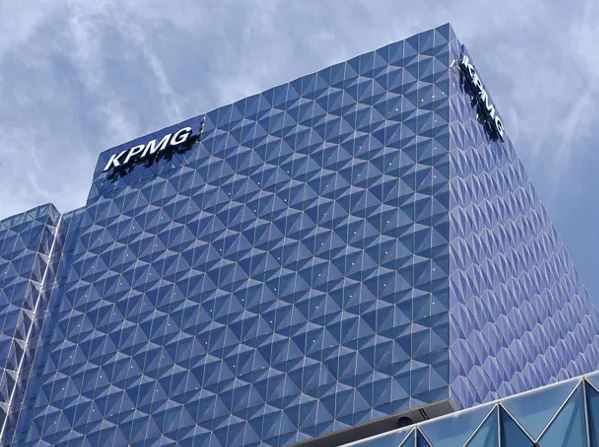
KPMG Australia has named Michael Ebeid as its first independent chairman, attempting to rehabilitate its reputation following revelations that staff improperly used confidential client information to secure audit contracts. The announcement, made on Thursday, represents the latest in a series of leadership changes aimed at restoring trust in the embattled consultancy. However, the appointment has immediately triggered concerns from parliamentary lawmakers who argue that Ebeid's prior relationship with the firm creates an unacceptable conflict of interest and undermines the independence the position is meant to provide.
The leadership restructure accelerated after KPMG revealed that its chairman and two senior partners would step down as part of a comprehensive governance reform programme. This followed earlier resignations of the chief executive officer and head of audit in May. The cascade of departures reflects the severity of reputational damage inflicted by the scandal, which first erupted publicly in March when Labor Senator Deborah O'Neill used parliamentary privilege to disclose allegations raised by a former senior executive acting as whistleblower. The revelations centred on improper misuse of confidential board papers belonging to property developer Lendlease, allegedly taken to strengthen KPMG's bids for major audit contracts.
Ebeid, who previously served as chief executive of public service broadcaster SBS, has already maintained a connection with KPMG that undermines the appearance of independence expected from such a role. He was initially appointed as an independent adviser to the firm's national board in 2024, later extending to the Asia-Pacific board from 2025. His involvement with the firm throughout the scandal's development is particularly problematic. When Senator O'Neill publicly aired the whistleblower's concerns, Ebeid responded with internal emails that the parliamentary committee subsequently released in the public interest, revealing his pre-formed views on the matter.
Those emails show Ebeid criticising Senator O'Neill's actions as "very inappropriate and unfair" immediately after she raised the allegations. He disputed the veracity of her statements, claiming many assertions, particularly regarding the timeline of events provided by the whistleblower, were "completely false". Such communications expose an entrenched perspective on the scandal that should have disqualified him from taking an independent oversight role. The existence of these communications suggests Ebeid has already invested himself emotionally and professionally in defending the firm's position, rather than maintaining the objectivity required of a truly independent chairman tasked with rooting out systemic problems.
KPMG's response to the whistleblower's complaint has itself become a focal point of the controversy. The firm initially conducted three investigations that failed to substantiate any wrongdoing, a conclusion the whistleblower and oversight authorities clearly rejected as inadequate. Only after public exposure did KPMG acknowledge mishandling the complaint and initiate a fourth inquiry. This pattern suggests institutional resistance to accountability, exactly the kind of cultural problem that should disqualify candidates with existing firm loyalty from leadership positions meant to drive reform.
Parliamentary scrutiny has intensified following Ebeid's appointment. Barbara Pocock, a Greens senator serving on the parliamentary committee investigating the scandal, has labelled the appointment a "clear conflict of interest" that fails basic ethics standards. She argues that Ebeid's emails demonstrate extensive knowledge of and pre-formed opinions about both the firm's internal events and the whistleblower's allegations, knowledge acquired while simultaneously serving in advisory roles. This creates an impossible situation where Ebeid would be investigating matters about which he has already expressed committed positions.
Pocock's assessment cuts to the heart of what the appointment signals about KPMG's reform sincerity. While the firm publicly commits to strengthening governance and rebuilding trust, selecting a chairman with deep entanglement in the scandal's defence suggests the opposite. "Mr Ebeid's appointment shows the deeply embedded nature of the cultural problems at KPMG," Pocock stated, pointing out that the choice risks "entrenching the very culture and leadership that need to change". Her conclusion that the appointment fails ethics tests reflects broader concern that KPMG is performing the appearance of reform while resisting genuine transformation.
Despite these criticisms, Ebeid has articulated a mandate focused on restoring board governance, embedding integrity throughout the organisation, and driving cultural and structural reforms necessary to rebuild confidence. He stated that his first priority involves reviving the effectiveness of the board itself, acknowledging that governance architecture appears to have failed catastrophically. The firm also announced it would accelerate recruitment of a new CEO, with the board expected to confirm an appointment before the end of July, indicating at least some recognition that existing leadership lacks credibility.
The timing of Ebeid's appointment carries additional significance within Australia's broader regulatory environment. A day earlier, the centre-left Labor government indicated it was contemplating structural remedies against the Big Four accounting firms in response to repeated sector scandals. Breaking up these giants would represent a historic intervention in Australia's professional services landscape. Against this backdrop, KPMG's appointment of a internally-compromised chairman appears tone-deaf, suggesting the firm is banking on incremental leadership changes to forestall more radical government action rather than undertaking the comprehensive cultural renovation the scandal demands.
For Malaysian and Southeast Asian observers, KPMG Australia's struggles offer instructive lessons about professional services governance. The Big Four firms operate extensively throughout the region, and similar audit independence failures have occurred in multiple jurisdictions. The Australian scandal reveals how independent oversight mechanisms can become corrupted when insiders transition into supposedly independent roles without sufficient temporal or institutional separation. It also demonstrates how whistleblower protection systems depend entirely on robust institutional responses; when firms treat allegations dismissively through multiple inadequate investigations, the legal frameworks protecting complainants become meaningless.
The unfolding situation will test whether KPMG can genuinely reform or whether the appointment signals that deeper governance failures remain unaddressed. Ebeid's position as independent chairman becomes a barometer of the firm's actual commitment to change. If he pursues genuine accountability and cultural transformation despite his prior investment in the firm's defence, he might salvage the appointment's credibility. If instead he pursues incremental reforms that preserve the status quo, Pocock's ethics concerns will prove prophetic, and government intervention becomes increasingly likely.

