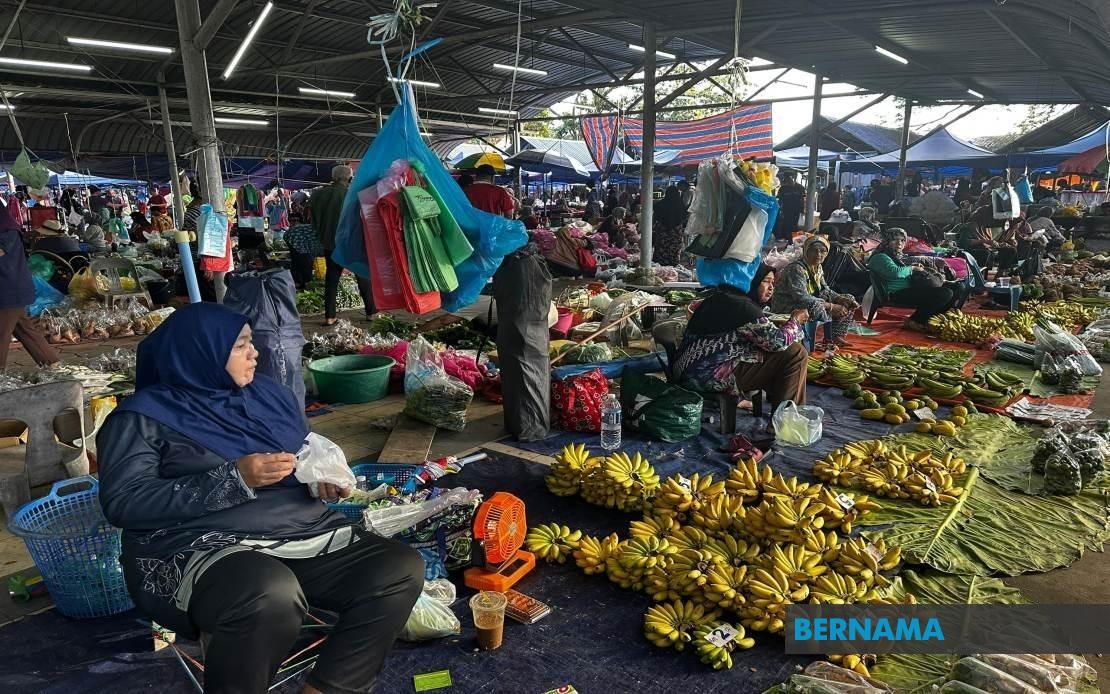
The Sabah State Legislative Assembly heard this week that efforts to secure UNESCO World Heritage Site designation for Kota Belud Tamu, the region's historic traditional market, will require substantial foundational work before any formal nomination can proceed. Assistant Minister of Tourism, Culture and Environment Dr Andi Md. Shamsureezal cautioned legislators that the pathway to such recognition is neither quick nor straightforward, involving multiple stages of rigorous evaluation that could span years.
The minister explained that UNESCO's nomination framework demands far more than local enthusiasm or commercial interest. Prospective sites must undergo comprehensive scholarly investigation examining both the physical structures and immaterial cultural elements that define the location. For Kota Belud Tamu specifically, this means commissioned research into its historical significance, architectural features, and the living traditions that continue to animate the market's weekly gatherings. Documentation must be methodical and extensive, capturing details that external evaluators can independently verify.
A cornerstone requirement is demonstrating what UNESCO terms "Outstanding Universal Value"—evidence that the site transcends local or national importance to possess significance for humanity as a whole. This threshold distinguishes between places of regional interest and those worthy of international protection status. For a traditional market in Malaysian Borneo, researchers would need to establish what makes Kota Belud Tamu unique within global contexts, whether through its market mechanics, cultural practices, historical role in trade networks, or preservation of endangered traditions.
Scientific rigor underpins the entire process. Nominations must be supported by peer-reviewed research and credible historical evidence rather than anecdotal accounts or community memory alone. Archaeological surveys may be required to establish historical continuity. Anthropological documentation of market rituals and trading customs would strengthen a case. Academic partnerships and expert testimonies carry particular weight in UNESCO assessments, making collaboration with universities and heritage organisations essential components of preparation.
Sabah already holds one UNESCO distinction relevant to Kota Belud's prospects. The Kinabalu UNESCO Global Geopark, designated in May 2023, encompasses the Kota Belud district within its broader geological and cultural landscape. This designation recognises the area's earth science significance and creates a framework within which the Tamu market operates. The geopark designation, while not identical to World Heritage status, provides an existing institutional structure and international recognition that could complement a separate heritage nomination.
Building on this foundation, Sabah Parks has launched the "Tamu Geopark" programme designed to marry heritage conservation with sustainable economic development. The initiative positions the weekly market as more than a commercial space—it becomes a cultural showcase where visitors encounter authentic local gastronomy, traditional clothing, handcrafted goods, and community-produced items tied to the surrounding landscape. This integrated approach aligns with contemporary UNESCO philosophy, which increasingly values living cultural practices and community-based initiatives alongside physical preservation.
The economic dimension deserves emphasis for Malaysian policymakers considering heritage nominations across the region. Strategic positioning of heritage sites can generate tourism revenue and create employment in rural areas, yet UNESCO designation itself demands that economic benefits remain secondary to preservation and scholarly understanding. For communities like those around Kota Belud, the challenge lies in leveraging heritage recognition to improve livelihoods without commodifying cultural practices in ways that undermine their authenticity or meaning.
The minister's measured response reflects international best practice. UNESCO has faced criticism for rapid or insufficiently vetted designations that later proved controversial or failed to deliver promised community benefits. The deliberate pace and demanding documentation requirements serve protective functions, ensuring that sites genuinely merit protection and that local stakeholders understand their obligations and opportunities. Rushing nominations risks rejection and wasted resources.
For Malaysian heritage advocates beyond Sabah, the Kota Belud case illustrates patterns likely relevant elsewhere. Peninsular Malaysia possesses numerous sites with potential UNESCO significance—ancient trading ports, traditional craft centres, colonial heritage areas, and indigenous cultural landscapes. Each faces comparable documentation burdens. The Kota Belud pathway thus offers instructive precedent for other states aspiring to international heritage recognition, demonstrating that serious consideration of such nominations requires dedicated teams, sustained funding, and patience spanning multiple years.
The question posed by Datuk Mohd Arsad Bistari reflects growing recognition within Southeast Asian legislatures that cultural preservation and international designation carry strategic importance for regional development and identity. As cultural globalisation accelerates, heritage protection becomes increasingly valuable. Yet the UNESCO framework, while prestigious, remains selective and demanding. Sabah's commitment to proceeding methodically with Kota Belud Tamu suggests understanding that authentic preparation yields stronger outcomes than expedited applications.

