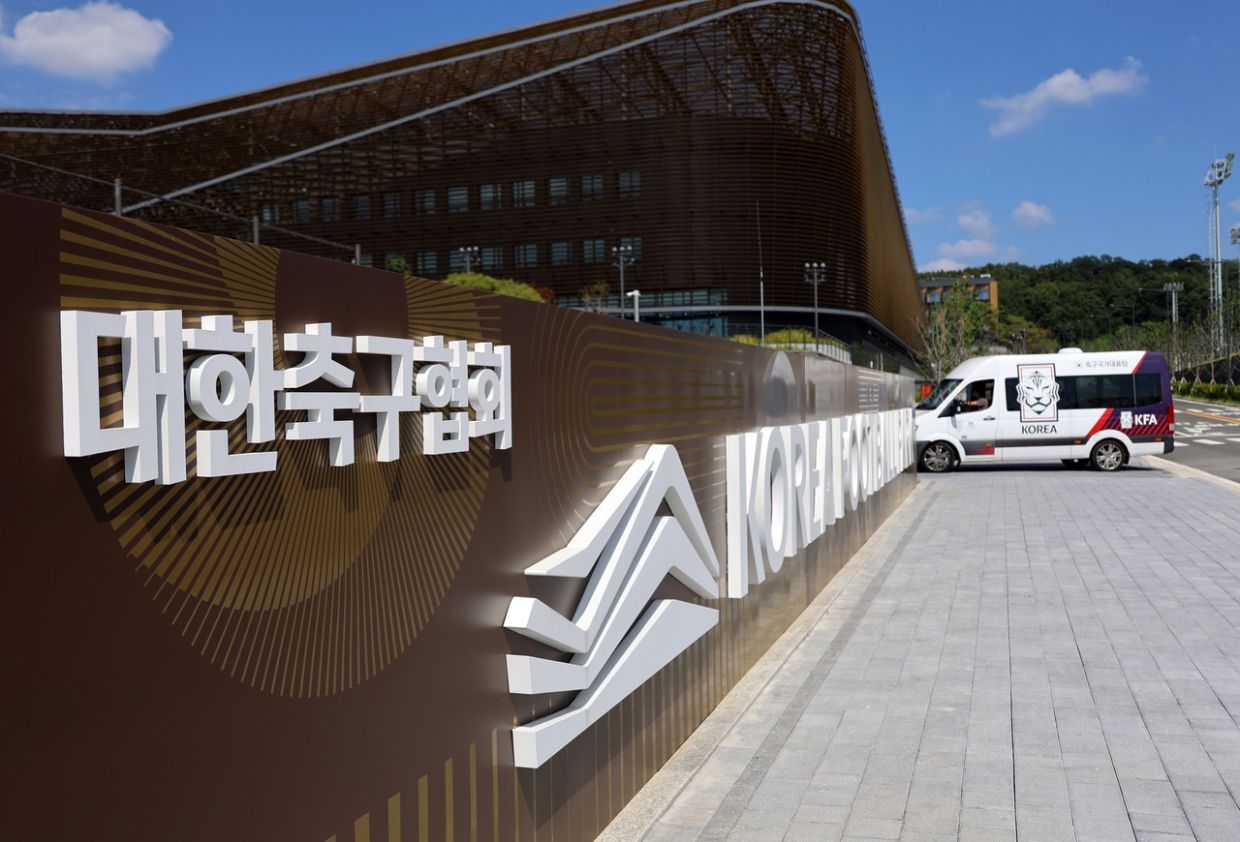
A deepening controversy surrounding the Korea Football Association's alleged use of sexual entertainment to influence foreign referees has crossed international boundaries, with authorities in Japan launching their own investigation into potentially compromised officials. The JFA confirmed on Sunday that it is examining four Japanese referees believed to be among those who received improper benefits, marking the first formal inquiry beyond South Korea's borders as the scandal continues to reverberate through football's governance structures across Asia.
The allegations emerged from a 2016 audit conducted by South Korea's Ministry of Culture, Sports and Tourism that lay dormant until a recent media report on August 6 thrust the matter into the spotlight. According to the audit findings, the KFA deployed corporate credit cards on eight separate occasions to pay for entertainment at massage establishments, providing these services to approximately ten foreign referees and match commissioners connected to seven competitive matches played in South Korea between March 2011 and March 2012. These matches encompassed three World Cup qualifiers and Olympic qualification games, alongside four friendly internationals, creating potential exposure across multiple competition formats overseen by FIFA.
The documented matches during this period produced a winning record for the South Korean national team, which went five wins, two draws and zero losses. This performance pattern has naturally prompted speculation about whether the match outcomes may have been artificially influenced by the alleged inducements, though officials in Seoul have consistently denied that sporting results were compromised. The distinction between entertaining officials and attempting to manipulate match outcomes remains critical to understanding the precise nature of the violations, even as the ethical breaches themselves are acknowledged.
The KFA issued a formal public apology on Saturday after mounting domestic pressure, including a parliamentary hearing examining the association's governance practices and a police raid on its headquarters the previous week connected to a separate controversy involving the 2024 appointment of former national team manager Hong Myung-bo. In its statement, the organization expressed deep regret for the disappointment and concern generated by the accumulated controversies, explicitly stating it did not condone the historical conduct and committing to comprehensive institutional reforms designed to enhance transparency and restore public confidence in its operations.
Japanese media outlets have already identified two referees alleged to have officiated matches central to the audit findings. One of the identified officials currently holds a significant position within Japanese football administration, overseeing referees in the J-League, the country's premier professional competition. Another referee mentioned in connection with the scandal served as the crew chief for Japan's four-person officiating team during South Korea's 2012 World Cup qualifier victory against Kuwait, a match the audit specifically lists as involving entertainment provided to two referees. However, some Japanese sports commentators have cautiously noted that simply officiating a match does not definitively establish that an individual referee personally received the alleged benefits.
The expanding investigation highlights the interconnected nature of international football governance and the cross-border implications when institutional oversight failures become public. Southeast Asian football communities are watching closely, particularly given the region's growing prominence in FIFA competitions and the need for referees with unblemished credibility to maintain the integrity of qualifying matches and regional tournaments. The scandal underscores vulnerabilities in how different football associations have historically managed their relationships with match officials and the absence of uniform, transparent mechanisms for vetting and monitoring such interactions.
International observers have raised the possibility of FIFA sanctions and required governance overhauls as potential consequences, though experts suggest formal disciplinary action faces significant practical hurdles. FIFA's ethics code typically establishes a statute of limitations spanning five to ten years for most violations, and the conduct documented in the 2016 audit appears to fall outside the narrower, temporally unlimited category reserved for sexual abuse or exploitation cases. Moreover, the majority of referees identified in the audit have since retired from active service, further complicating any formal enforcement action that FIFA might contemplate.
A related criminal investigation launched in South Korea was previously closed due to insufficient evidence to sustain charges, a development that reflects the complexities of prosecuting such cases where establishing direct quid pro quo arrangements proves legally challenging. The passage of time since the alleged incidents, combined with the difficulty of obtaining testimony from participants willing to document improper conduct, has created evidentiary barriers that extend beyond the football regulatory sphere into criminal law enforcement.
The unfolding situation illustrates broader systemic challenges within international football governance, particularly regarding the oversight of relationships between administrations and match officials. Many football associations across Asia and beyond have operated with limited external scrutiny of such arrangements, relying primarily on internal compliance mechanisms that may lack sufficient independence or rigor. The KFA scandal serves as a catalyst for examining whether similar practices may have occurred elsewhere within the region's football ecosystem, prompting calls for standardized accountability frameworks across AFC member nations.
For Malaysian readers and the broader Southeast Asian football community, this scandal carries particular resonance given the region's aspirations to host and compete in major international tournaments. The credibility of match officials and the perception of fair play are foundational to maintaining public confidence in competitive outcomes. As football's governing bodies worldwide reassess their relationships with referees and match officials, the KFA scandal demonstrates that institutional failures, regardless of their age, can undermine the legitimacy of sporting competitions and necessitate comprehensive governance reforms that extend well beyond mere symbolic apologies.

