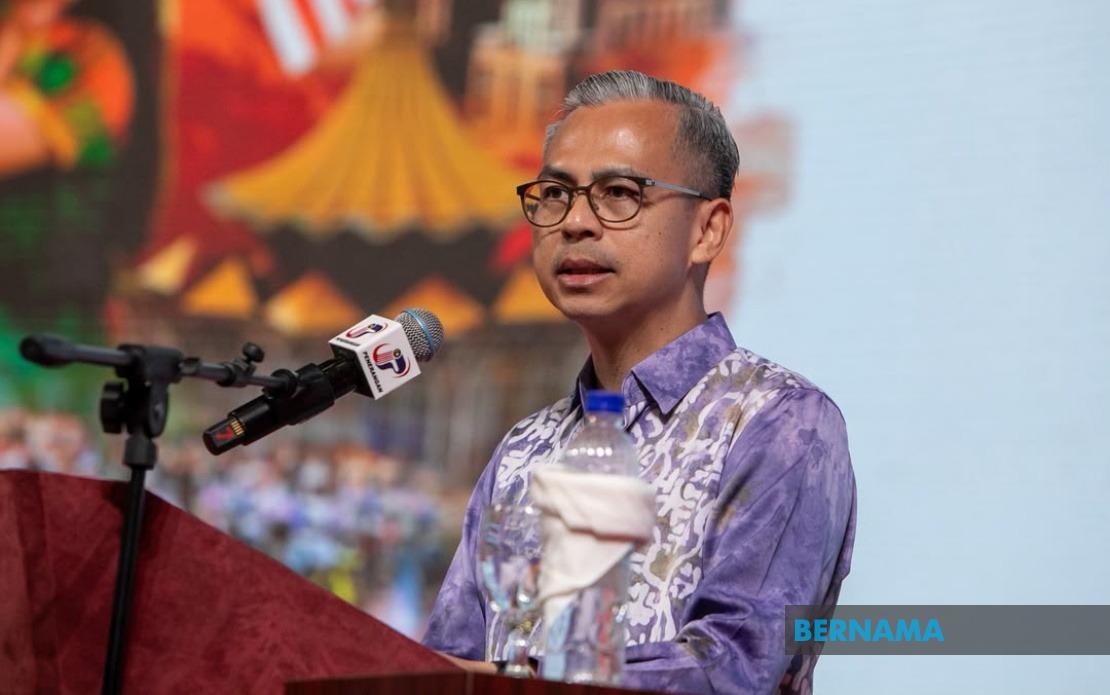
Malaysia's Kembara Merdeka Jalur Gemilang convoy will maintain its role as a significant vehicle for cultivating patriotic sentiment and strengthening national cohesion among citizens from all corners of the country. Communications Minister Datuk Seri Fahmi Fadzil outlined this commitment during the launch of the 2026 National Month and Fly the Jalur Gemilang campaign, held at the Sultan Azlan Shah Ministry of Health Training Institute in Tanjung Rambutan, Ipoh, on July 19.
The initiative continues under this year's National Month and Malaysia Day celebrations framework, which operates under the overarching Malaysia MADANI vision of shared prosperity. Rather than scaling back the traditional convoy programme, the government intends to leverage it as one of the primary focal points for commemorating the nation's heritage and fostering deeper appreciation among Malaysians for their country's independence and democratic achievements. This positioning reflects official recognition of the convoy's effectiveness in reaching diverse communities across the peninsula.
Minister Fahmi acknowledged that the 2026 celebrations would proceed with measured financial prudence, ensuring efficient deployment of existing resources without compromising the substantive messaging around national pride and patriotic values. This balanced approach signals the government's commitment to maintaining meaningful observances during challenging economic periods while avoiding wasteful expenditure. The emphasis on doing more with available means reflects broader fiscal discipline within the administration's approach to public programming.
Central to the renewed campaign is the intensification of the One House, One Jalur Gemilang initiative, designed to mobilise ordinary Malaysians to display the national flag prominently outside their homes and premises. Officials view widespread flag-flying as a tangible expression of national sovereignty and pride, transforming domestic spaces into visible reminders of shared identity. By democratising patriotic expression beyond formal state ceremonies, the initiative seeks to embed national consciousness within everyday Malaysian life across both urban and rural settings.
The campaign's emphasis on flag displays carries particular significance for Southeast Asian audiences, where national symbolism often serves as a unifying force amid diverse ethnic and religious populations. Malaysia's experience with balancing multiculturalism and national identity has long centred on shared symbols, and the renewed focus on the Jalur Gemilang represents an attempt to reinvigorate this common ground. For neighbouring countries grappling with similar cohesion challenges, Malaysia's approach offers an instructive case study in symbolic nation-building.
Prime Minister Datuk Seri Anwar Ibrahim officially inaugurated the campaign, underscoring the government's priority in maintaining civic engagement around independence and sovereignty themes during the transition to midterm electoral cycles. His presence alongside Communications Minister Fahmi and National Unity Minister Datuk Aaron Ago Dagang demonstrated coordinated messaging across multiple governmental portfolios responsible for social cohesion, media relations, and patriotic programming. This multi-ministerial alignment suggests heightened strategic focus on national unity dimensions ahead of anticipated political developments.
Perak Menteri Besar Datuk Seri Saarani Mohamad's participation highlighted sub-national engagement in the national campaign, indicating that state governments share responsibility for implementing patriotic initiatives at grassroots level. The Perak dimension reflects the geographic diversity of the KMJG convoy model, which historically traverses multiple states to reach dispersed populations and reinforce territorial integration within the broader Malaysian nation-state framework.
The 2026 timing positions these patriotic campaigns within a specific national calendar context, where Malaysia Day and National Month observances provide structured opportunities for collective expression of national sentiment. Unlike ad hoc patriotic appeals, anchoring such initiatives within established ceremonial frameworks lends them institutional legitimacy and ensures predictable public engagement patterns. For Malaysian citizens and foreign observers alike, these regular commemorations mark temporal markers reinforcing national consciousness.
The choice to emphasise the Malaysia MADANI theme of shared prosperity alongside patriotic and unity messaging reveals official strategy to link abstract nationalist concepts with tangible governance outcomes. By framing national celebrations around development and welfare distribution, the administration attempts to demonstrate that patriotism serves practical purposes beyond emotional or ceremonial value. This approach resonates particularly in Southeast Asia, where citizens increasingly expect national symbols to connect with concrete improvements in living standards and economic opportunity.
For Malaysian business communities and international investors, the government's commitment to maintaining stable patriotic frameworks and social cohesion through symbolic initiatives signals confidence in long-term political stability. Nations demonstrating healthy civic engagement around national symbols and independence themes generally project stronger institutional stability and predictability for external stakeholders. Malaysia's renewed emphasis on the KMJG convoy and flag campaigns thus carries implications beyond domestic politics, subtly reinforcing investor confidence in the country's governance trajectory.
The resource-conscious approach to 2026 celebrations also addresses growing public expectations around governmental fiscal responsibility. By optimising available funding rather than requesting budget increases for patriotic programming, officials navigate political sensitivities around public expenditure while maintaining substantive commemorative activities. This pragmatic stance may enhance public perception of governmental stewardship among cost-conscious citizens concerned with broader economic management.
Moving forward, the success of these initiatives depends partly on grassroots enthusiasm and community participation in flag-flying campaigns and convoy engagement. Government messaging alone cannot sustain patriotic sentiment; genuine citizen response requires that symbolic initiatives resonate with lived experiences and genuine attachment to national identity. The forthcoming National Month period will test whether intensified campaigning translates into expanded participation or reflects official aspirations exceeding public enthusiasm.

