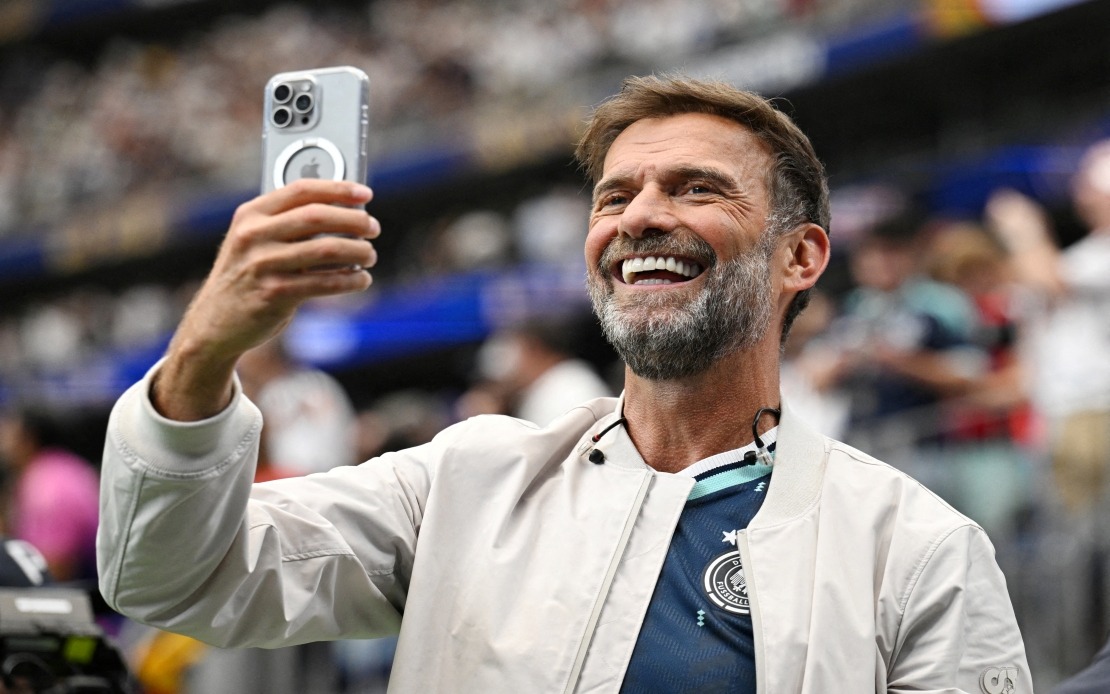
Jürgen Klopp has publicly acknowledged that he is engaged in discussions with the German Football Federation regarding the vacant national team coaching position, following Julian Nagelsmann's departure after nearly three years in charge. Speaking on MagentaTV, the widely respected tactician emphasized that while he possesses the energy and enthusiasm required for the role, any formal appointment will require considerable time to negotiate and finalize.
Nagelsmann's resignation came in the wake of Germany's disappointing elimination from the World Cup in the round of 32, losing on penalties against Paraguay. This result marked a significant setback for the German national programme and prompted the federation to seek fresh leadership. Klopp's involvement in preliminary discussions represents a natural progression, given his stellar track record rebuilding struggling football programmes into competitive forces.
The 57-year-old, who spent six transformative years at Liverpool before departing in summer 2024, stressed that the underlying challenges facing German football transcend the tenure of any single individual. "The problems we have at the moment are not linked to the person Julian Nagelsmann," Klopp explained, suggesting that systemic structural issues within the programme require comprehensive examination rather than a simple managerial change. This candid assessment indicates his analytical approach to the opportunity.
Currently occupying the position of Head of Global Soccer at Red Bull, Klopp has remained outside active coaching management for approximately one year. However, he conveyed that his sabbatical has rejuvenated him professionally and mentally. "I am more than recharged now, so I am ready," he declared, signalling genuine interest in returning to day-to-day coaching responsibilities despite his administrative role's intellectual demands.
Klopp's respect for his predecessor was evident in his remarks, describing Nagelsmann as an "extraordinary coach" whose tactical abilities and football intelligence remain unquestioned. The implication was clear: Germany's World Cup failure resulted from circumstances beyond managerial competence alone. Had the outcome differed, Klopp suggested, the entire narrative surrounding Nagelsmann's future would have shifted considerably.
The complexity of negotiations extends beyond the German Football Federation and Klopp himself. His existing contract with Red Bull, which runs until 2029, presents a significant contractual hurdle. Klopp acknowledged that he has already engaged in preliminary discussions with his superior at Red Bull, Oliver Mintzlaff, to explore potential pathways forward. The energy drink manufacturer would need to navigate the departure of a prominent executive without suffering reputational damage.
Klopp's framing of a potential resolution emphasized mutual satisfaction for all parties involved. He articulated a vision where Germany, Red Bull, and himself could emerge from negotiations with enhanced standing and reputation rather than acrimonious separation. This diplomatic language reflects his understanding that complex organizational transitions require careful stewardship and relationship preservation.
For Malaysian and Southeast Asian football observers, Klopp's potential appointment carries broader implications for global football governance and elite coaching mobility. His track record suggests that even established football nations can require systematic overhaul and fresh perspectives. His willingness to engage with the German Football Federation demonstrates how top-tier coaching talent remains concentrated among a limited pool of internationally recognized figures, a dynamic that influences football development globally.
The negotiation timeline remains uncertain, though Klopp's emphasis on "intensive talks" suggests these discussions will not reach swift resolution. The German Football Federation faces pressure to stabilize the national programme while Klopp must extract himself from Red Bull commitments without creating institutional friction. Both parties recognize that any agreement must satisfy multiple stakeholders, from federation leadership to the corporate entity employing the legendary manager.
This situation also reflects broader trends in modern football administration, where global football operations increasingly intertwine with multinational corporations. Red Bull's substantial investment in professional football across multiple countries means that losing a high-profile executive like Klopp requires strategic compensation and restructuring. The federation's approach to resolving this arrangement will set precedents for future negotiations between national football bodies and corporate-sponsored football operations.
Klopp's potential appointment would represent a significant statement of intent from the German Football Federation, signalling their commitment to comprehensive renewal despite the costs and complications involved. His proven ability to diagnose organizational dysfunction and implement systemic improvements positions him as precisely the figure capable of addressing the structural issues he identified in his preliminary assessment of German football's current state.

