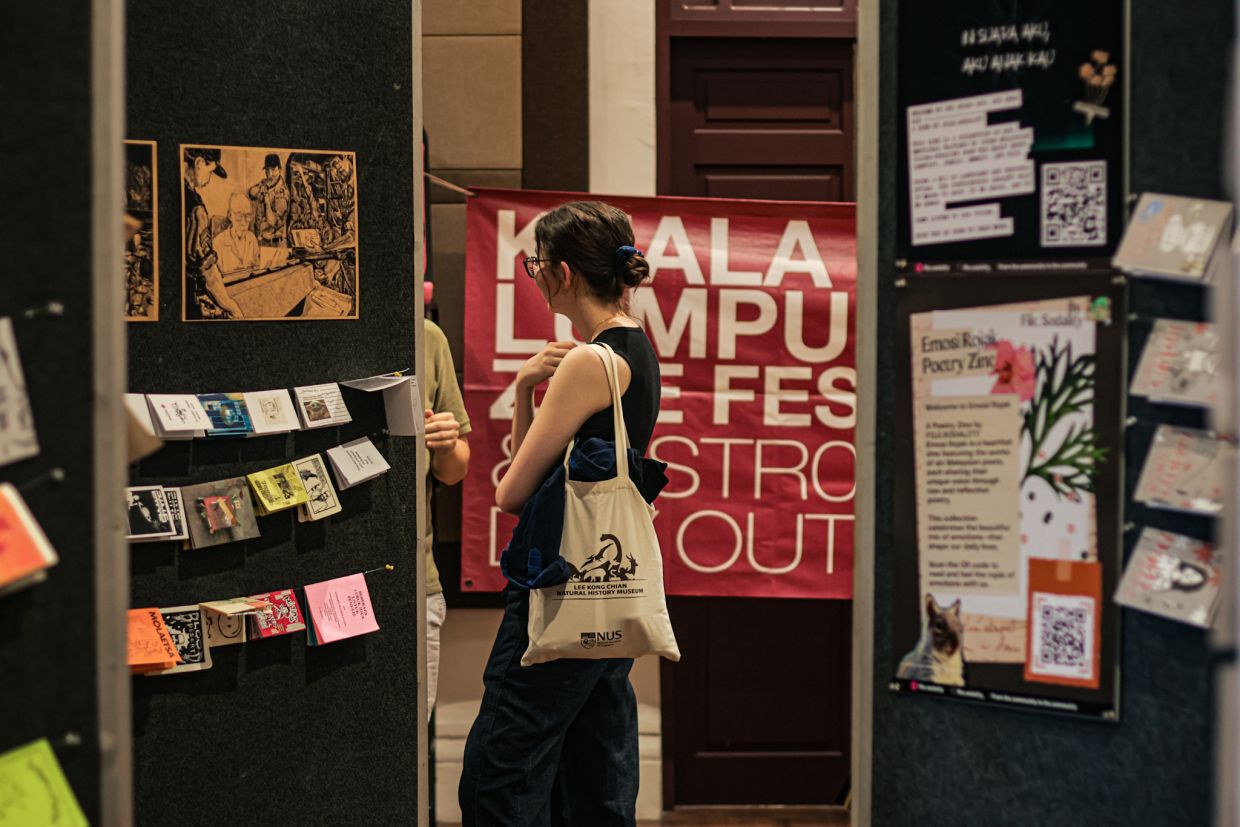
Kuala Lumpur's burgeoning independent arts scene is set to gain further momentum with the return of KL Zine Etc, a festival that has quickly become a fixture on the city's cultural calendar. The second edition of the event, which transforms the heritage trade hall's first floor into a creative marketplace, signals the increasing vitality of grassroots publishing and DIY culture in Malaysia. By anchoring itself to alternative forms of expression and community-driven artistic practice, KLZE represents a conscious turn away from commercial publishing toward more intimate, experimental, and locally rooted storytelling.
Expanding substantially from its inaugural showing, the festival now welcomes more than 50 vendors compared to the original 30, reflecting growing interest in independent publishing among creators and audiences alike. The enlarged vendor base brings together zinesters, printmakers, artist-book creators, and self-published authors whose output ranges from handcrafted zines and experimental publications to limited-edition works that would struggle to find shelf space in conventional bookshops. This proliferation underscores a creative ecosystem that thrives on the merdeka spirit embedded within zine culture itself—a deliberate embrace of independence, autonomy, and counter-cultural expression that has defined independent publishing movements globally.
The most distinctive element of this year's festival centres on an anti-war themed exhibition and programming framework, a thematic choice that organisers deliberately positioned within broader geopolitical contexts while also exploring more intimate dimensions of conflict. Beyond the conventional understanding of warfare between nations, KLZE's organising committee conceived the anti-war concept to encompass internal struggles shaped by mental health, questions of identity, and ideological differences. This conceptual approach transforms the festival from a purely commercial or cultural event into a space for deeper civic reflection and dialogue about how communities navigate division and difference. The framework invites vendors and visitors to construct their own "ceasefire zones"—physical and intellectual spaces dedicated to peaceful exchange, contemplative reading, and collaborative sharing.
The breadth of thematic content on display reveals the intellectual range of Malaysia's independent publishing scene. Participating vendors explore contemporary fanzine practices, punk and DIY aesthetics, folk narratives and indigenous activism, graphic novels and comics, environmental sustainability, feminist perspectives, and speculative fiction including role-playing game materials. This diversity reflects how independent publishers have become incubators for marginal voices and experimental storytelling forms that mainstream publishers often overlook or consider commercially risky. From Otter Is Reading to Cari Gadoh, from Bang Bang Zines to The Storyteller's Caravan, each vendor brings distinctive editorial perspectives and production aesthetics that collectively map an alternative literary landscape.
A particularly significant dimension of KLZE's expansion is its explicitly national character. The festival brings together independent creators and publishers from across Malaysia's peninsular and East Malaysian regions, including Kedai Hitam Putih from Kelantan, Pipit Press from Melaka, Shuren Press from Johor, Olivia JD from Sarawak, and Borneo Komrad from Sabah. This geographical reach demonstrates how independent publishing has taken root across diverse Malaysian communities and regional contexts, challenging the perception that such grassroots creative activity concentrates exclusively in major urban centres. By creating platforms for these distributed networks to connect, KLZE functionally strengthens the national independent publishing ecosystem and enables cross-regional exchange.
The festival's second edition marks an important shift toward regional prominence within Southeast Asian creative circles. KLZE now attracts independent publishers and zinemakers from Singapore, Indonesia, the Philippines, Hong Kong, China, Myanmar, and Taiwan, positioning the Kuala Lumpur event as an increasingly significant meeting point for regional independent culture. This internationalisation reflects how zine culture and DIY publishing have become globally networked phenomena, with Southeast Asian practitioners actively participating in transnational creative conversations. The convergence of these regional voices within a single festival generates opportunities for artistic cross-pollination and the forging of collaborative relationships that extend beyond Malaysia's borders.
Language diversity within the festival's programming further underscores its regional reach and inclusive approach. Zines and printed works exhibited span Bahasa Malaysia, English, Mandarin Chinese, and numerous other languages, mirroring the linguistic complexity of the independent publishing scene across Southeast Asia. This multilingual character acknowledges that alternative storytelling operates across different linguistic communities and that translation—whether literal or cultural—forms an essential component of regional artistic dialogue. For Malaysian audiences, exposure to non-English and non-Malay independent works expands their horizons and demonstrates the cosmopolitan nature of contemporary zine culture.
Beyond the exhibition space itself, KLZE programming encompasses hands-on workshops, film screenings, and live music sessions designed to engage audiences beyond passive consumption. These interactive elements transform the festival from a vendor-focused marketplace into a participatory cultural event where attendees can develop practical skills, encounter artistic works in different mediums, and experience live creative expression. Such programming recognises that independent publishing and zine culture thrive through direct engagement, mentorship, and community participation rather than top-down cultural production. The workshops particularly serve educational functions, potentially inspiring new creators to enter the zine-making ecosystem.
Organisers articulated a clear vision for the festival's ongoing evolution, emphasising the creation of spaces where local and regional zinemakers can convene, where alternative narratives gain visibility and celebration, and where the event catalyses meaningful artistic friendships and potential future collaborations. This stated philosophy positions KLZE not as a static commercial event but as an evolving platform for cultural connection and creative solidarity. By prioritising relationships and exchange over transactional consumption, the festival embodies values that distinguish independent publishing from conventional commercial models. The emphasis on fostering collaborations suggests organisers recognise that the sustainability and growth of zine culture depends on building robust networks of mutual support among creators.
Practical accessibility remains a consideration within the festival's structure. Entry costs RM10, a modest price point, with attendees receiving a RM5 voucher redeemable toward zine purchases. This pricing structure—offering a material incentive for cultural participation—removes financial barriers that might otherwise discourage broader public engagement. The voucher mechanism simultaneously supports vendor sales, creating a modest economic circulation that benefits participating creators and publishers. For Malaysian readers unfamiliar with zine culture, this accessible entry point provides an opportunity to discover alternative publishing firsthand without substantial financial commitment.
The return and expansion of KL Zine Etc reflects growing recognition that vibrant cultural ecosystems require intentional platforms and sustained investment from grassroots communities. Malaysia's independent publishing landscape has matured beyond novelty status toward institutional establishment as a legitimate and necessary cultural sector. By centralising themes of peace and reconciliation within a celebration of creative autonomy and alternative expression, this edition positions zine culture as inherently political—not in narrow partisan terms, but in the deeper sense of how communities organise themselves, tell their stories, and imagine alternative futures. For Southeast Asian readers, the festival demonstrates that independent publishing constitutes a significant and growing cultural force shaping contemporary artistic discourse across the region.

