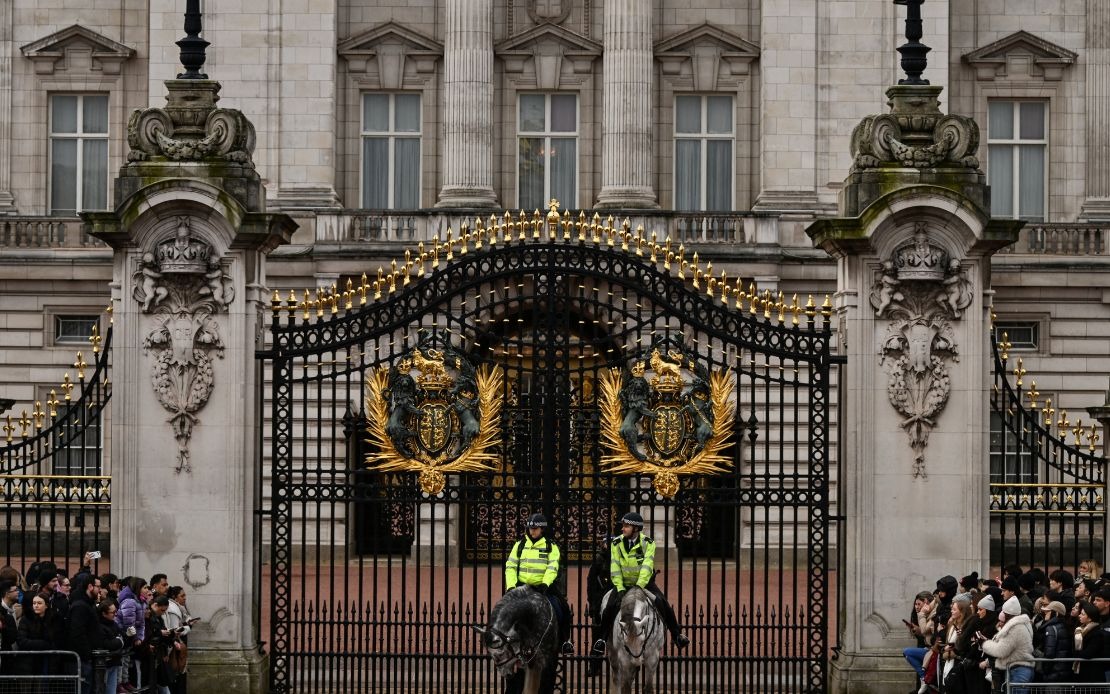
Britain's King Charles III and Queen Camilla have confirmed they will preserve Buckingham Palace's historic role as the ceremonial heart of the British monarchy following the completion of an extensive refurbishment programme, the Royal Household announced this week. Rather than converting the 775-room palace into their personal residence, the sovereign and his consort intend to use the building exclusively for official state occasions, diplomatic receptions, and formal public events that define modern royal duties.
The decision underscores a significant shift in how the contemporary monarchy balances its need for functional private living quarters with its obligation to maintain the grandeur and symbolic importance of the Crown's institutional spaces. By designating Buckingham Palace as a primarily ceremonial venue, the King's household reflects evolving attitudes toward heritage preservation and the strategic use of royal assets. The palace will function as the principal workplace of the Royal Household, serving as the administrative and operational hub for managing the monarchy's extensive public commitments across the Commonwealth.
The Buckingham Palace Reservicing Programme, an ambitious infrastructure project spanning a decade, is now in its final stages with completion approaching. This prolonged undertaking has addressed critical maintenance and modernisation challenges accumulated over decades, ensuring the Georgian masterpiece remains structurally sound and capable of hosting contemporary state functions. The scale of this restoration effort represents one of the most significant preservation projects undertaken on a British royal residence in recent memory, reflecting the complexity of maintaining such an architecturally significant and functionally demanding structure.
During the most recent financial year, the palace and other royal residences demonstrated their continued importance to the monarchy's public mission. The Royal Household disclosed that almost 97,000 guests attended 827 separate events across the royal palaces, illustrating the breadth of ceremonial and official activities that define modern royal life. These figures underscore the intensive use of palace facilities for state banquets, diplomatic receptions, investiture ceremonies, and cultural events that reinforce the monarchy's role in British national life and its engagement with international dignitaries and Commonwealth partners.
The royal couple's decision to reside elsewhere while maintaining Buckingham Palace as a ceremonial centre reflects practical considerations about modern royal households. The administrative demands of managing the palace's operation, coupled with its requirements as a functional workplace for hundreds of staff members, make it less suitable as a private family home. This arrangement allows the King and Queen to maintain more manageable personal living spaces while preserving the palace's symbolic and institutional significance. The approach has precedent in royal practice, though its formal articulation signals a deliberate modernisation of how the institution reconciles its heritage obligations with contemporary realities.
The royal household has positioned the palace's post-renovation future as an opportunity to enhance public access and strengthen its role as a national heritage asset. This commitment aligns with broader trends in how significant historic institutions balance preservation with visitor engagement and educational programming. The palace will continue welcoming members of the public during designated periods, allowing citizens and international visitors to experience the material splendour and historical continuity that the monarchy embodies. Such accessibility reinforces the democratic principle that national heritage belongs to the public, even as the Crown maintains administrative control and ceremonial primacy.
Financial support for maintaining the palace and other royal residences has been secured through the Sovereign Grant, which rose to £132.1 million for the 2025-2026 financial year. Of this substantial allocation, £67.5 million has been dedicated specifically to preserving and protecting occupied royal palaces, reflecting the significant costs associated with maintaining these institutions. The budgetary commitment demonstrates Parliament's recognition that properly preserving the Crown's official residences is essential to maintaining the institutional fabric of British governance and the monarchy's capacity to fulfil its constitutional role.
For Malaysian and Southeast Asian observers, the British monarchy's approach to heritage preservation and institutional continuity offers instructive perspectives. Commonwealth nations including Malaysia maintain complex relationships with the institution of monarchy and its ceremonial functions. The decision to prioritise ceremonial significance whilst modernising infrastructure speaks to how traditional institutions can adapt to contemporary expectations without compromising their historical essence. The investment in heritage maintenance reflects broader questions about how nations balance cultural preservation with fiscal responsibility, particularly when such preservation serves both symbolic and practical governance functions.
The Buckingham Palace renovation project exemplifies long-term institutional planning and the financial resources that hereditary monarchies commit to maintaining their material symbols of authority. The project's extended timeline, while sometimes contentious in public discourse, reflects the extraordinary complexity of restoring such a vast and historically layered structure while maintaining its operational functionality. The successful navigation of this challenge positions the palace to serve the monarchy's ceremonial needs for generations to come, securing its continued role as the symbolic centre of the British state and Commonwealth.
As the refurbishment nears completion, Buckingham Palace will emerge as a fully modernised yet historically authentic setting for the ceremonial functions that define royal life. The clear articulation that the palace will not become the King and Queen's private home resolves questions that had circulated during the renovation period. This decision provides certainty about the building's future direction and establishes a sustainable model for balancing its preservation as a national treasure with its operational demands as a working palace essential to constitutional monarchy.

