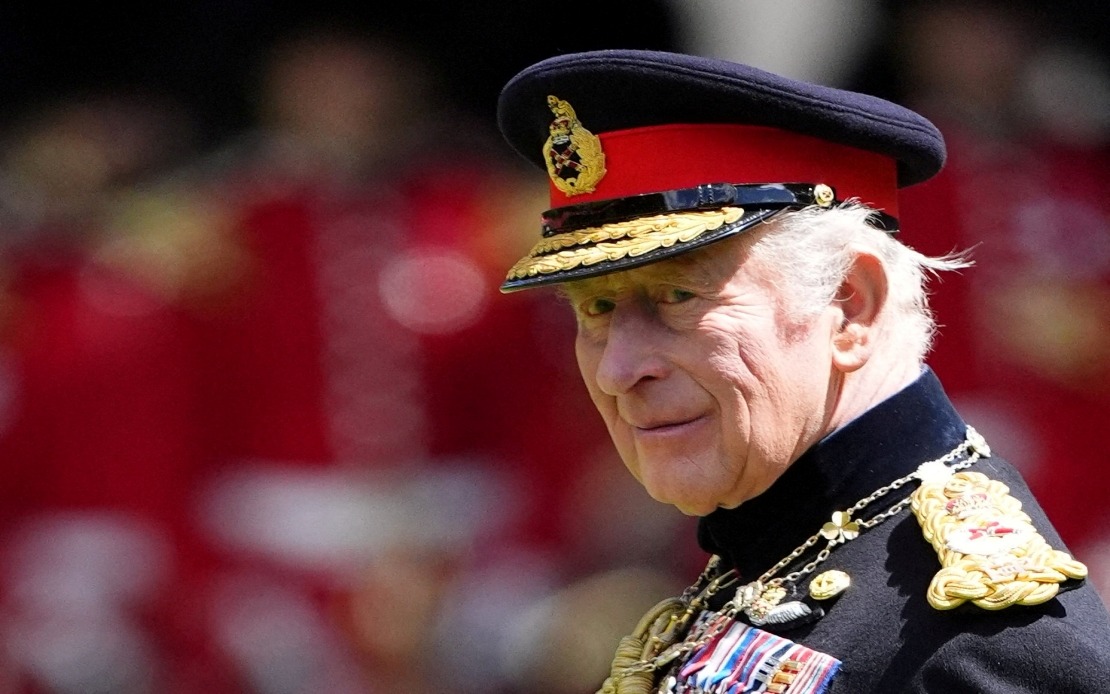
King Charles III has achieved a historic first by becoming the reigning British monarch to publicly disclose his personal tax payment, with Buckingham Palace announcing that he contributed £12.9 million to the UK exchequer during the 2024-2025 tax year. The disclosure, released Thursday alongside a comprehensive summary of royal financial sources, represents a watershed moment in the centuries-long relationship between the Crown and public accountability. While monarchs have historically enjoyed exemption from income tax, capital gains tax, and inheritance tax obligations, the voluntary payment of such duties signals a modern approach to governance and institutional legitimacy that resonates beyond Westminster.
The significance of this disclosure cannot be overstated. Prior to King Charles III, no reigning British sovereign had voluntarily published details of personal tax contributions, marking a decisive break with royal convention. During the 2023-2024 tax year, the king paid £11.7 million, bringing his cumulative tax contributions since acceding to the throne in September 2022 to more than £30 million. This trajectory demonstrates sustained financial commitment to the national treasury, translating personal wealth into tangible public contributions that underscore the modern monarchy's alignment with democratic principles and fiscal responsibility.
The king's personal income originates from multiple sources that collectively fund his private expenditure and institutional obligations. His investments, coupled with revenue derived from the privately owned Balmoral and Sandringham estates, constitute the principal revenue streams. These estates, while privately held, generate substantial commercial returns through agricultural operations, tourism, and other business ventures. The transparent disclosure of tax payments derived from such holdings reflects an understanding that even privately administered royal assets carry public significance and warrant scrutiny.
This transparency initiative represents evolution rather than revolution in royal financial governance. King Charles III previously published tax payment information during his tenure as Prince of Wales, establishing a precedent for personal fiscal disclosure within the royal family. However, the stakes fundamentally altered upon his accession to the throne. Publishing tax details as heir apparent, while noteworthy, carries different weight than doing so as the reigning sovereign. The current disclosures therefore represent a conscious amplification of the commitment to openness that the king established years earlier.
The legal framework underpinning this arrangement deserves consideration for Malaysian and Southeast Asian observers accustomed to different systems of royal governance. British monarchs possess no statutory obligation to pay income or capital gains tax, a historical exemption rooted in ancient common law principles that positioned the Crown as standing outside conventional taxation frameworks. The voluntary adoption of tax obligations beginning in the 1990s reflected a political calculation: in an era of expanding democratic participation and scrutiny, institutional legitimacy increasingly depends upon demonstrating that even the highest offices accept universal fiscal responsibilities.
James Chalmers, the keeper of the Privy Purse, articulated the philosophical underpinning of these arrangements, noting that while royal finances may appear intricate, the foundational system remains transparent and legally structured. His statement emphasised that transparency mechanisms have been refined iteratively to enable the monarch to serve with independence while maintaining public accountability. This framing suggests that complexity in royal finances stems not from opacity but from the genuine intricacy of managing both personal estates and institutional responsibilities simultaneously.
The broader significance extends beyond domestic British politics. Commonwealth nations, including Malaysia, maintain constitutional relationships with the Crown that warrant understanding of how the institution functions and finances itself. Public disclosure of tax payments by the reigning monarch provides tangible evidence that the Crown operates within frameworks similar to those governing private citizens and corporations, rather than standing perpetually above societal obligations. This demonstration of accountability becomes particularly relevant in Commonwealth contexts where republican movements periodically question the utility of maintaining monarchical institutions.
For Malaysian observers, the disclosure carries specific resonance given ongoing debates surrounding institutional transparency and public financial governance. While Malaysia's constitutional monarchy operates under distinct legal frameworks, the principle that even the highest offices can and should demonstrate fiscal responsibility resonates across different governance systems. King Charles III's willingness to disclose £12.9 million in tax payments reflects a contemporary understanding that institutional legitimacy increasingly correlates with transparency and demonstrated alignment with broader societal standards.
The timing and presentation of these figures merit attention. Buckingham Palace released the tax information alongside comprehensive documentation of royal financial sources and structures, effectively providing context that enables informed public understanding. Rather than isolated numbers, the disclosure forms part of a broader narrative about how royal finances operate, what funding mechanisms exist, and how personal resources translate into institutional obligations. This contextual approach suggests recognition that meaningful transparency requires explanation, not merely numerical revelation.
The implications for royal institutions across the Commonwealth merit consideration. As monarchies face periodic legitimacy challenges, particularly among younger voters questioning hereditary institutions, demonstrable fiscal responsibility and transparency offer concrete responses to abstract critiques. King Charles III's approach implicitly argues that modern monarchy can accommodate democratic values and contemporary standards of governmental openness without sacrificing institutional distinctiveness or constitutional function. Whether this calculated transparency ultimately strengthens or merely delays reckoning with republican arguments remains contested terrain.
The precedent established by these disclosures will likely shape expectations for future royal financial reporting. By becoming the first reigning monarch to publish personal tax payments, King Charles III has effectively established a new baseline for transparency that subsequent monarchs will struggle to reduce without inviting criticism. This ratchet effect toward greater openness reflects broader societal trends wherein institutional legitimacy increasingly depends upon demonstrable alignment with democratic principles and public accountability mechanisms that would have seemed unthinkable to previous generations of royal governance.
Looking forward, the disclosed figures also invite reflection on the relationship between private wealth and public duty. At £12.9 million annually, the king's tax contribution ranks among significant personal payments, though context matters substantially—the figure represents a fraction of total royal revenue, and the income itself derives substantially from accumulated estates and investments rather than conventional employment. Understanding these nuances becomes essential for public discourse about whether tax contributions alone constitute sufficient accountability or whether broader questions about royal financial management remain unresolved.

