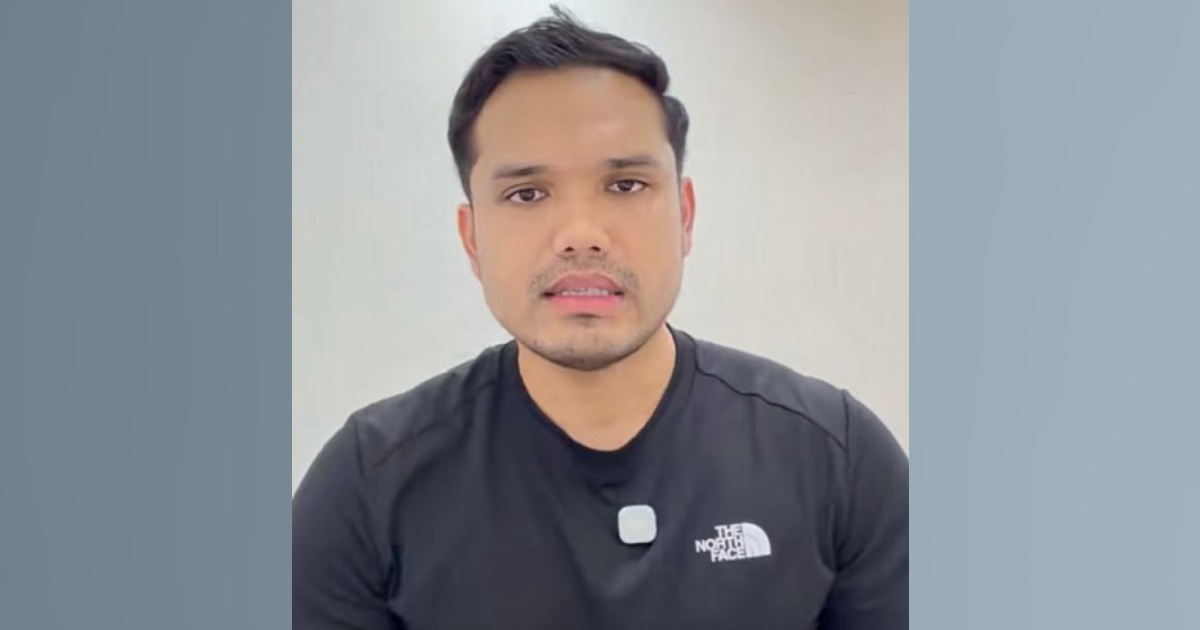
Malaysian celebrity entrepreneur and social media influencer Khairul Aming has voiced alarm after discovering that sensitive details from his personal phone bill appeared online without authorisation, raising fresh concerns about data security and privacy breaches affecting public figures in the digital age.
The leaked information surfaced through unknown channels, prompting immediate concern from the personality about how such confidential personal documents could be accessed and distributed. Khairul Aming's reaction underscores the vulnerability that even high-profile individuals face when it comes to protecting their private information in an increasingly interconnected world where data leaks have become disturbingly commonplace.
The incident represents part of a broader trend of celebrities and public figures finding themselves targets of privacy breaches. From telecommunications records to financial statements, sensitive personal information has regularly made its way onto social media platforms and messaging applications, often with significant consequences for the affected individuals. In Malaysia's entertainment and influencer ecosystem, where personalities command substantial followings and maintain considerable commercial interests, such exposures carry particular weight.
Khairul Aming's prominence in the Malaysian digital landscape—built through years of entertainment content creation and entrepreneurial ventures—means his personal data holds considerable interest to both malicious actors and curious observers. The nature of his work, which involves constant public engagement through various platforms, creates multiple potential vectors through which private information might be compromised or exploited. Telecommunications companies maintain enormous databases of customer information, and breaches at such organisations can have far-reaching consequences affecting millions of users simultaneously.
The psychological impact of such leaks extends beyond mere inconvenience. When personal billing information becomes public, individuals often experience a profound sense of violation and vulnerability. For someone like Khairul Aming, who has carefully constructed a public persona and maintains boundaries between his professional and private life, the unauthorised exposure of personal details creates a disquieting feeling of privacy erosion. This particular incident illustrates how digital boundaries, once crossed, can be extraordinarily difficult to reestablish or remedy.
From a cybersecurity perspective, the leak raises important questions about data protection standards within Malaysia's telecommunications sector. Service providers bear responsibility for safeguarding customer information through robust encryption, access controls, and regular security audits. When breaches occur, they often point to systemic vulnerabilities that may affect numerous customers beyond the initially identified victim. Industry observers have repeatedly called for stricter regulatory frameworks and compliance mechanisms to prevent such incidents.
The digital footprint left by each transaction and communication we make creates abundant opportunities for unauthorised access. Phone bills, in particular, contain sensitive information including contact patterns, service usage details, billing addresses, and payment information. When such documents become public, they can be weaponised for purposes ranging from targeted phishing schemes to social engineering attacks that exploit the personal details revealed.
For Malaysian celebrities and influencers, the challenge of maintaining privacy has intensified dramatically over the past decade. The proliferation of social media platforms, combined with increasing levels of digital literacy among potential bad actors, means that protecting personal information requires constant vigilance and sophisticated security practices. Many public figures now employ dedicated cybersecurity consultants and employ multi-layered authentication systems to protect their digital assets and personal information from unwanted exposure.
The incident also highlights the broader cultural shift regarding data privacy consciousness in Malaysia. While awareness about personal information protection has improved considerably, many individuals remain surprisingly complacent about the digital traces they leave behind. Educational initiatives regarding cybersecurity best practices, password management, and privacy settings remain crucial for protecting citizens from becoming victims of data breaches. Government agencies and telecommunications companies share responsibility for promoting such awareness.
Khairul Aming's experience serves as a cautionary reminder for other public and private individuals alike about the importance of remaining vigilant regarding personal information. Regular monitoring of accounts, prompt reporting of suspicious activities, and maintaining secure communication channels are practical steps that individuals can implement. Additionally, understanding one's rights regarding data protection under Malaysia's Personal Data Protection Act provides recourse when breaches occur.
The telecommunications industry in Southeast Asia faces mounting pressure to improve data security standards as incidents like this continue to surface. Companies that fail to adequately protect customer information face not only regulatory consequences but also significant reputational damage that can drive customers toward competitors. For Malaysian consumers choosing service providers, data security track records should factor prominently into decision-making processes.
Moving forward, this incident underscores the necessity for multifaceted approaches to data protection involving cooperation between telecommunications providers, regulatory authorities, cybersecurity specialists, and individual users themselves. Only through comprehensive strategies addressing technical vulnerabilities, human factors, and systemic gaps can Malaysia hope to reduce the frequency and severity of privacy breaches affecting its citizens.

