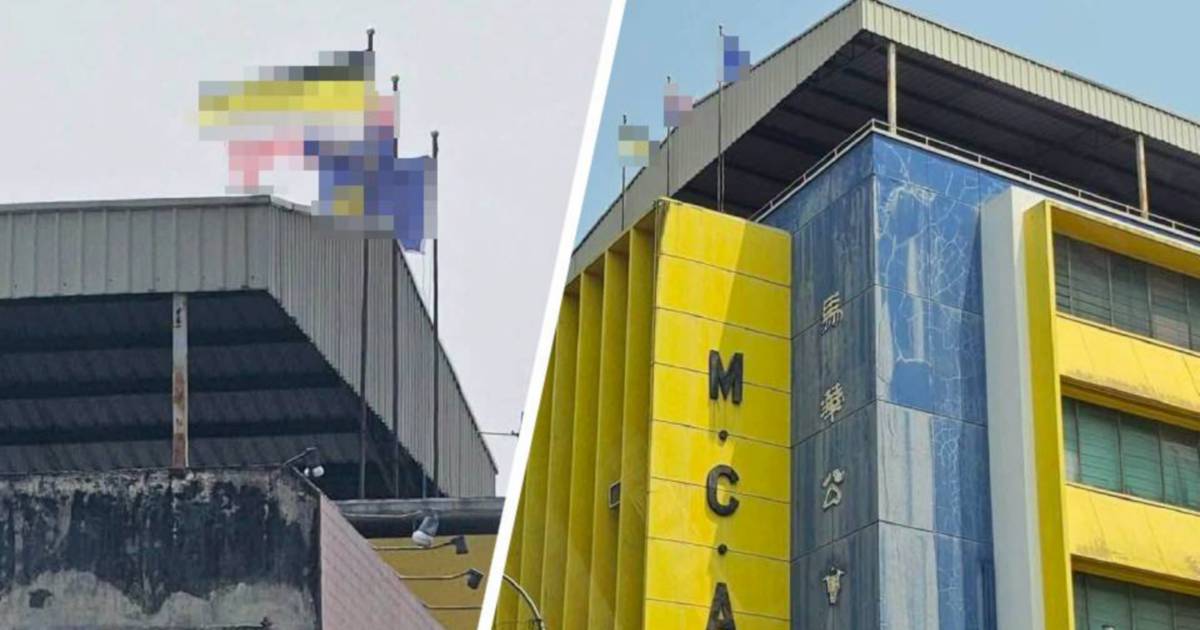
The Kepong Member of Parliament has publicly questioned whether Malaysia's police force is applying equal standards when investigating breaches related to the improper display of the Jalur Gemilang, the national flag. The government backbencher's intervention raises broader concerns about the consistency and impartiality of law enforcement in high-profile cases that touch on national symbols and patriotic sentiments.
The call for clarification directed at Inspector-General of Police Tan Sri Mohd Khalid Ismail centres on allegations that investigations into Jalur Gemilang display errors have not followed a uniform approach. Such inconsistencies in police investigations can undermine public confidence in the institutions responsible for enforcing the law and protecting national symbols, particularly when cases appear to receive differential treatment based on factors unrelated to the actual violations.
National flag protocol holds significant weight in Malaysia's governance and social fabric. The Jalur Gemilang, with its crescent and star emblems and yellow-red-blue colour scheme, represents the federation and its values. Regulations governing its display are technically matters of law, though violations are typically treated as administrative infractions rather than serious crimes. When police investigations into such violations appear inconsistent, questions inevitably arise about whether enforcement decisions reflect political considerations or selective application of rules.
For Malaysian readers, this issue carries relevance beyond mere procedural concerns. Public institutions must demonstrate that rules are enforced fairly and predictably, regardless of who commits the infraction or what organisational or political context surrounds it. When citizens observe that similar violations receive different investigative treatment, it erodes trust in institutional neutrality and suggests that the application of law depends on factors other than the facts of the case itself.
The Kepong MP's demand for transparency from the Inspector-General reflects a broader parliamentary responsibility to scrutinise police operations and ensure they serve the nation equitably. Government backbenchers play a crucial oversight role, particularly when they raise concerns about law enforcement practices that may disadvantage certain groups or create the perception of partisan application. By bringing this matter into public discourse, the MP has initiated what should be a serious examination of police procedures.
Investigations into Jalur Gemilang display errors might appear straightforward in principle—either the flag was displayed according to regulations or it was not. However, the manner in which police initiate, conduct, and conclude such investigations matters enormously. Factors such as the speed of response, the intensity of scrutiny, the involvement of senior officers, and the determination of whether to recommend prosecution can vary significantly, and these variations may reflect inconsistent application of investigative standards.
For regional observers, Malaysia's handling of national symbol regulations offers instructive lessons about how Southeast Asian democracies balance respect for national icons with principles of equal treatment under law. Neighbouring countries also grapple with similar tensions. When enforcement of patriotic regulations appears selective or driven by considerations other than genuine respect for national symbols, it can paradoxically undermine the very patriotic values such regulations aim to protect.
The Inspector-General's response to this parliamentary query will be closely watched. A credible explanation would address how the police force determines which violations warrant investigation, what standards guide investigative intensity, and what mechanisms ensure that similar cases are treated similarly. Conversely, if no satisfactory explanation emerges, the credibility gap between public expectations of institutional fairness and the reality of enforcement practices could widen, with consequences for citizen confidence in law enforcement more broadly.
This incident also highlights the importance of written, codified investigative guidelines that govern police procedures in flag-related cases. Such guidelines would establish clear criteria for when investigations should be initiated, what evidence should trigger different levels of response, and how cases should progress from complaint to resolution. Without transparent frameworks, the appearance of inconsistency becomes almost inevitable, regardless of actual investigative practices.
Moving forward, the police force would benefit from auditing its recent Jalur Gemilang cases to demonstrate that investigative decisions have been consistent with documented procedures rather than influenced by extraneous factors. Public accountability in matters touching on national symbols is particularly important, since these symbols represent not individual institutions but the nation itself. Citizens have a legitimate interest in ensuring that rules protecting national symbols are enforced impartially.
The Kepong MP's intervention serves a vital democratic function by converting private concerns into public scrutiny. This question deserves a substantive, detailed response that explains the investigative approach to flag display violations and demonstrates how the police force ensures consistency across all such cases. Only through such transparency can public confidence in institutional fairness be restored and maintained.

