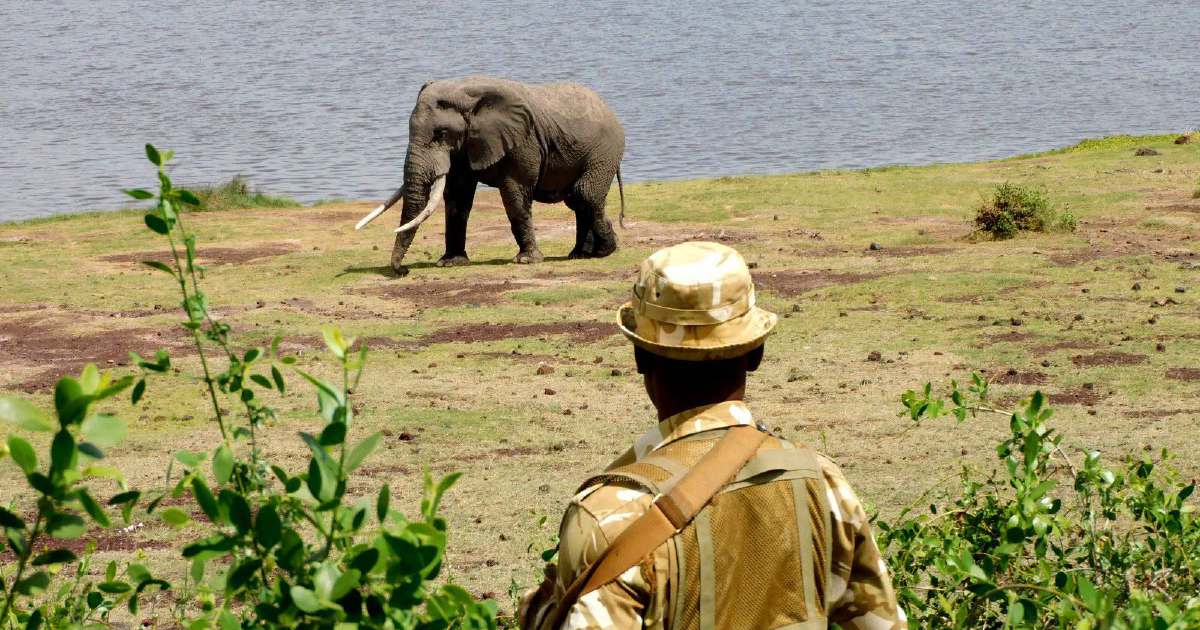
The Kenya Wildlife Service has formally opened an inquiry into the sudden and unexplained deaths of 15 elephants recorded across Amboseli National Park over the course of a single month, marking an alarming development for one of East Africa's most important elephant conservation zones. Officials announced the investigation through the service on Tuesday, signalling that the mysterious mortalities have triggered sufficient concern to warrant a structured official response from the country's primary wildlife management authority.
Amboseli, situated in south-central Kenya near the Tanzanian border and home to one of Africa's longest-running elephant research programmes, represents a critical habitat for the species. The park's elephant population has become emblematic of broader wildlife conservation efforts across Kenya and the wider East African region, making the sudden loss of 15 individuals within such a compressed timeframe particularly significant from both ecological and scientific perspectives. The concentration of deaths in a single month differentiates this incident from normal mortality patterns and suggests the possibility of a common causative factor rather than isolated incidents.
The unexplained nature of these deaths has intensified scrutiny among wildlife experts and conservation organisations. Without immediate disclosure of preliminary findings, speculation has naturally focused on several potential explanations commonly associated with elephant mortality in African parks, ranging from disease outbreaks and toxic exposure to environmental stressors. The absence of clear diagnostic information represents a critical gap that the ongoing investigation must address, as understanding the underlying cause will prove essential for implementing preventative measures and protecting the remaining elephant population.
For Malaysian readers and Southeast Asian conservation advocates, this development carries particular relevance given the region's own escalating elephant conservation challenges. Malaysia's Asian elephant population faces mounting pressures from habitat fragmentation and human-wildlife conflict, issues that intersect with broader questions about wildlife disease surveillance and environmental monitoring that directly apply to the Kenyan situation. The approach Kenya adopts in responding to this crisis may offer instructive lessons for regional wildlife authorities grappling with similar management complexities.
The timing of this investigation arrives amid broader concerns about elephant populations throughout Kenya, where numbers have fluctuated considerably across different protected areas. Amboseli specifically hosts a studied and relatively well-documented elephant population, meaning that researchers possess baseline data and historical records that could facilitate identification of anomalies or deviations from expected mortality rates. This comparative advantage may enable investigators to construct a more comprehensive understanding of what triggered this unusual cluster of deaths.
Conservationists have emphasised that the loss of 15 elephants within weeks represents a significant impact on population dynamics and social structures within Amboseli's elephant herds. Elephants demonstrate complex social organisation and extended family groupings; the death of multiple individuals inevitably disrupts these established bonds and may generate cascading effects on survivor behaviour and herd cohesion. Understanding these impacts requires not only determining the immediate cause of mortality but also assessing the broader ecological consequences rippling through the park's elephant community.
The investigation's scope will likely encompass multiple investigative strands, potentially including necropsy examinations of deceased animals if carcasses remain accessible, environmental sampling to detect toxins or pathogens, examination of grazing conditions and water sources, and interviews with park staff and researchers who may have observed anomalous circumstances preceding the deaths. The interdisciplinary nature of such inquiries typically requires collaboration between veterinary specialists, wildlife biologists, environmental scientists, and epidemiologists, reflecting the complexity of determining cause of death in large wildlife populations.
Regional and international conservation bodies will almost certainly monitor the investigation's progression closely, as Amboseli functions as both a national and transboundary ecological asset. The park's significance extends beyond Kenya's borders, intersecting with Tanzania's ecosystem management and contributing to broader conservation strategies for the greater ecosystem. News of mysterious wildlife mortality invariably attracts attention from global conservation networks, which may offer technical assistance or comparative expertise from similar incidents documented elsewhere across the continent.
The incident underscores the ongoing vulnerability of African wildlife populations to both understood and emerging environmental threats. Climate variability, altered disease ecology, and environmental contamination represent interconnected challenges that parks and wildlife authorities must continuously navigate. Amboseli's relative accessibility and established research infrastructure position it advantageously for generating reliable data about these threats, potentially yielding insights applicable to conservation efforts across Kenya and beyond.
Looking forward, the investigation's conclusions will inform wildlife management protocols not merely for Amboseli but potentially for Kenya's broader elephant conservation strategy. Should the inquiry identify preventable causative factors, implementing corrective measures could protect populations across multiple parks and reserves. Conversely, if the deaths result from naturally occurring phenomena, the findings may reshape expectations about normal population dynamics and baseline mortality rates, influencing how conservationists interpret future population fluctuations. The Kenya Wildlife Service's investigation therefore carries implications extending well beyond the immediate loss of 15 individuals, potentially shaping wildlife governance responses across the region.

