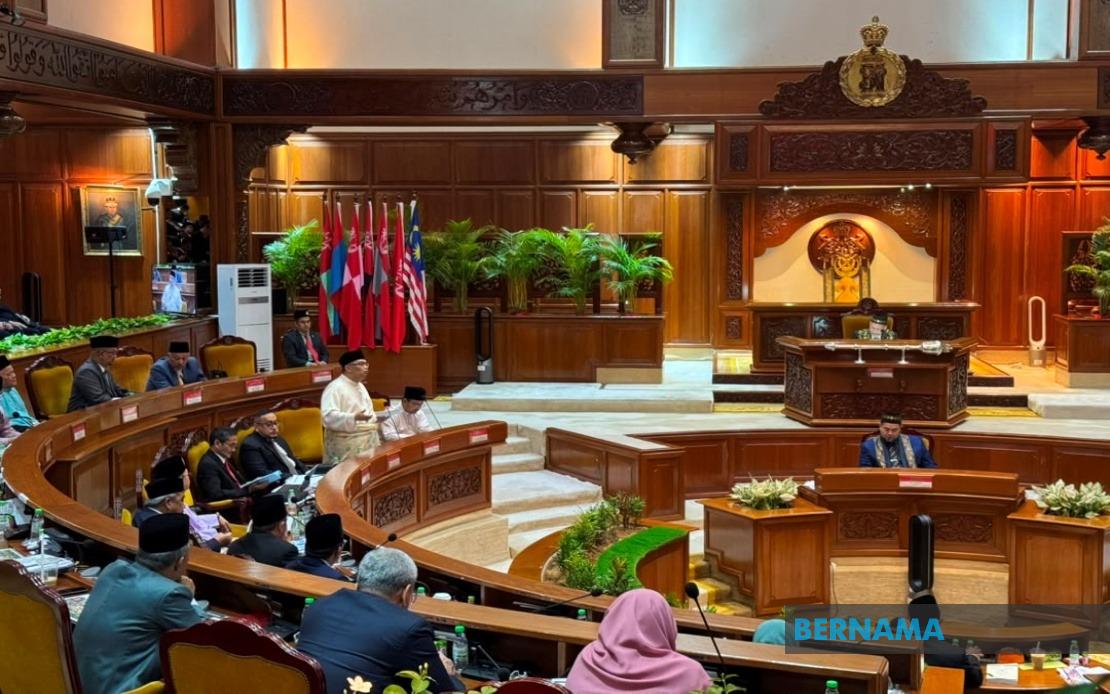
Kelantan's state legislature has unanimously endorsed the Syariah Criminal Offences (Kelantan) Bill 2026, marking a significant overhaul of the state's Islamic criminal law framework. The comprehensive legislation, comprising nine parts and 62 clauses, represents an attempt to modernise enforcement mechanisms while maintaining stricter penalties for serious religious violations. According to Kelantan Deputy Menteri Besar Datuk Dr Mohamed Fadzli Hassan, the Bill restructures the existing legal architecture to be more coherent, transparent, and enforceable across the state's Islamic judicial system.
One of the Bill's cornerstone reforms centres on restorative sentencing, a framework designed to rehabilitate offenders through community engagement rather than purely punitive measures. Under this system, individuals sentenced to community service must complete the full duration of their obligations within a twelve-month period. This approach reflects a broader global trend in criminal justice toward rehabilitation, though its application within Syariah law contexts remains relatively uncommon in Malaysia. For Kelantan, the inclusion of restorative mechanisms suggests an intention to balance religious compliance enforcement with practical rehabilitation objectives.
The legislation introduces provisions allowing certain offences to become compoundable, meaning they can be settled without formal prosecution under specific conditions. The Sultan of Kelantan will possess authority to designate which offences fall into this category through official gazette orders, along with establishing the procedures and documentation requirements governing such settlements. This discretionary power concentrated in the palace reflects Kelantan's traditional governance structure and grants religious authorities flexibility in applying the law according to circumstances and community interests.
Penalty escalation constitutes another significant dimension of the Bill, with enhanced whipping sentences targeting severe religious transgressions. Offences targeted for elevated penalties include attempted apostasy, parental negligence in maintaining a child's Islamic education, violations of modesty standards, alcohol consumption, gambling, illicit sexual relationships, and out-of-wedlock pregnancy. By prioritising corporal punishment for these categories, the legislation signals heightened state concern regarding moral discipline and religious adherence among Kelantan's Muslim population.
The Bill introduces six new criminal provisions addressing previously uncodified or inadequately regulated conduct. These include neglecting obligatory prayers, violations related to guarding private and non-private body parts, and offences concerning protection of intellectual integrity from corrupting influences. These additions reflect evolving interpretations of Islamic jurisprudence within Kelantan's legal system and represent an effort to comprehensively regulate conduct considered morally or religiously problematic. The specificity of these new clauses demonstrates a detailed legislative approach to defining religious obligations as enforceable legal duties.
Significant revisions to existing provisions restructure how specific offences are categorised and prosecuted. The Bill repeals and substantially rewrites Section 11 of the 2019 Kelantan Syariah Criminal Code Enactment concerning worship place desecration, replacing it with updated language addressing disturbances to Muslim places of worship. Similarly, historical provisions regarding sodomy have been replaced with the new framework covering body part protection obligations, broadening the legal scope beyond specific sexual acts to encompass modesty requirements more generally.
For Malaysian readers and regional observers, this legislative development carries implications beyond Kelantan's borders. As one of Malaysia's more religiously conservative states, Kelantan's approaches to Syariah law enforcement frequently influence discourse and policy considerations elsewhere. The Bill's combination of restorative mechanisms and heightened penalties demonstrates attempts to reconcile modern criminal justice principles with traditional Islamic jurisprudence, a balance that other states may scrutinise as a potential model or cautionary example.
The legislative framework's emphasis on compounding mechanisms and Sultan discretion reflects Kelantan's particular constitutional arrangement, where the palace maintains substantial influence over Islamic affairs. This centralised authority structure differs from approaches in other Malaysian states and raises questions about consistency in enforcement and accessibility to alternative dispute resolution for accused individuals. The concentration of compounding authority in palace-issued orders creates potential variability in how similar cases are handled depending on administrative decisions made through non-transparent processes.
From a practical enforcement perspective, the Bill's provisions regarding obligatory prayers and intellectual protection represent notably intrusive regulatory territory. Criminalising prayer neglect and establishing legal standards for intellectual purity represent expansive state involvement in personal religious practice and thought. Implementation challenges will likely arise regarding evidence gathering, witness testimony, and distinguishing between technical violations and meaningful transgressions warranting prosecution.
The comprehensive restructuring demonstrates Kelantan's continued investment in formalising Islamic law through detailed statutory codes rather than relying solely on customary or judicial interpretation. This codification approach provides clarity and predictability but also potentially reduces flexibility in responding to contextual circumstances. The 62-clause structure, while detailed, may create rigidity that complicates real-world application to diverse situations encountered in enforcement.
Regional implications merit consideration, particularly regarding how Kelantan's framework compares with neighbouring Terengganu's Syariah law regime and approaches adopted in other Muslim-majority Southeast Asian jurisdictions. The Bill's combination of restorative sentencing with enhanced corporal punishment reflects an attempted middle path that may face criticism from multiple perspectives—those seeking more rehabilitative approaches and those prioritising strict religious enforcement.
For civil society organisations and legal practitioners, the Bill's passage without recorded dissent obscures potential concerns or implementation ambiguities. The unanimity suggests political consensus around religious law strengthening, though questions persist regarding the Bill's actual operational impact on communities and whether the expanded criminal scope will see proportionate enforcement resources. Monitoring post-implementation enforcement patterns will prove essential for understanding whether the legislation achieves its stated objectives or encounters practical impediments.
Looking forward, the Bill establishes a template that could influence Islamic criminal law development throughout Malaysia's diverse Syariah jurisdictions. Its specific provisions, penalty frameworks, and enforcement mechanisms may provide reference points for other states considering similar reforms, making Kelantan's legislative trajectory relevant beyond its state borders and worthy of sustained attention from policymakers, legal scholars, and human rights observers across the region.

