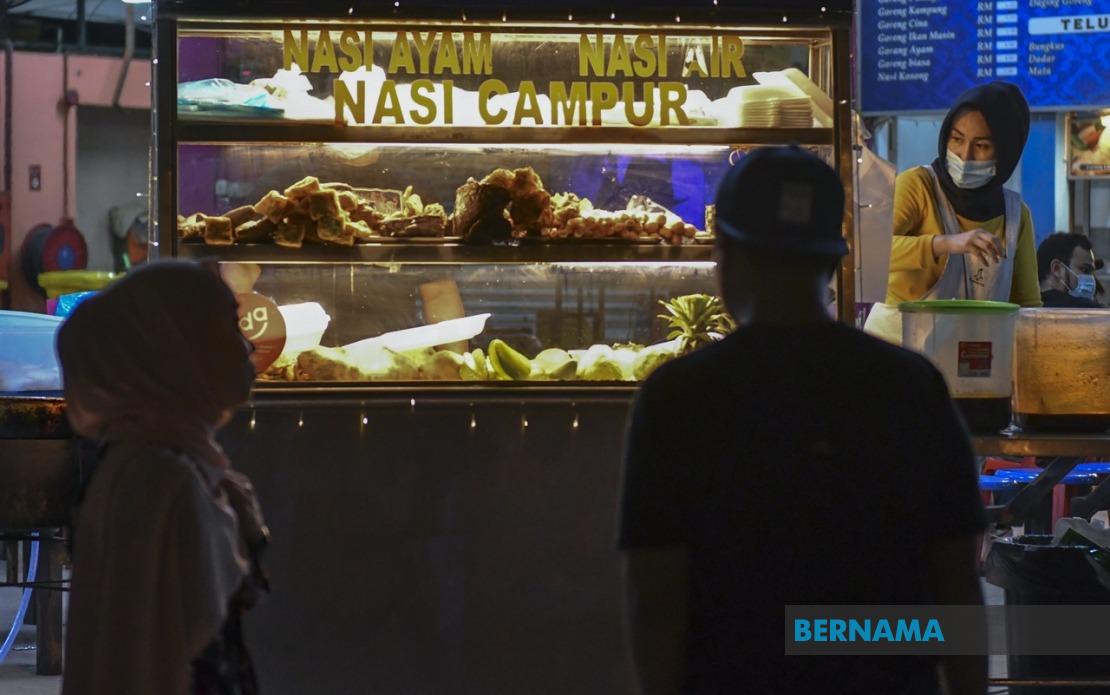
The Kelantan state government has committed to ramping up its inspection and monitoring regime for food establishments across the state following mounting public concern about whether operators are adhering to halal standards. The announcement comes after allegations regarding halal certification surfaced on social media, prompting widespread debate among residents and raising questions about regulatory oversight in the sector. State Islamic Development, Dakwah, Information and Regional Relations Committee chairman Mohd Asri Mat Daud indicated that authorities are treating the matter seriously and undertaking preliminary inquiries to gather additional details before proceeding with any formal enforcement action.
The epicentre of the controversy stemmed from a Facebook user's disclosure that several food premises operated by non-Muslim entrepreneurs and serving Muslim customers lacked proper halal certification or were not compliant with Islamic dietary requirements. This revelation triggered considerable online discussion and highlighted existing anxieties among Muslim consumers about verifying the halal status of establishments they patronise. Despite the viral nature of the allegations, Mohd Asri clarified that the state government has not yet received official complaints through formal channels, indicating that much of the concern remains confined to social media discourse rather than documented reports.
Responsibility for enforcing halal compliance rests primarily with the Kelantan Islamic Religious Affairs Department, though Mohd Asri's office will serve as a coordinating body to facilitate investigations and ensure consistent application of regulatory standards. This institutional arrangement reflects the layered approach to halal governance in Malaysia, where oversight involves multiple agencies working in tandem. The committee chairman stressed that should evidence of violations emerge, the frequency and rigour of inspections will intensify considerably. This preventative stance reflects official recognition that allowing suspected non-compliance to continue unchecked could erode consumer trust and enable the problem to spread throughout the state's food industry.
Mohd Asri articulated a broader message directed at food business operators, cautioning them against prioritising commercial profit at the expense of shariah compliance. He warned that abandoning halal standards—whether intentionally or through negligence—damages the confidence that Muslim consumers place in the food supply chain. This appeal to business ethics underscores an important tension in Malaysia's food sector: the commercial incentives that attract non-Muslim entrepreneurs into the food service industry must be balanced against religious and regulatory obligations. The implicit suggestion is that some operators may have viewed halal compliance as an optional cost rather than a fundamental requirement.
Equally, the committee chairman appealed to the broader public to exercise greater vigilance when selecting where to eat, urging consumers to verify the halal credentials of premises before making purchasing decisions. This call for heightened consumer awareness reflects a shift in responsibility—acknowledging that government inspection alone cannot guarantee compliance, and that informed purchasing decisions by Muslim customers create market-based incentives for operators to maintain standards. In the digital age, where information about businesses spreads rapidly through social media, consumer scrutiny has become an informal regulatory mechanism that complements official oversight.
A significant element of the government's response involves promoting Malaysia's formal Halal Certification scheme as a solution to verification challenges. Mohd Asri announced that the state administration aims to process certification applications within thirty days, contingent on applicants demonstrating operational readiness and compliance with established guidelines. This accelerated timeline appears designed to remove bureaucratic barriers that might discourage operators from seeking official certification. By streamlining the approval process, authorities hope to incentivise voluntary participation in the formal certification regime, which would provide Muslim consumers with reliable, documented assurance of compliance.
The Kelantan situation reflects broader tensions within Malaysia's diverse, multi-faith food industry. Non-Muslim entrepreneurs represent a significant proportion of food service operators, particularly in categories such as casual dining and food courts, creating inherent complexity in halal governance. The requirement that non-Muslim operators adhere to halal standards, while reasonable from a consumer protection perspective, generates operational challenges and potential for misunderstanding or non-compliance. Cases like the Kelantan allegations suggest that existing enforcement mechanisms may have gaps, whether through insufficient inspection capacity, unclear communication of requirements, or inadequate penalties for violations.
From a regional perspective, Kelantan's experience has implications for other Malaysian states and Southeast Asian nations with significant Muslim populations. As consumer awareness of halal standards increases and social media amplifies allegations of non-compliance, governments face mounting pressure to demonstrate effective oversight. The challenge intensifies in contexts where the food industry involves many small operators with limited resources or technical expertise. Kelantan's response—combining increased inspections with accelerated certification processes and consumer education—represents a pragmatic, multi-layered approach that other jurisdictions may observe and potentially emulate.
The controversy also highlights the role of social media in contemporary food governance. What might previously have remained a localised concern now becomes a state-wide, potentially national issue within hours of posting. This dynamic compels government agencies to respond swiftly and demonstrate competence, even when allegations lack formal substantiation. While social media vigilance can drive positive accountability, it also creates risks of misunderstanding, disproportionate reactions, or reputational damage to businesses based on incomplete information. Authorities must balance responsiveness to public concern with measured, evidence-based enforcement.
Looking ahead, Kelantan's experience suggests that halal compliance will remain an area of regulatory focus across Malaysia. As the Muslim consumer base grows more sophisticated and assertive about standards, and as social media continues to democratise information flow, the expectations placed on operators and regulators will only intensify. The state government's commitment to heightened monitoring, streamlined certification, and public engagement represents an acknowledgment that managing halal standards requires ongoing, adaptive efforts rather than one-time interventions. Success will depend on whether increased enforcement capacity translates into consistent improvements in on-ground compliance, and whether the certification incentive scheme attracts sufficient voluntary participation to raise overall standards across the food sector.

